

Filmtools
Filmmakers go-to destination for pre-production, production & post production equipment!
Shop NowSony Semiconductor Solutions Corporation (Sony) announced the upcoming release of the LYTIA 720, an approximately 50-effective megapixel image sensor for mobile applications.

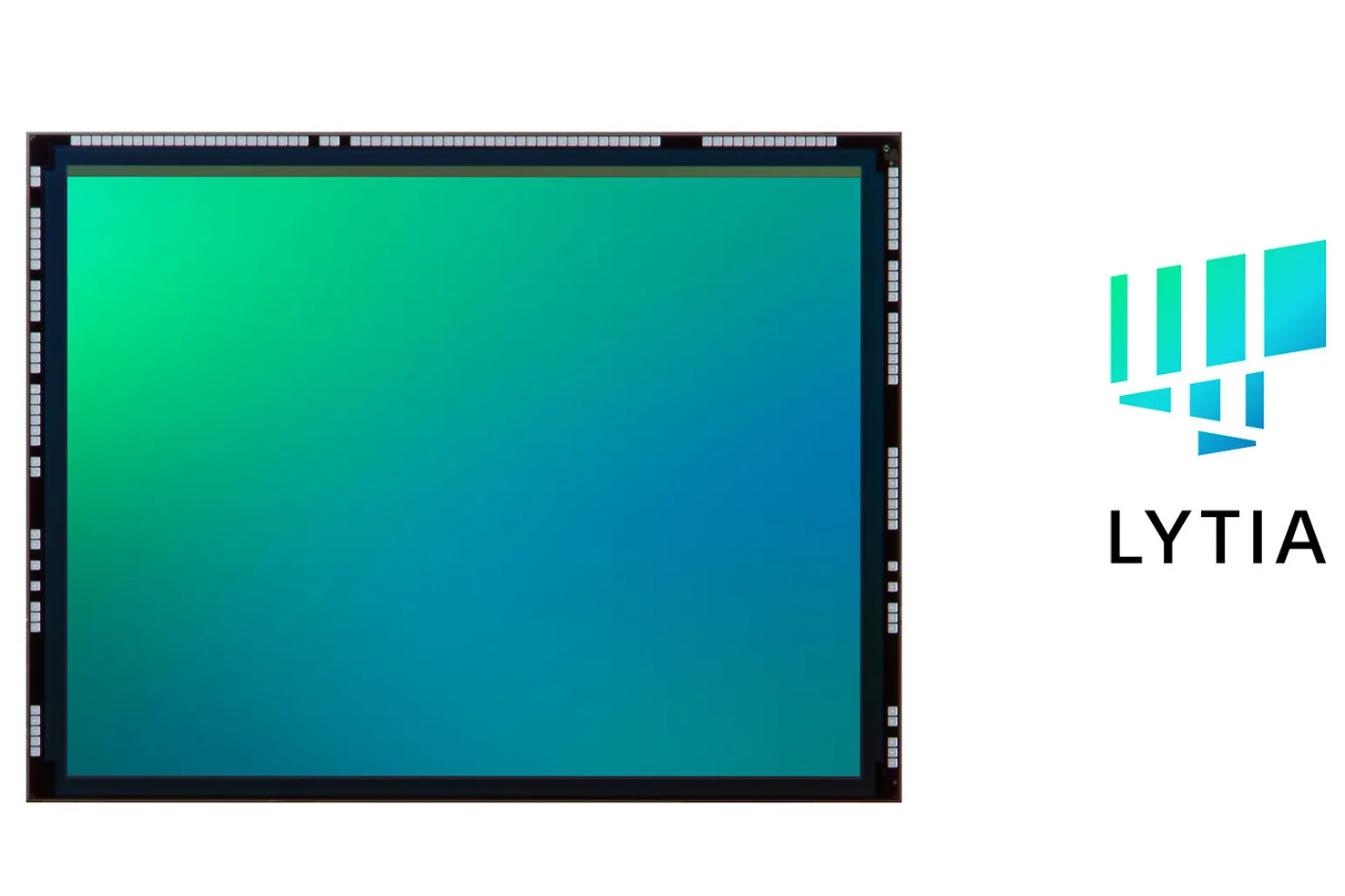 Designed for use on the main camera of mobile devices, the new sensor delivers industry-leading low-light performance and supports 4K 60 fps HDR video recording.
The new sensor inherits technologies developed for Sony’s LYTIA high-end series. Sony’s proprietary low-noise circuit technology reduces random noise in dark environments by approximately 50% compared to a conventional product (compared with LYTIA 700, a 1/1.56-type approximately 50-effective megapixel CMOS image sensor) while achieving a dynamic range of 100 dB through HDR compositing technology. This contributes, Sony says, “to high-quality still images and videos in dark environments, high-contrast scenes, and a wide range of other shooting conditions. By optimizing AD conversion circuits, the new sensor supports 4K 60 fps video recording with all-pixel autofocus while HDR is enabled.”
The new sensor offers high imaging performance in a 1/1.56-type size, which is being widely adopted in the smartphone market. Sony, which hinted a while ago that 50MP sensors should be the base for smartphone cameras, aims to deliver high-quality imaging experiences to more users.
The new LYTIA sensor uses proprietary Ultra High Conversion Gain (UHCG) circuit technology to deliver industry-leading low-light performance. It achieves high charge-to-voltage conversion efficiency that suppresses image grain caused by noise in dark environments and it also reduces random noise by approximately 50% delivering the industry- leading low-light performance and high-quality imaging with reduced noise in dark scenes.
The sensor features an optimized circuit design that reduces the time required for AD conversion, enabling 4K 60 fps HDR video recording with all-pixel autofocus while lowering sensor power consumption. This is the first 1/1.56-type LYTIA product with a 1.0 μm pixel size to support this feature. Additionally, using single-frame HDR technology for 4K 60 fps HDR video recording suppresses motion artifacts while maintaining sufficient exposure time for low-noise imaging.
The sensor also features Hybrid Frame-HDR (HF-HDR) technology that combines Dual Conversion Gain-HDR (DCG-HDR) with frames recorded at short exposures. DCG-HDR imaging data, which covers low- to medium-brightness ranges with a single exposure, is merged with high-brightness range imaging data that was obtained through a short exposure in post-processing thereby expanding the dynamic range. HF-HDR technology, combined with UHCG circuit technology, delivers a dynamic range of 100 dB. This enables imaging that more closely resembles what the human eye perceives, with reduced loss of detail in shadows and highlight blowouts even in high-contrast scenes.