

Filmtools
Filmmakers go-to destination for pre-production, production & post production equipment!
Shop NowSony announced the upcoming release of the LYTIA 610, a 1/2-type approximately 64-effective megapixel CMOS image sensor with the RB2×2 On Chip Lens (OCL) pixel structure.

 The Lytia 610 sensor is the industry’s first 1/2-type CMOS sensor for mobile applications with this pixel structure to be mass produced.
Sony Semiconductor Solutions Corporation (Sony) announced, recently, the upcoming release of the Lytia 610, a 1/2-type approximately 64-effective megapixel CMOS image sensor with the RB2×2 On Chip Lens (OCL) pixel structure. This is the industry’s first product with this pixel structure to be mass produced.
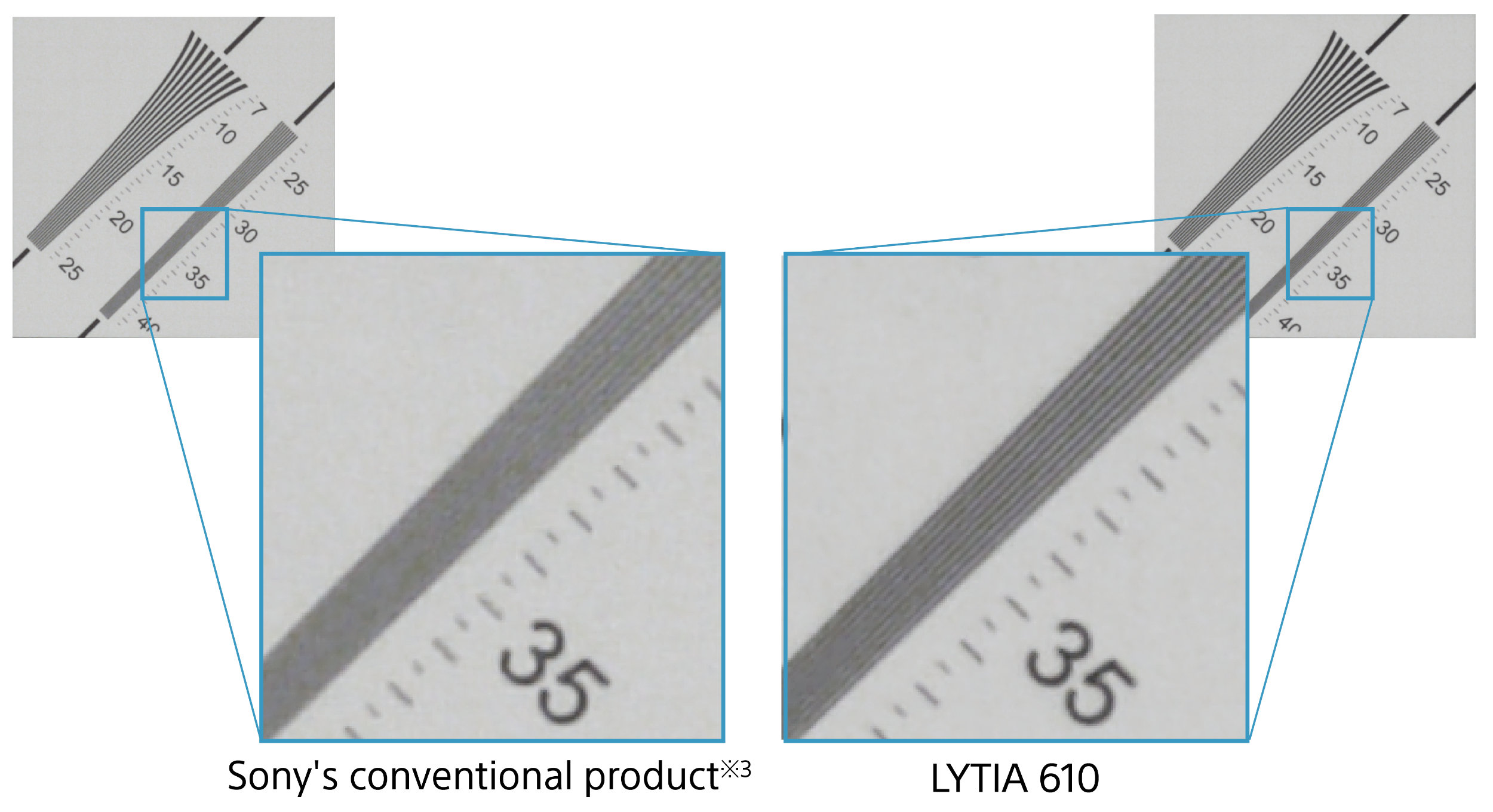
The new sensor features industry’s first RB2×2 OCL pixel structure for both high resolution and AF performance. By combining the RB2×2 OCL pixel structure with dedicated array conversion processing (remosaicing) optimized for this structure, the new product achieves both improved resolution and excellent autofocusing (AF) performance at the same time. According to Sony, it offers more than 20% improvement in spatial resolution compared to Sony’s conventional product with the same pixel size, allowing telephoto cameras to capture subjects with fine detail.
 The improved readout speed also enables 4K 120 fps video recording for the first time on Sony’s 1/2-type sensor. This reduces the performance gap with the large sensors used on main cameras and suppresses variations in image quality across multi-lens camera systems, enabling a more uniform shooting experience. This design makes it possible to record smooth videos of fast-moving subjects and superior-quality slow-motion videos. It also supports 4K 60 fps HDR video recording, which is ideal for capturing high-contrast scenes.
These improvements in video performance reduce differences in image quality and appearance when switching between main and sub cameras, enabling smooth transitions across multi-lens camera systems for seamless video shooting experiences.
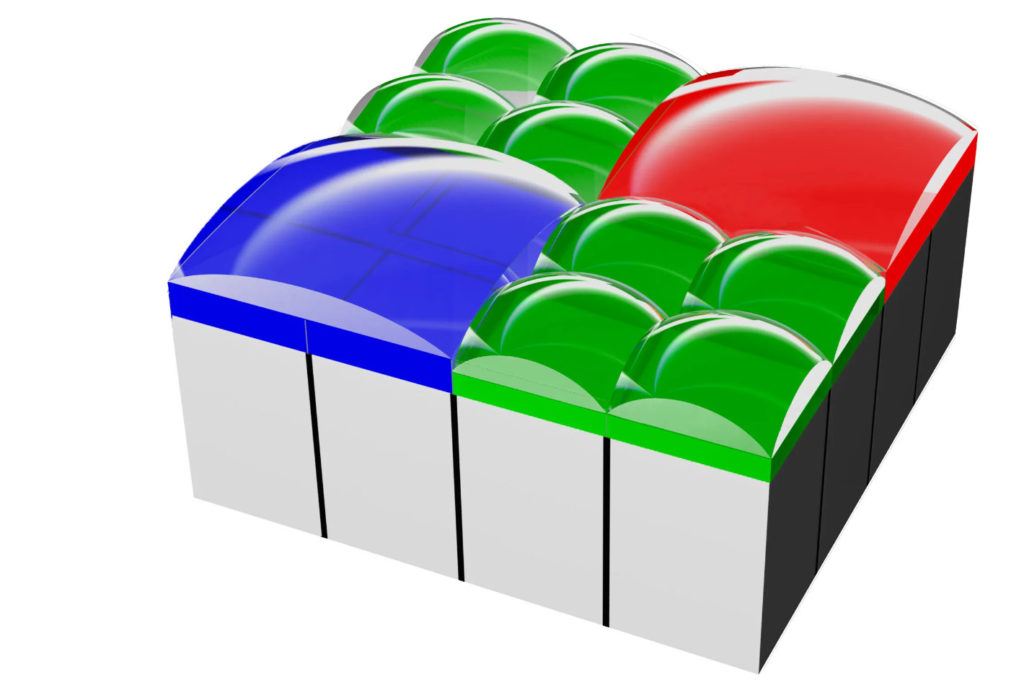
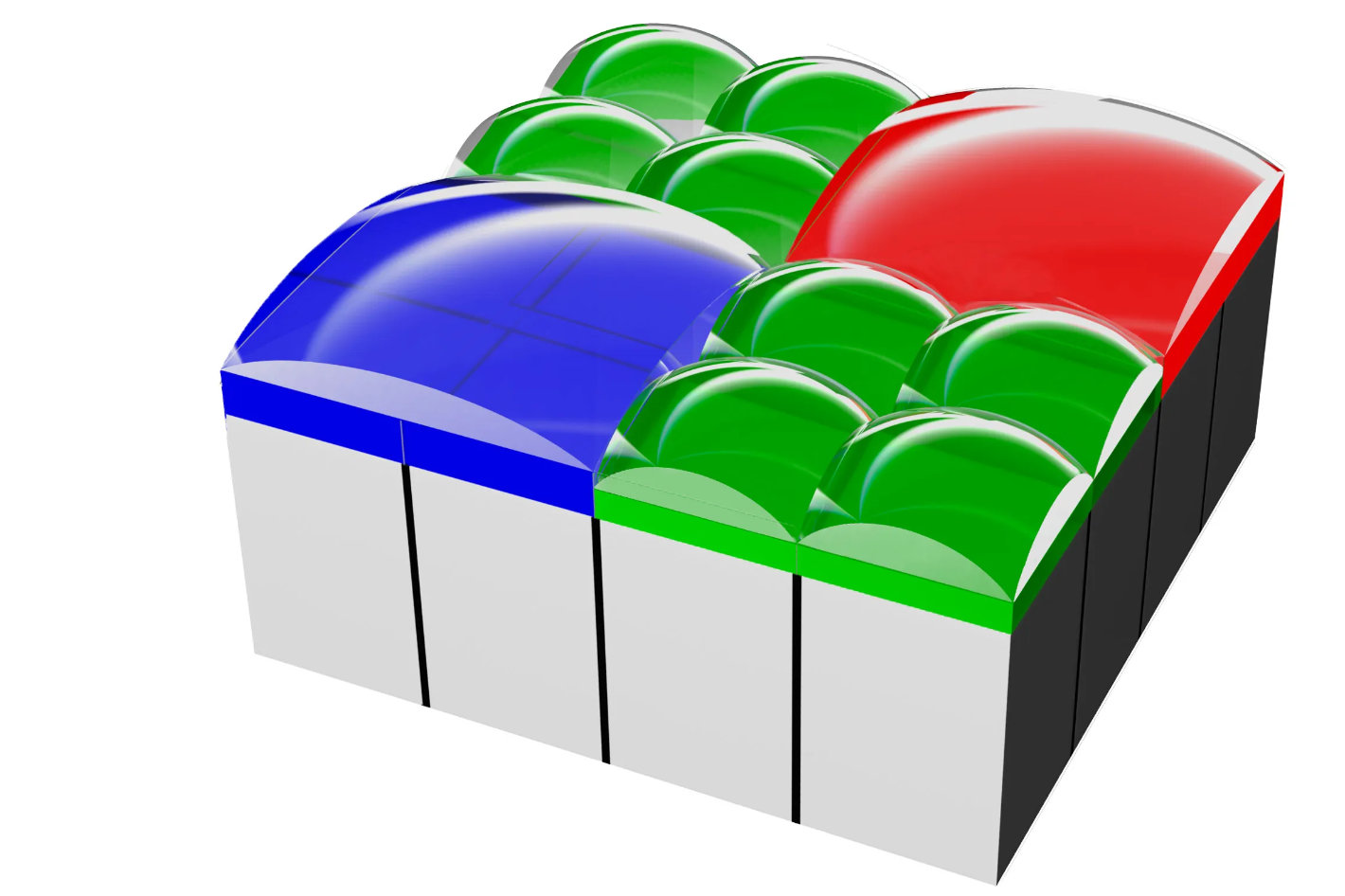 Sony’s technology for designing an optimal balance of lenses with different sizes and curvatures on a single surface, together with its high-precision manufacturing technologies, has enabled the coexistence of two types of OCL structures within a Quad Bayer array sensor. Specifically, G (green) pixels, which contribute to better image definition, utilize the 1×1 OCL structure with superior resolution performance. The 2×2 OCL structure, where four pixels share a single lens, is used on R (red) and B (blue) pixels to serve as phase difference detection pixels.
Furthermore, a new dedicated remosaicing (array conversion) processing algorithm was developed to further enhance the imaging performance of this unique pixel array. The optimized pixel structure and signal processing together deliver more than 20% improvement in spatial resolution compared to the conventional product of the same pixel size, while maintaining superb AF performance. The “conventional product used as reference is the Lytia 601 mobile CMOS image sensor with a 2×2 OCL construction and pixel size of 0.7 µm.