

Filmtools
Filmmakers go-to destination for pre-production, production & post production equipment!
Shop NowNot just DJI — drones, cameras, gimbals, routers, robots and more

Recently, I’ve reviewed some nice cameras and microphones from DJI, and I’ll be reviewing more soon, but this is only possible because I don’t live in the USA. So… why can’t you buy any new DJI tech in the US, what other companies are affected, and what’s going to happen next?
2021: Huawei banned
It might feel like DJI are the only company affected, but Huawei and ZTE, two Chinese telecommunications companies, were banned (under the Biden administration) from selling their products in the US way back in 2021 over national security concerns. Other countries, including Australia and the UK, followed up with similar bans. Of course, we’ll never know the behind-the-scenes intel which led to this or any other decision, but it’s understandable that governments (and their intelligence agencies) might be a little cagey when it comes to telecommunications infrastructure.
As these companies didn’t have a huge foothold in consumer tech, it didn’t affect the purchasing plans of most people.
2024: The Countering CCP Drones Act
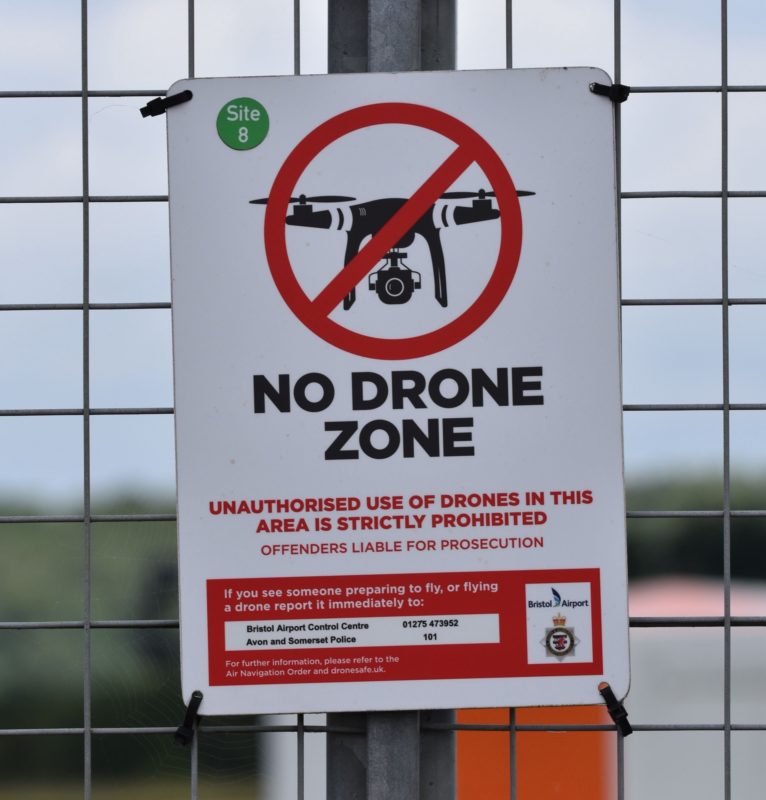
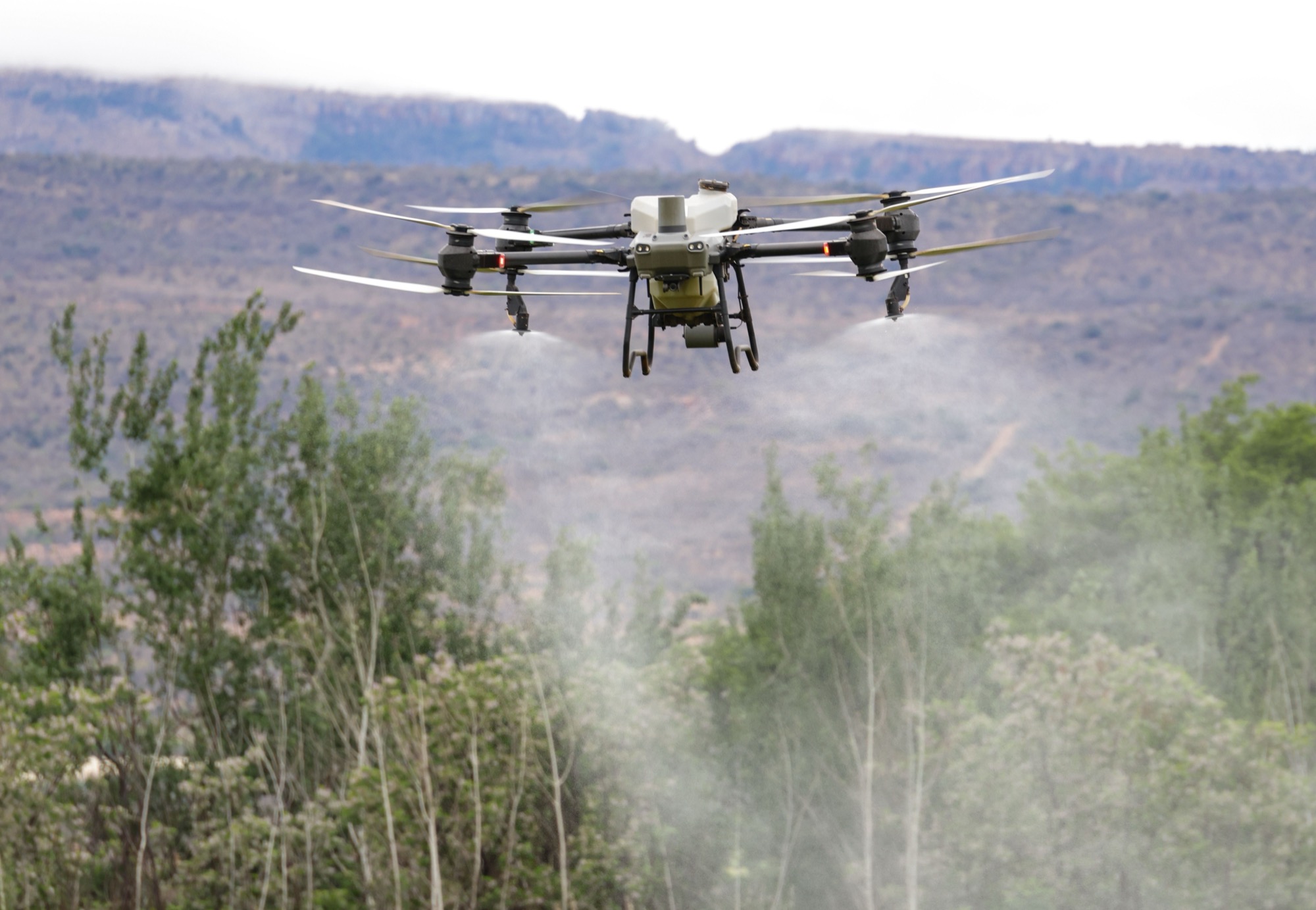
The bill that initiated the first DJI ban, first proposed in 2024, was perhaps a little harder to understand, and certainly had more potential consequences to video production professionals. Along with other gear like gimbals and cameras, DJI makes most of the world’s drones at almost every level of the market: cheap consumer drones for regular humans, cinematic drones for video people, monitoring and agricultural drones used by mining and farming.
When the bill took effect, DJI had a one-year deadline for an audit to be performed to clear their name, though no specific agency was assigned to the task. According to DJI themselves, they tried to get an agency to audit them, but no agency would.
2025: DJI gear and other foreign drones banned
As a result of no audit being performed, on 23 December 2025, and any device that hadn’t already been cleared for import was effectively banned. By being placed on the FCC’s “Covered List”, no new DJI drones or other products could be certified to be imported or sold in the US. So what’s the Covered List?
The FCC’s Covered List is a list of communications equipment and services that are deemed to pose an unacceptable risk to the national security of the U.S. or the safety and security of U.S. persons.
Equipment on the Covered List (“covered equipment”) is prohibited from getting FCC equipment authorization. Most electronic devices require FCC equipment authorization prior to importation, marketing, or sale in the U.S. Covered equipment is banned from receiving new equipment authorizations, preventing new devices from entering the U.S. market.
If you bought your drone before 23 December 2025, you can still fly it, but you may not be able to buy its replacement. The Covered List isn’t an instant ban on existing products, but a ban on new certifications. That left a little wiggle room, but it’s starting to run out.
As an extra sting, all other foreign-made drones that hadn’t passed certification on 23 December 2025 were also added to the Covered List.
2026: Routers and robots banned, DJI gear being blocked
Several DJI products passed certification before the cutoff date, and they have not been banned from sale. That’s why the Avata 360 could be released worldwide — including the US — in 2026, as well as the DJI Mini 5 Pro, and Mavic 4 Pro. Availability in the US has been spotty for some of these DJI products due to customs problems, but they weren’t banned by the FCC. However, some newer drones, including the DJI Lito 1 and DJI Lito X1, have not been certified, and can’t be sold in the US at all.
But not DJI customer flies drones — they also make nice gimbals, cameras and mics. Even though drones are where this battle started, more video professionals are more likely to be impacted by the bans on all DJI’s other gear. If you’re in the US, you can’t buy a DJI Pocket 4, 4P or Mic Mini 2S, because all these devices have include radios (Bluetooth, Wifi, etc.) that the FCC refuses to certify. It’s also not possible to import drones from other Chinese companies like HoverAir or Potensic. Here’s an explainer.
If you live conveniently close to Canada or Mexico, you can drive across the border and pick up anything sold there. Of course, this comes with warranty issues and possible regulatory headaches, and is far from ideal. (Related, if you’re Canadian: US lawmakers proposed legislation in June to stop Canadian EVs from even visiting the US.)
While the absence of DJI gear might not be a huge issue right now, it’s going to become a bigger problem over time. Over the next few years, new drones from many manufacturers and all kinds of DJI gear will be released to the rest of the world, but US video professionals will be stuck with more or less the range available today. (There may be one or two more approved DJI products that haven’t yet been released, but we’re just about done.)
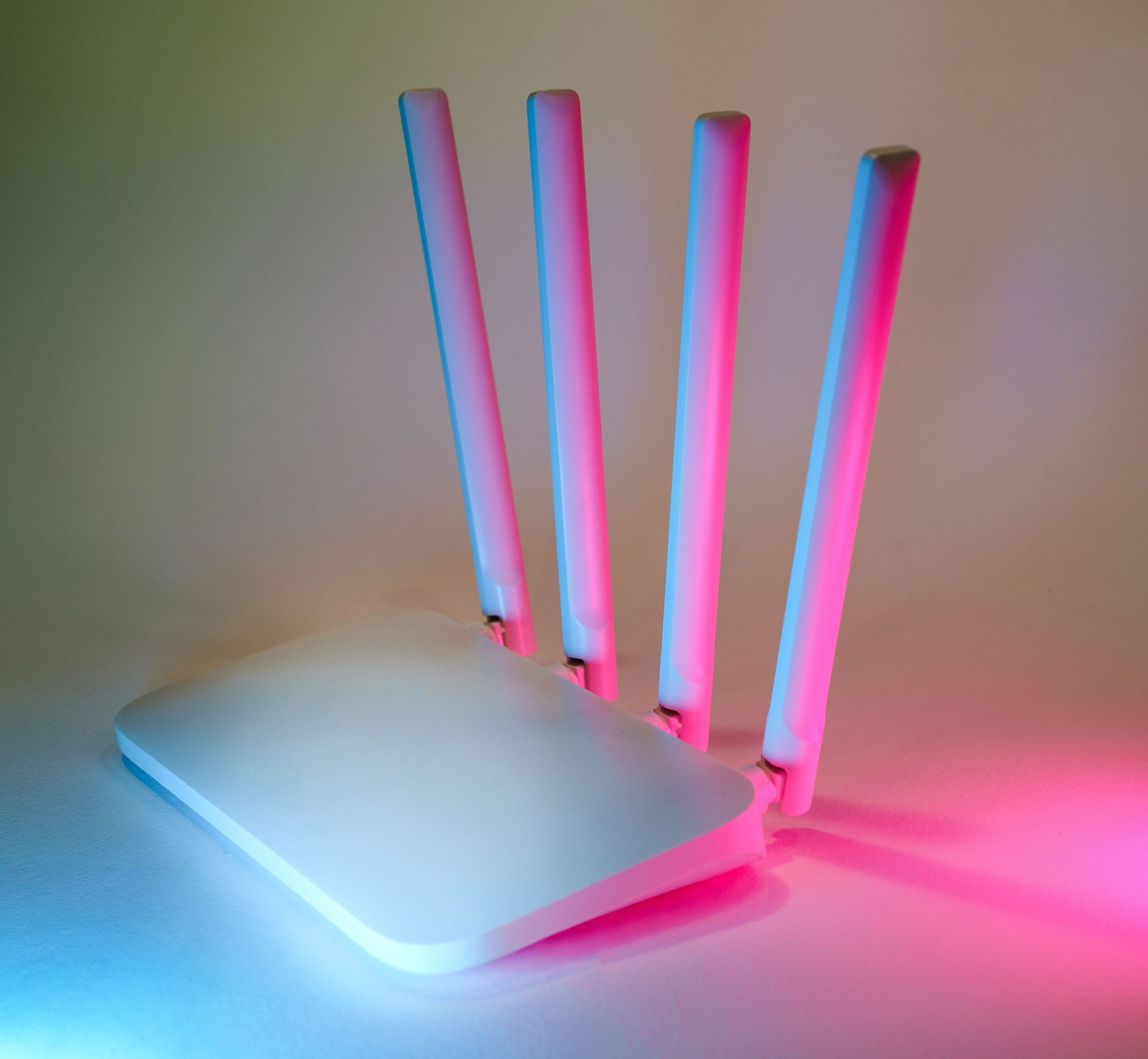
In addition to drones and DJI gear, many more tech imports have also been banned in the US this year on national security grounds. In March, foreign-made Wi-Fi routers were added to the FCC Covered List, with exemptions given to Netgear, Eero and Adtran.
Following that, in late July, the FCC added mobile robotic devices and connected power inverters to the list. Unless a manufacturer can prove to the Department of War that their robot vacuum cleaner is safe, they won’t be able to sell it.
Of more direct interest to filmmakers, the FCC also announced they plan to classify any drones equipped with LiDAR as “military grade” and retroactively ban them from sale. This means that several recent DJI drones that use LiDAR for obstacle avoidance (including the Neo 2, Avata 360, Mini 5 Pro and Air 3S) may not be on sale for much longer. This proposal is currently open for discussion, but if it goes ahead, a 180-day countdown could begin in early September.
DJI lookalikes are gone too
The company Xtra had offered a range cameras that looked a lot like DJI’s cameras, and for a while, it looked like the Xtra Muse 2 Pro was going to act as a Pocket 4P substitute for the US market.
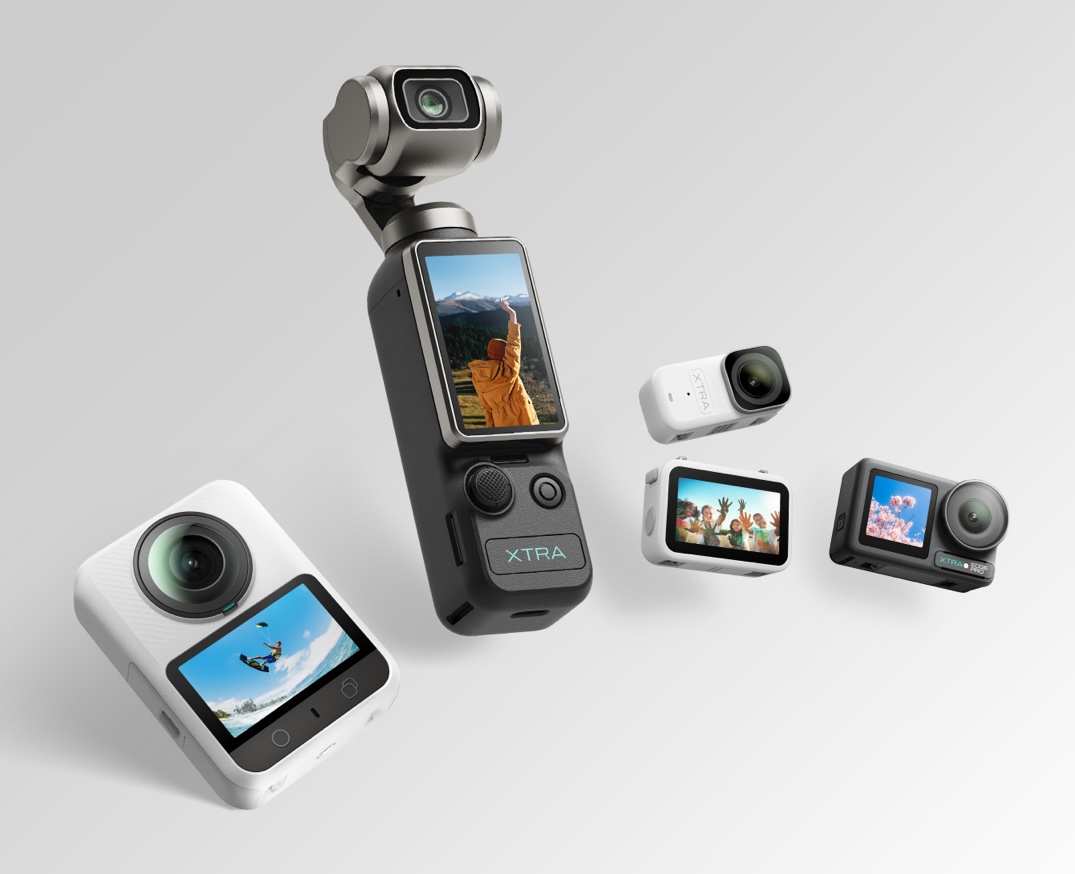
However, the company has recently cancelled all preorders for the Muse 2 Pro after having its certifications revoked by the FCC.
It’s all messy
Tariffs have made life tricky for any companies wanting to import to the US, but outright bans are a level beyond. It may have seemed odd to broaden a ban on “foreign drones” into a ban on “foreign drones and anything else DJI makes” but as the list of banned tech grows, it becomes less surprising.
Unfortunately, US filmmakers seem destined, in the short term at least, to have very few drones to choose from, and to face more restricted choices in other areas. No US company currently makes drones for the consumer market, and the only US-made filmmaking drones (such as Freefly) are for the very high end. It’s hard to see a good outcome for video production here.
Conclusion
Not everyone thinks the router bans are justified. Here’s a quote:
[The FCC measure] does have a credible supply-chain security rationale, but [the measure] is far broader than the public evidence shown so far.”
“A router is secure because of its architecture, software-maintenance discipline, and support lifecycle,” he added, “not because of the passport of the factory.”
— Jason Pearce, field chief technology officer with IoT security firm Claroty, regarding the router ban, from this article.
Regardless, the current FCC administration seems committed to the policies of the current US leadership — here’s a press release from the FCC entitled Unleashing American Drone Dominance — so I would not expect to see any significant change in direction until 2029 at the earliest.
No matter what your political views, if you’re in the US and you might need a small, cheap drone over the next few years, you might want to grab one sooner rather than later. Expect turbulence.