Filmtools
Filmmakers go-to destination for pre-production, production & post production equipment!
Shop NowApplying storying from filmmaking to pop concerts, television commercials, and even church services

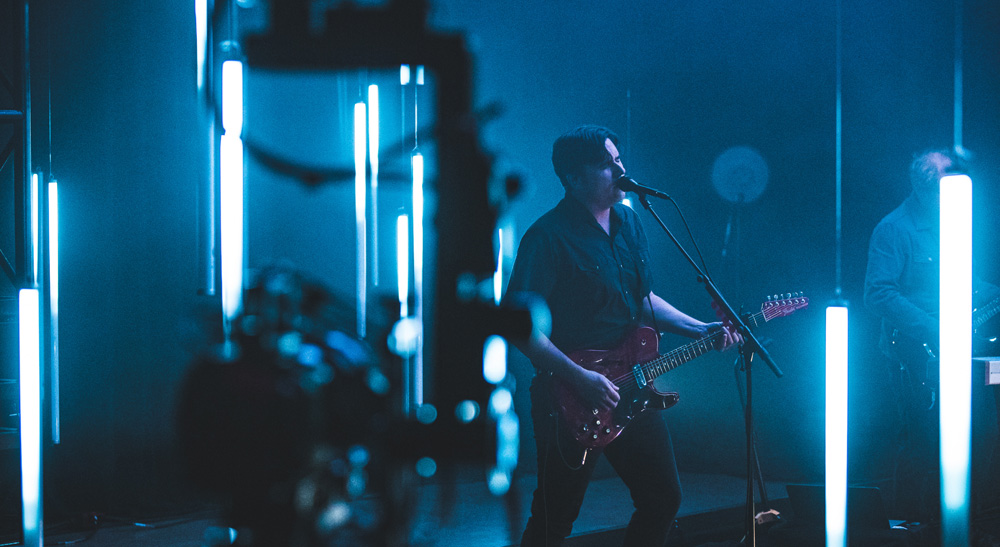
Production has become an industry where versatility is paramount. The ability to apply our creative skills across multiple audiovisual disciplines – from blockbuster filmmaking to pop concerts, television commercials, and even church services – has become a necessity to navigate the gig economy that has defined Hollywood and beyond over the last half-decade. The equipment crews used to pull off a live newscast are now used to oversee an opulent concert performance that utilizes giant LED displays and rapidly switching light effects.
Blackmagic Design recognizes these shifts and has long risen to meet the demand for versatility, adaptability, and a willingness to persevere in the name of creation.
Blackmagic Design has earned a reputation in the industry, setting new standards of excellence with their vast lineup of consumer and professional digital film cameras, high-capacity cloud storage solutions, and a seemingly endless roster of broadcast-caliber video equipment. In fact, they have become ubiquitous in feature filmmaking, television, and video content creation for internet platforms such as YouTube. However, Blackmagic’s technologies have also seen extensive multidisciplinary use beyond their call of duty, far surpassing their original niche as products.
Bob Caniglia, Director of Sales Operations, North America at Blackmagic Design, elaborates on this crossover. “Our URSA Cine camera line definitely experienced this. The URSA Cine 12k, for instance, was initially designed as a cinematic camera for productions such as documentaries, feature films, or commercials. Then suddenly, people are shooting live concerts with these things and want to do a live switch with them,” he said.
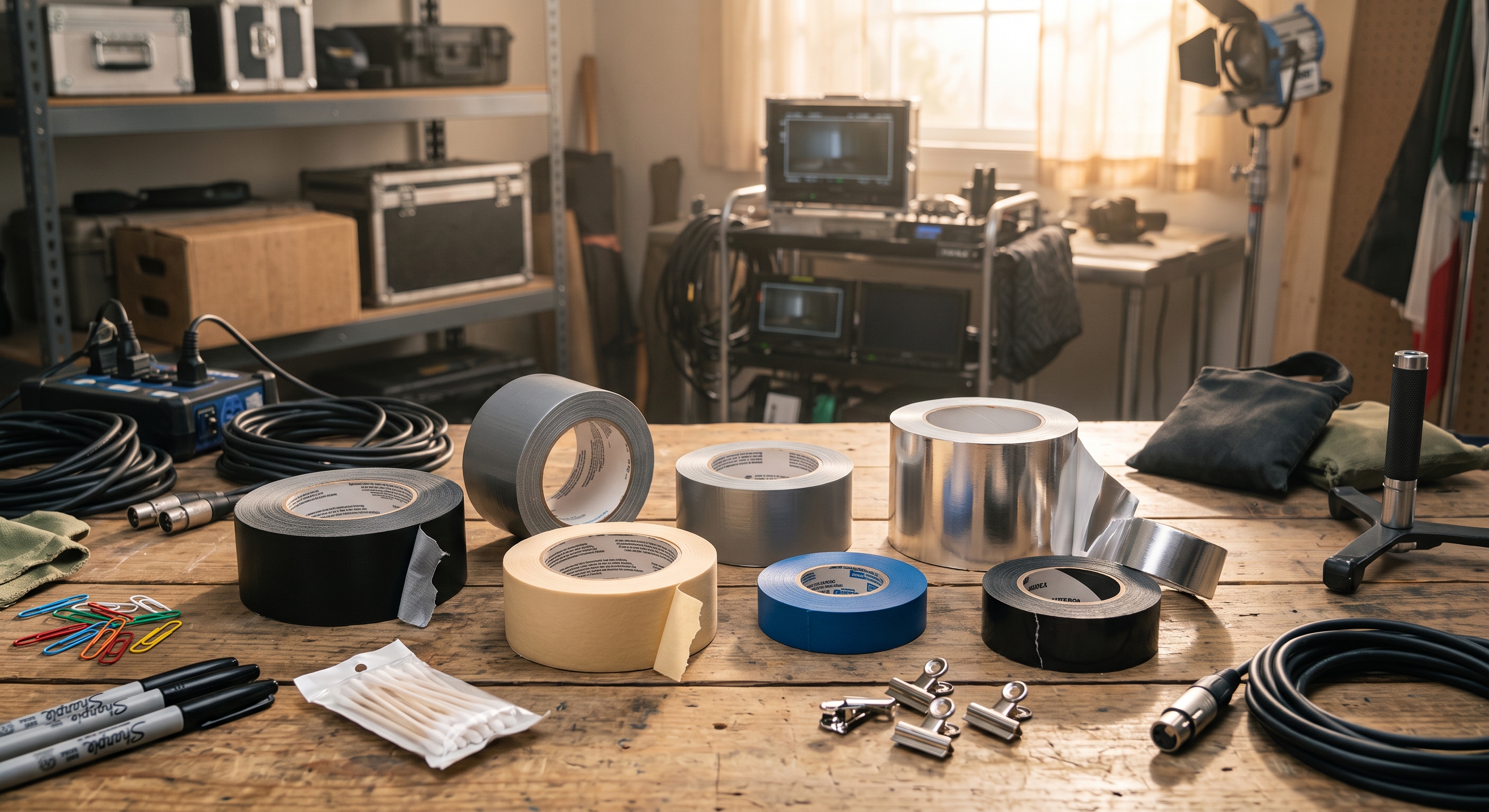
Want to know more about essential gear like pro audio, instrument accessories, consumables (tape, batteries), custom solutions, and broadcast equipment for road crews and musicians? Shop Tour Supply Today!
“That was not the original intention of the camera, but it has made us take a look at what else our products can offer. We wanted to allow these people to continue this kind of work with our cameras. Many of our customers have asked about different features that we had not initially considered. The same thing happened with the URSA Cine Immersive camera; originally, we didn’t design it to be a live camera. And yet, just recently, it found use in the live broadcast of an NBA game.”
Ultimately, accessibility is at the forefront: gear is no longer limited to a single industry, democratizing production as creative teams mutually share the technology across different fields and artistic mediums. From filmmaking to sportscasting, from VFX-heavy virtual productions to public museum installations, it supports the idea that the limits of our creative expressions are fewer than they were five years ago, that we have transcended such restrictions. But that is not the entire truth. Technology is often developed with a specific initial purpose: preconceived limitations. But when we appear to surpass those limitations, applying the technology to a wholly different field, taking it to an environment outside of its habitat, it doesn’t spite the limits of the tech: it reframes them.

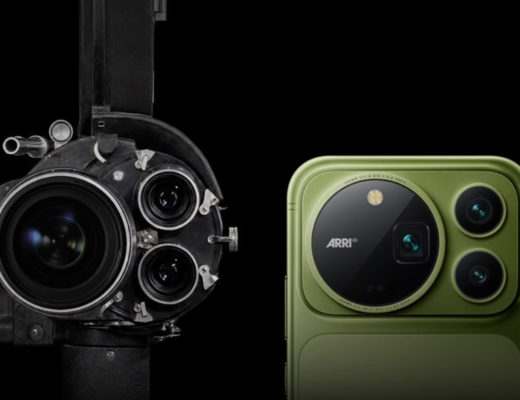
Take the iPhone 17: while the capabilities of smartphone cameras continue to see incremental improvements with each yearly hardware upgrade, able to shoot at high resolutions and frame rates with more in-depth settings that deliver a DSLR-like experience, Blackmagic takes their functionality even further. To be more specific, the Blackmagic Camera ProDock turns the iPhone 17 Pro and iPhone 17 Pro Max into broadcast-grade cameras with professional camera connections and genlock support, among other new features. “This gave people the ability to rig the iPhone 17s and use them in live spaces.” Caniglia elaborated. “It’s another way for people to use our tools in a variety of ways. Right away, people were using the iPhone 17 at a Major League Baseball game, and that was made possible thanks to the ProDock. You’re able to add genlock so the crew can rig the phones and use them as standard broadcast cameras, and they also put some giant lenses on them, which was funny to see on an iPhone. But, you know, it just showed how people can use these different video tools in live environments.”
“With the ProDock, you can basically move the footage around and bring them into a central area where you’re able to do live switching, and it has the features needed to make that happen. You’ve got the HDMI out, but you also can stream straight from the camera or use the Blackmagic cloud service.”
It’s easy to forget the recency of this synergy. While there has always been a gradual push toward visual media, applying cinematic techniques to traditionally non-cinematic forms of entertainment, it is the temporary shutdown of the overall production industry during the 2020 COVID-19 pandemic that gave creatives the time to take a long look at their gear and reconsider the possibilities.
Versatility, ingenuity, creativity: that is what matters above all else, and the knowledge that the tech we use is capable of so much more lowers the barriers for people who have the simple, yet ever-burning desire to create. “What is broadcasting?” Caniglia begins. “Everybody’s broadcasting. You have a YouTube channel, you’re broadcasting. More people watch content creators on platforms like YouTube and TikTok more than regular television, which has changed a lot of things, including creators being able to readily share techniques. I mean, I grew up in this business 40, 50 years ago, and nobody would share what they were doing: you had to figure it out on your own, but now, you see a lot of behind-the-scenes stuff where you’re able to absorb everything they’re doing and using. It all helps. When you have access to all this knowledge, it gets people thinking a little bit more.”
“The enemy of art is the absence of limitation” is a quote attributed to Orson Welles, an icon from an industry where filmmaking techniques were kept tight-lipped. Citizen Kane was produced on a modest budget for its time and used subtle creative shortcuts to achieve its striking visuals. That was Welles’ Hollywood. With social media platforms and content creators dedicated to sharing the ins and outs of filmmaking and video production, that world no longer exists. Knowledge is more accessible than ever, as are the tools to start filming.
But that doesn’t mean limitations no longer exist. Limitations define creativity, and people continue to use those perceived barriers to their advantage.
It well represents the modern approach to audiovisual production: the ability to gauge the limits of what you have immediately in front of you, to see where the walls of your current vision are built, how tall they stretch, and to push the capabilities of these tools beyond what was thought possible. When you stop seeing limitations as only concrete parameters denoting what a tool can or cannot do, you start seeing limitations as a challenge to take things as far as possible: one Blackmagic rises to meet with their equipment and software.
“We spend a lot of time with some of the guys in the live event space,” reflected Caniglia. “Getting their feedback, learning how they’re using our products, and figuring out what they would want in the future. That’s been cool! And now that they know we’re listening, they go back to us and request all these features. You want to be influenced by the people who use your products, for sure. And then, maybe, sometimes you come up with some ideas they weren’t expecting in the first place. That is always fun to drop.”
This article was brought to you by Tour Supply – providing creative professioanls with everything they need, including Pro Audio Gear, Instruments, & More! Founded in 1998, Tour Supply is now partnered with Filmtools, serve professionals with gear for concerts, festivals, and film, operating primarily online with a physical store in Burbank, CA, and offering fast, reliable shipping. Learn more here.