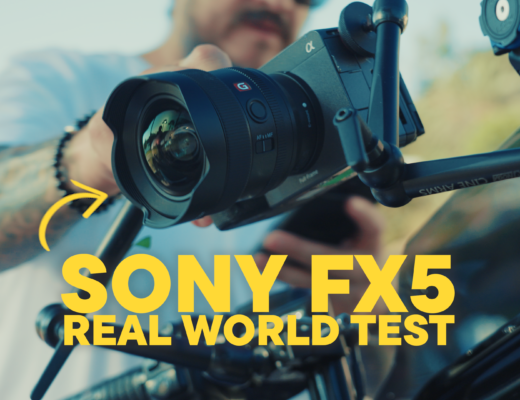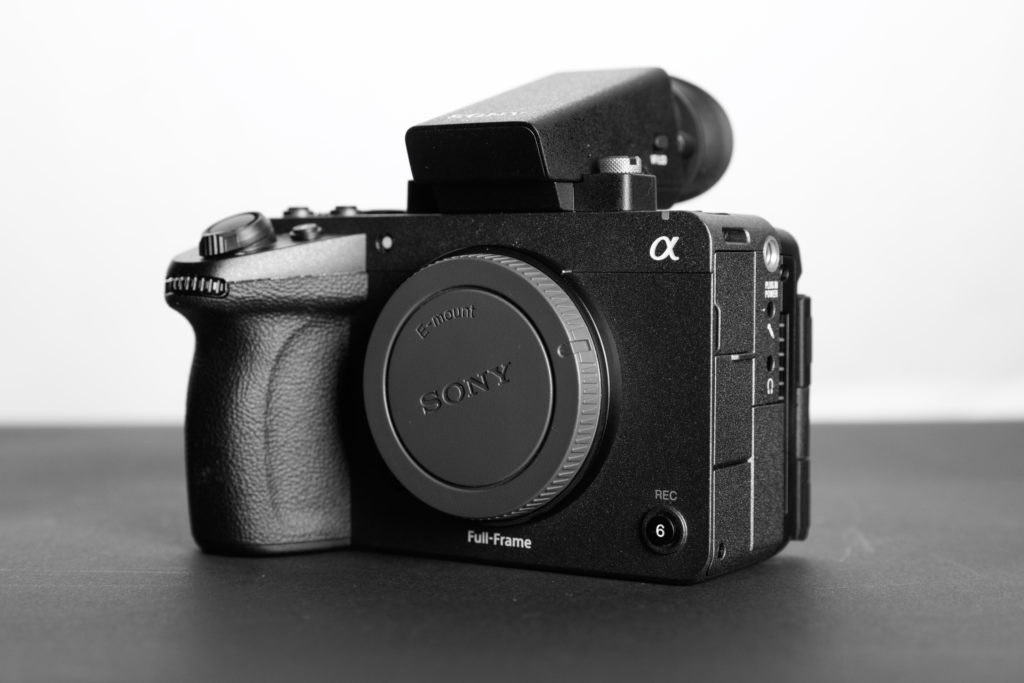



I’ll start with this – I think it might be wise to separate Sony FX5 camera announcements from Sony FX5 reviews. Mixing the excitement of one spoils the truth of the other. Or, at least, that is my opinion. The second thing is that we are in a wonderful place when it comes to cameras. The idea of compromising creative vision to accommodate ease of use is mostly over.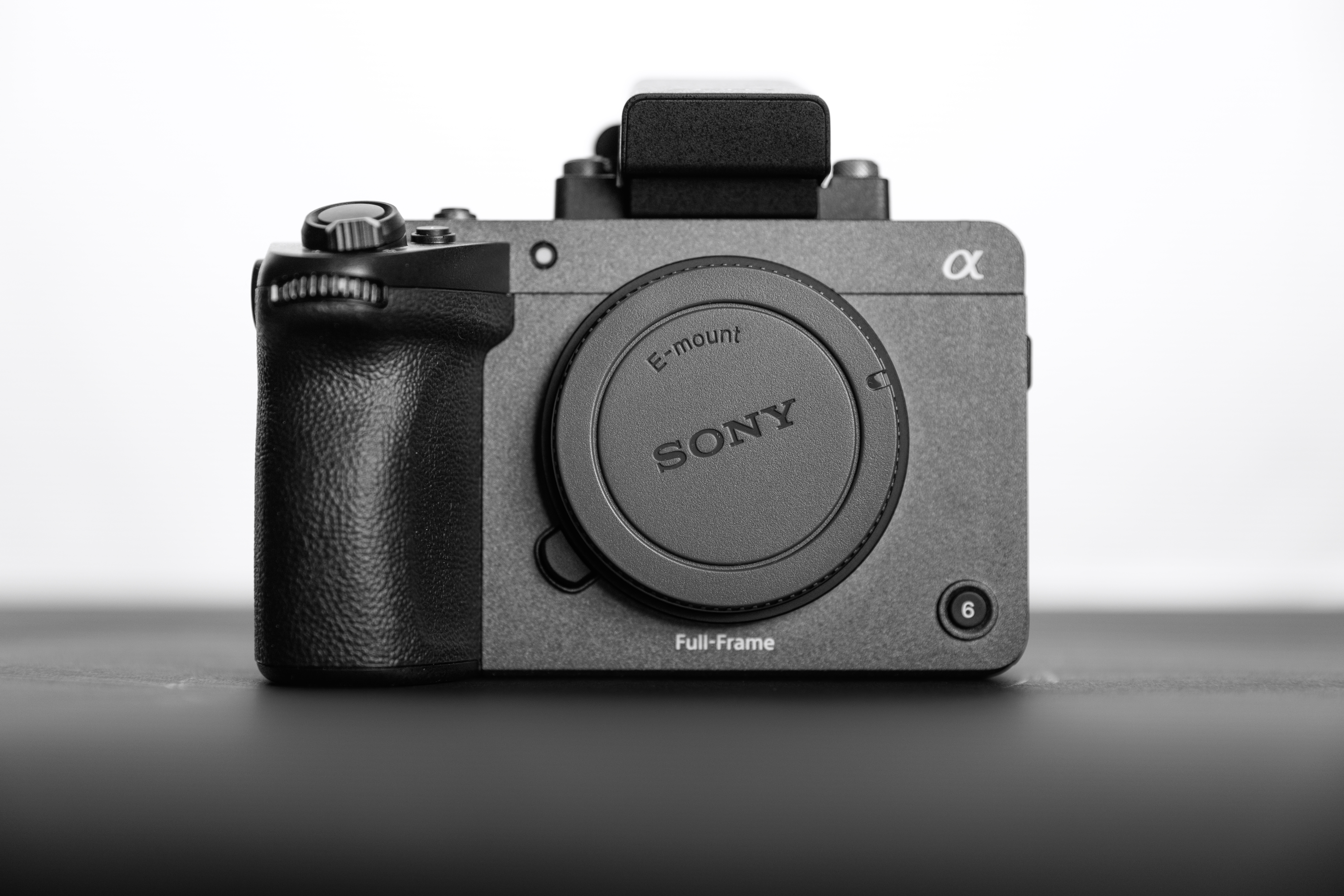
The Sony FX5 is the kind of camera where compromise has mostly been shelved during the design process and replaced with practicality. Just flip the Sony FX5 over and discover not one, but two tripod screws – that’s a feature usually reserved for larger video cameras, and it’s super practical. Sony didn’t need to add that simple feature, but they did, and you probably wouldn’t have noticed.
That practicality doesn’t end with tripod screws. Three base ISOs: 800, 4000, and 12,800 – super practical. A ton of other helpful features – definitely super practical. You won’t have to “work” with the camera to make super nice images.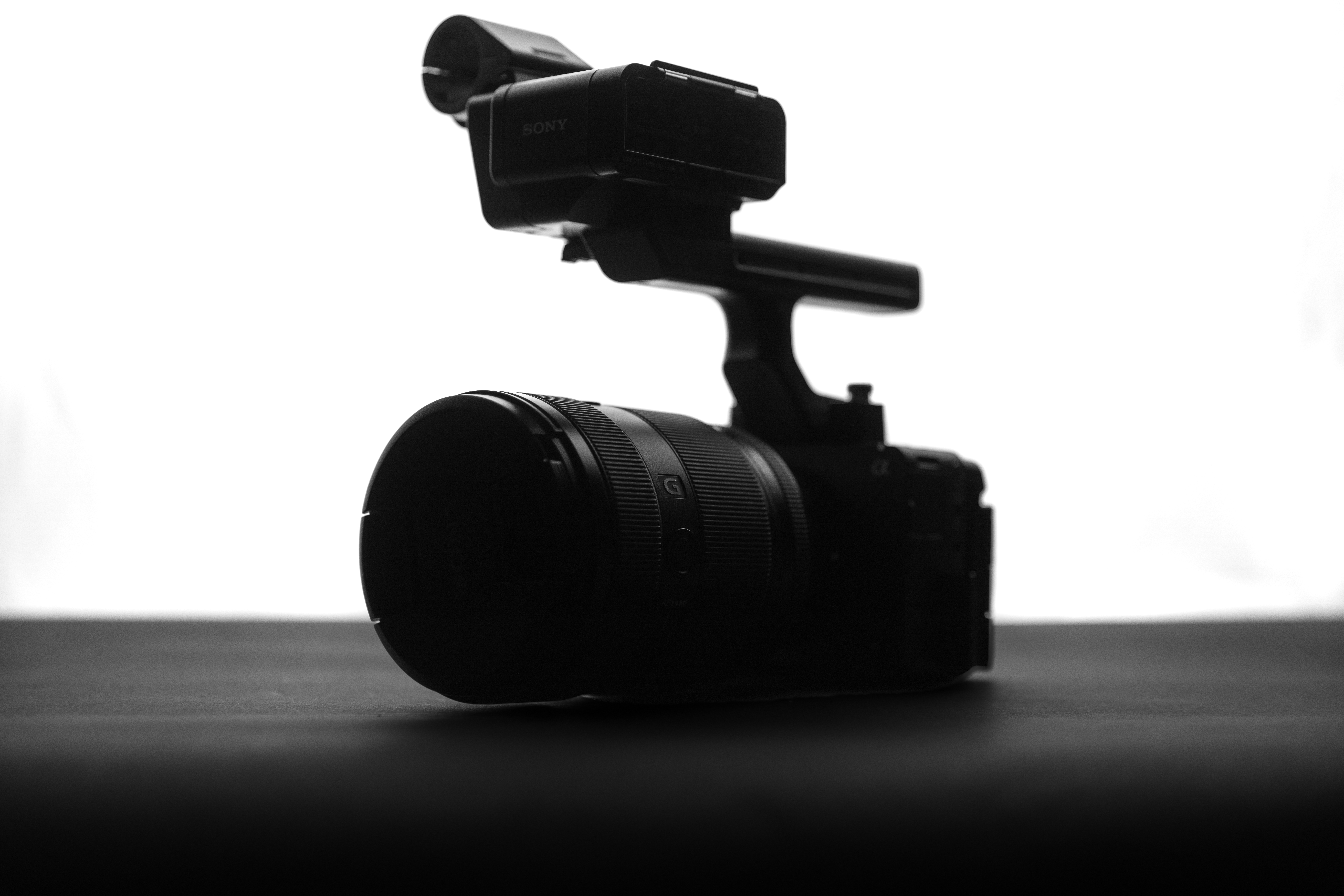
I’m going to pause here for a second. I can see what I wrote may cause people to believe the Sony FX5 has everything you personally need in your life, will replace the need for a more expensive camera package, or help them with the childhood trauma of wanting to make a living as an artist while your family begged you to get an engineering degree. This is a camera. This is a mirrorless camera. Like most mirrorless cameras, the Sony FX5 doesn’t have an electronic variable ND, and the anamorphic modes turn off autofocus and IBIS. You know what? Maybe use the monitor to de-squeeze your image and keep the autofocus and IBIS. Finding a way to make anything work for you on the day of filming is pretty easy with the Sony FX5.
Don’t be upset that Sony had to develop new batteries for the more power-hungry FX5 and that older FX3 batteries don’t work. Just stop. I’m not here for your “hot take,” and it doesn’t make you any more interesting.
I’m 50; I have zero f’s to give. I learned on S16mm film cameras, and my first job gave me a Sony Betacam nearly the size of my torso. No camera can do everything. I don’t know everything. What I do know is that the Sony FX5 is the closest camera I’ve seen to the perfect camera.
I think we need to frame the Sony FX5 first. To me, the Sony FX5 is a new direction for Sony.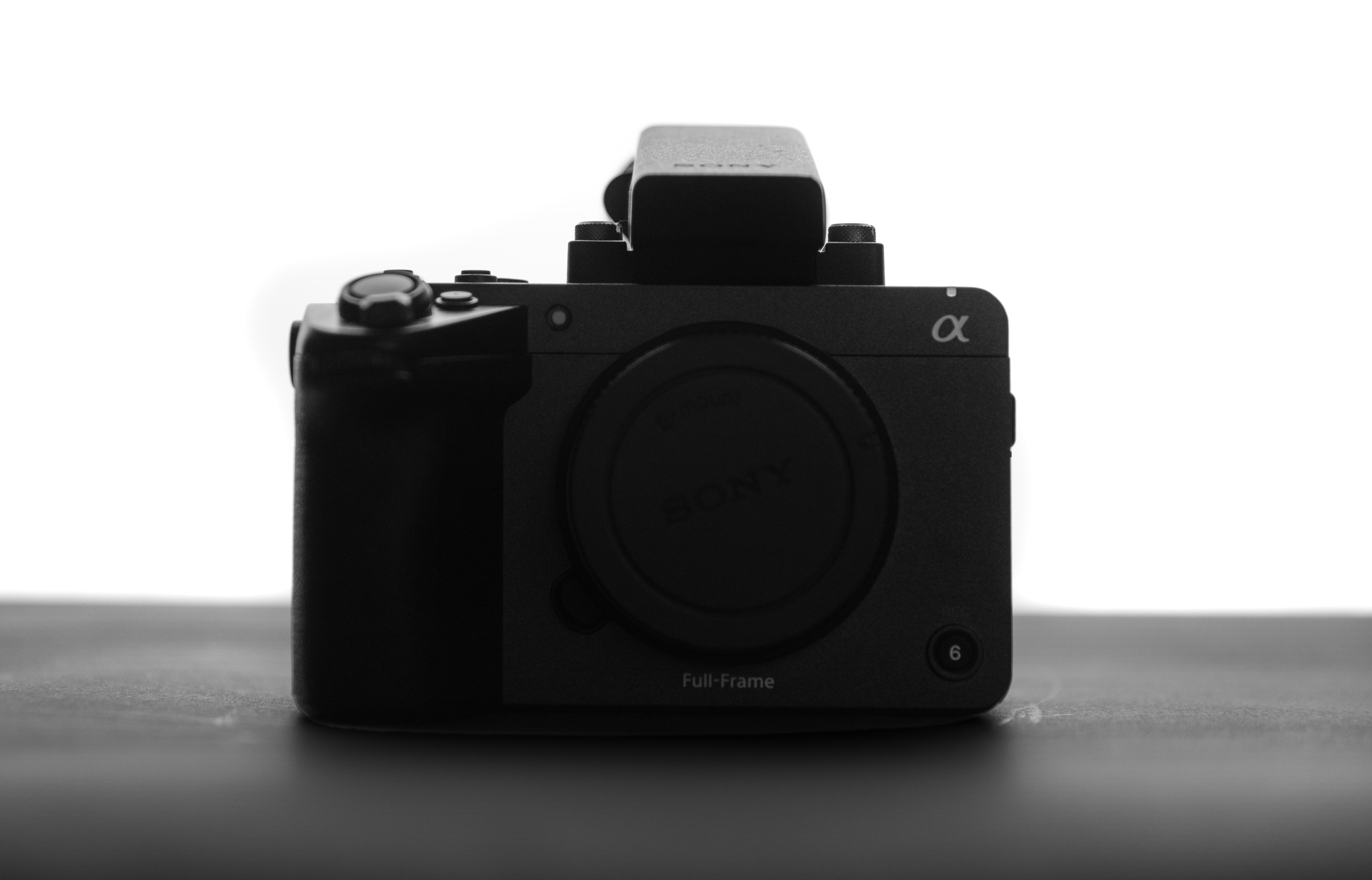
Sony FX5 and X-OCN
The top feature to me is the inclusion of X-OCN in the Sony FX5. This means Sony will add X-OCN to all their future video cameras. Venice 2 down to the FX5 will have X-OCN, meaning that the entire Sony ecosystem will have a matching raw codec, making post-production easier. Whatever future camera announces that slots nicely in between the Sony FX5 and the Burano will have X-OCN, I bet.
That being said, I believe the Sony FX3, FX6, and FX9 cameras will not get internal RAW or internal X-OCN. Those cameras are great, but there are probably a whole lot of hardware reasons why they won’t get X-OCN as an internal raw recording option. Plus, who wants to invest in older camera tech when you can build a better camera that better fits your key targets?
The X-OCN is lovely. The image looks better than you’d expect from a mirrorless camera. In fact, the footage looks like it was made to come as close as possible to matching the Venice 2 and Burano. Seeing the results, I can see myself as a freelance DOP with a Burano and a couple of Sony FX5s. Then rent the Venice 2 for larger jobs. It’s about the system. Matching recording formats and look is really damn useful.
What I absolutely love about Sony footage and X-OCN footage is that there’s a lot of room to pull back highlights and upper mid-tones in DaVinci Resolve. It can be pretty easy to overexpose a touch when monitoring off the rear LCD screen on any mirrorless camera- a touch over, in my experience. The Sony X-OCN can be pulled back more than other brands, and that is always a huge benefit.
What Sony Needs To Address
X-OCN in individual folders for each shot? I hate this as an editor. Find another way, Sony. Add a photography option.
Sony FX5’s Open Gate
If you suspect me of being anything but honest with my opinion, then you need to work on your reading comprehension. The only reasons I care about Open Gate are when I know I’ll have to cut a vertical video from what I’m filming, or when I’m filming anamorphic and I may need, or want, the vertical space on the sensor. Otherwise, I’m far happier capturing the frame I want in the moment. There’s something magical about seeing the frame in the moment. There is also the freelance broadcaster in me; you give them exactly what you want them to see. Anything outside that 16×9 frame isn’t necessarily what you want.
I’ll also state I can frame-creep. If I’m filming in Open Gate, I begin to start framing for that 3:2 instead of the 16:9 and 9:16 deliverables. That’s me, the user, making that error, but it’s an easy one to make. Like the little bit of video below, I started to fill the 3:2 frame instead of looking at the 16:9 I wanted.
I am not a fan of filming vertically and horizontally at the same time. I’d rather just shoot vertically and horizontally separately. I think you can do really good framing in both aspect ratios, but it’s harder to nail both when you shoot them at the same time. But we live in the times we live in, and we move forward with the times. Plus, you can find some incredible frames when filming vertically.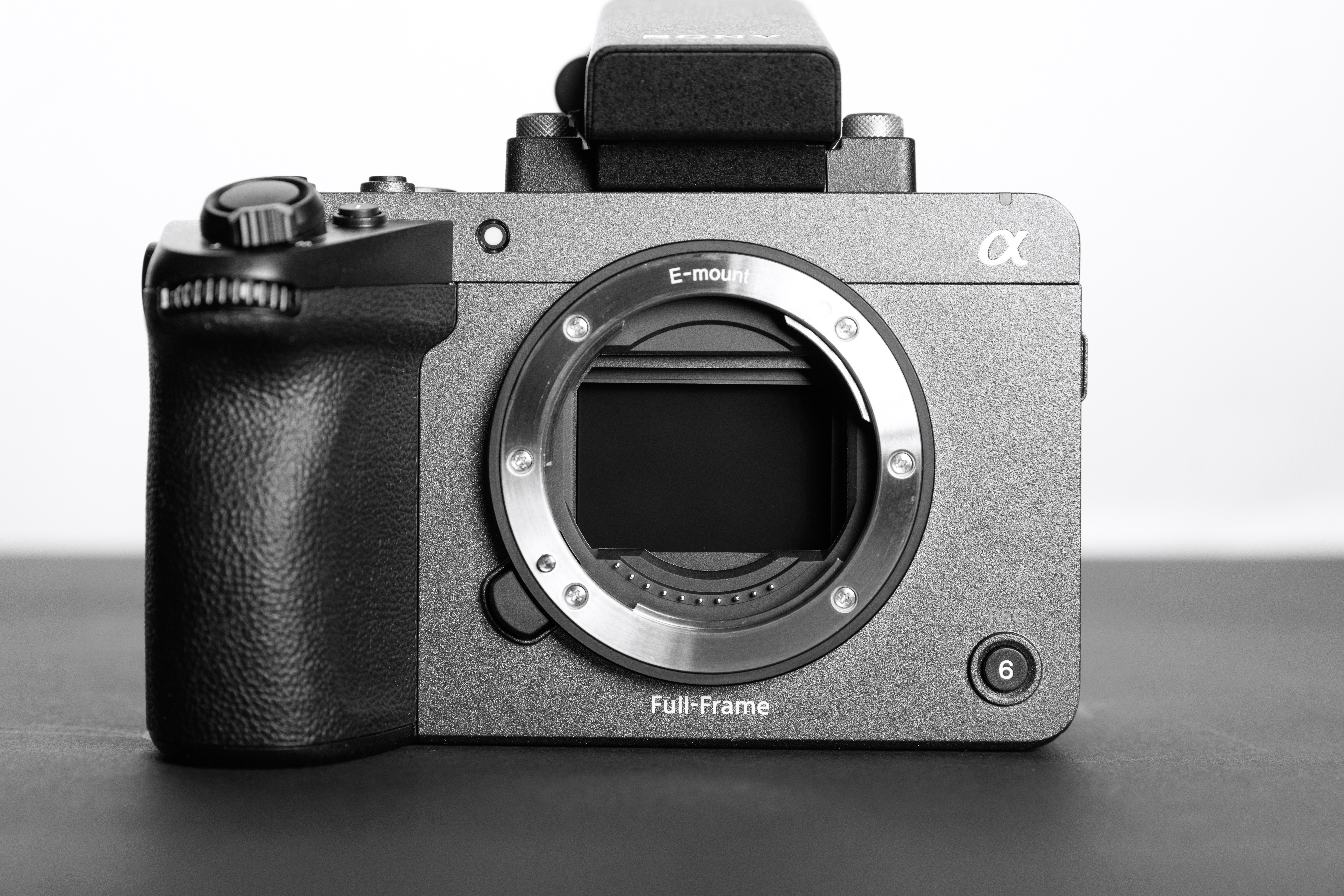
Three Native Base ISOs
I love this. I really love this. I found bouncing between 800 and 4000 base ISO visually smooth. I was filming Stone Manor, and I wanted to shoot 60p. Jumping to Base 4000 and choosing a lower ISO meant filming without compromise.
As a documentary-focused filmmaker and currently a healthcare documentary filmmaker, the ability to reach super-high ISOs is super useful. Try filming in a child’s hospital room where the lights are dim, and they NEED to be dim. Those are the times when 12,800 ISO can make the real difference between getting the shot and capturing a beautiful moment – clean.
Dual Gain Processing at 800 ISO
Dynamic range is the ultimate useful feature in a camera. This is a nice feature to have in the Sony FX5. Honestly, I feel like Sony could’ve left it out and we’d still be pretty happy with the Sony FX5. I wish the Sony FX5 Dual Gain setting wasn’t locked into 800 ISO, but it is what it is.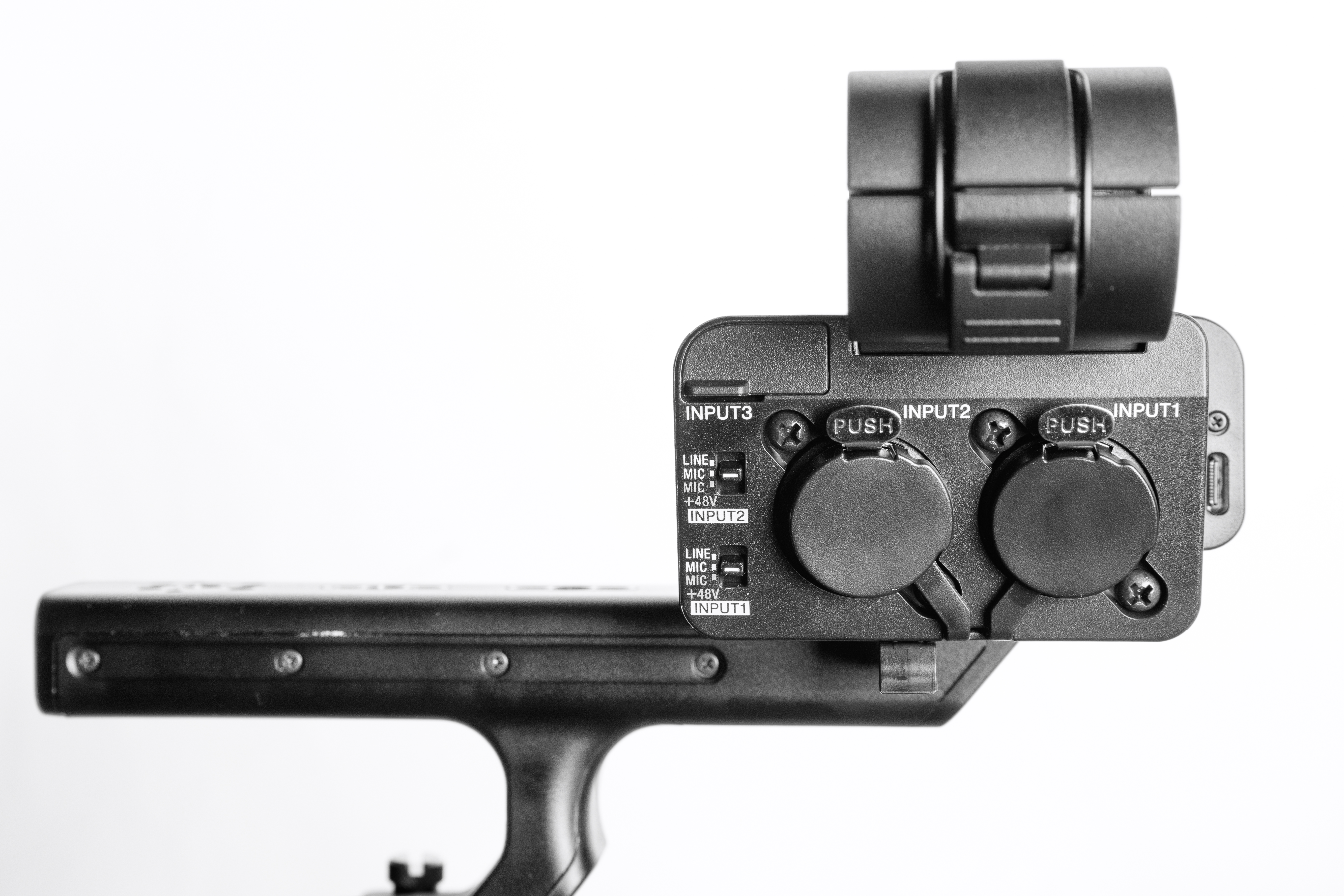
The XLR Handle and 32-bit float recording
We are in a world of correctness, and correctness is adding 32-bit float audio recording to a camera. We all know audio is not the big lift with cameras like the Sony FX5. I think this camera is designed for solo shooters, and what’s the one thing that’s hard to focus on when you’re juggling so many other things while filming? Audio. Having 32-bit float recording means you can ensure you have the audio you need, even if the recording is a little too loud or a little too low.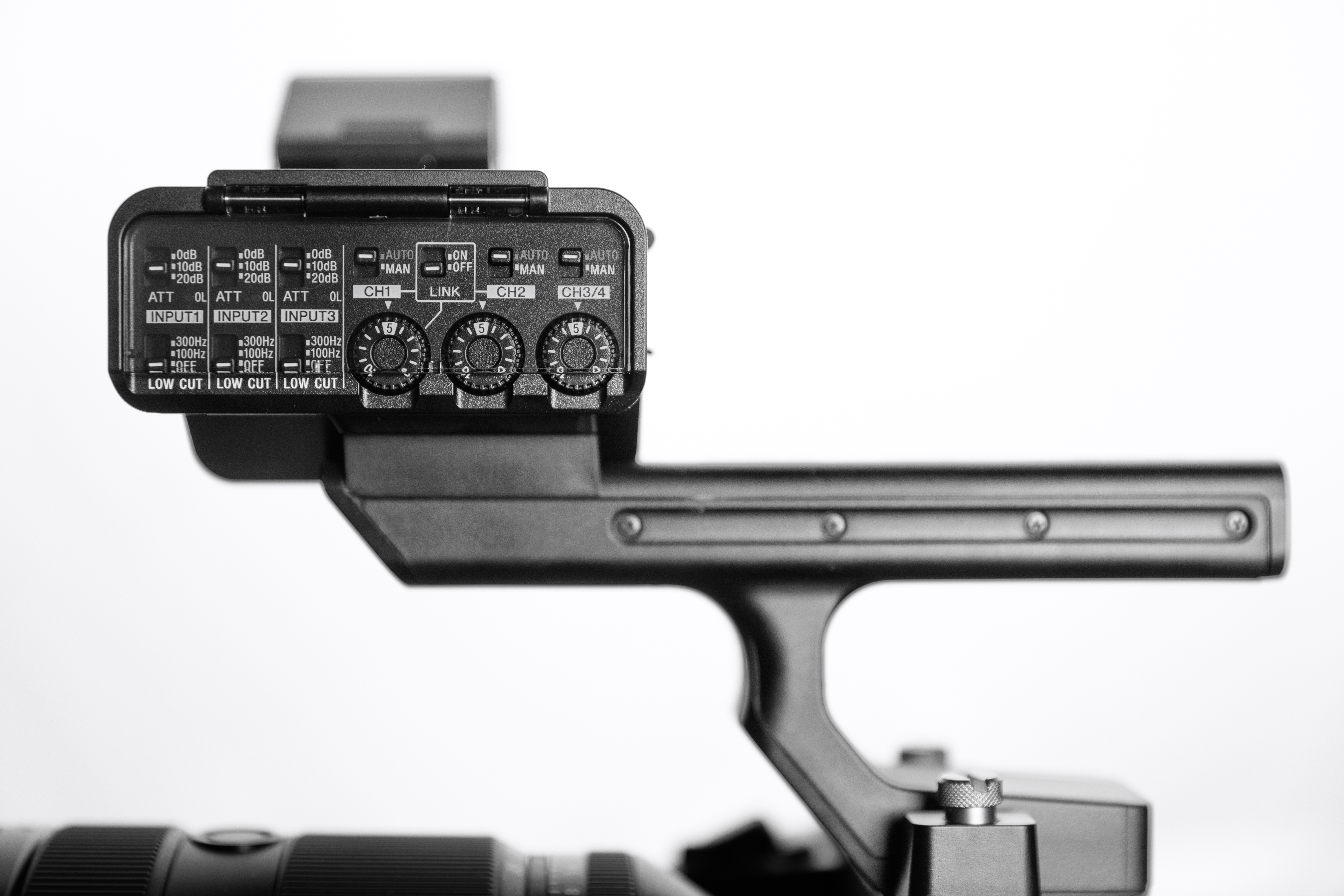
The Sony FX5 Optional EVF
Tiltable. Bright. A diopter I can dial in without needing my glasses. This is how one does an optional EVF for a mirrorless camera. Sony gets this one right. Similar tiltable EVFs exist on similar-sized cameras, but not enough live out in the world. We need to embrace the EVF again. It’s so much better to film and frame with an EVF than a monitor, in my opinion. My only beef is you can use either the optional EVF or the XLR Handle, not both at the same time. Now, some non-Sony accessory manufacturers sell kits that let you build out the Sony FX5 to use both the EVF and XLR Handle.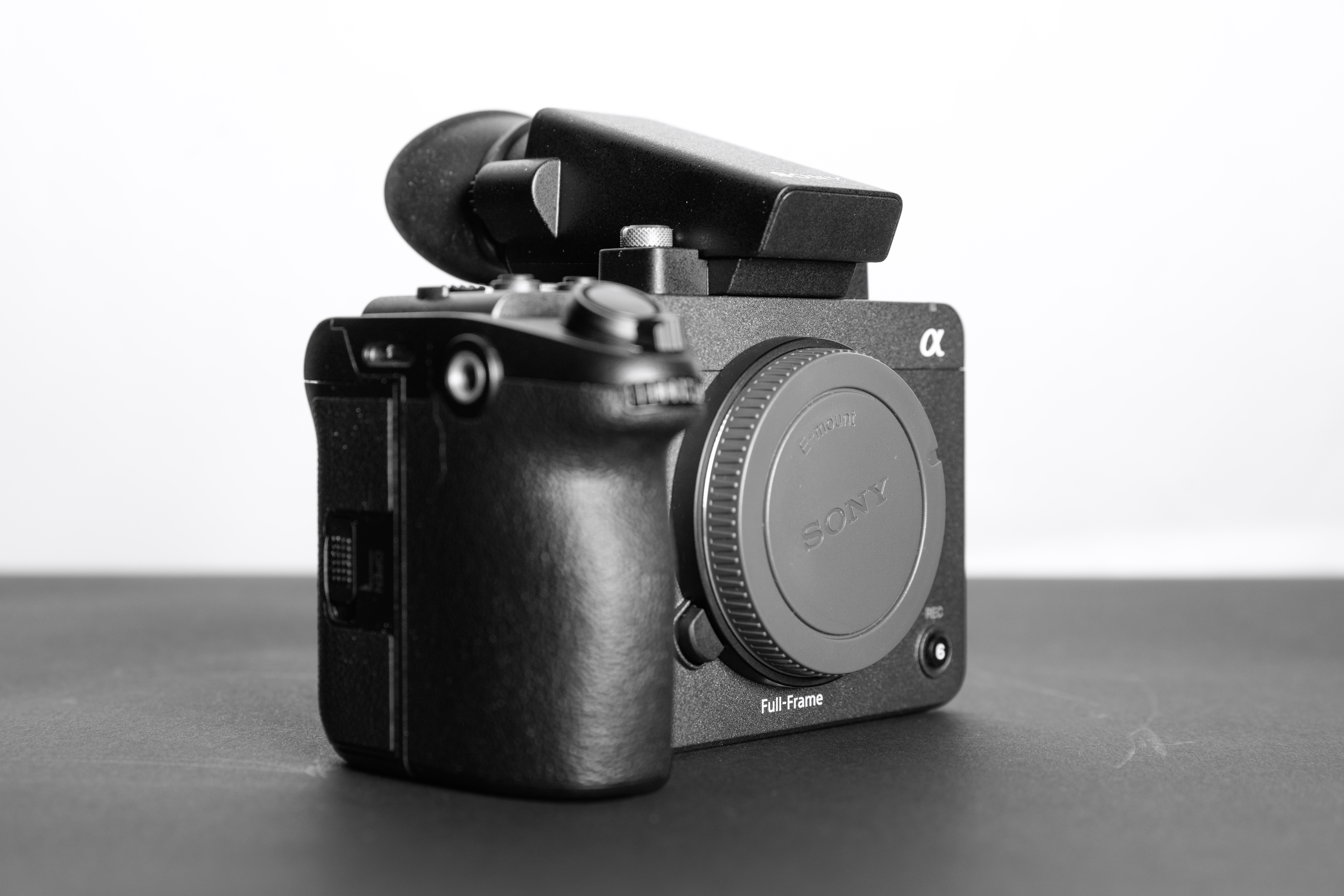
Sony FX5’s Large Screen
I love a large screen on a camera. Sony gave us about the largest screen they could fit on the Sony FX5. The rear screen isn’t just large. It also rotates and tilts down, letting users monitor their shot on the rear screen regardless of the angle they’re filming.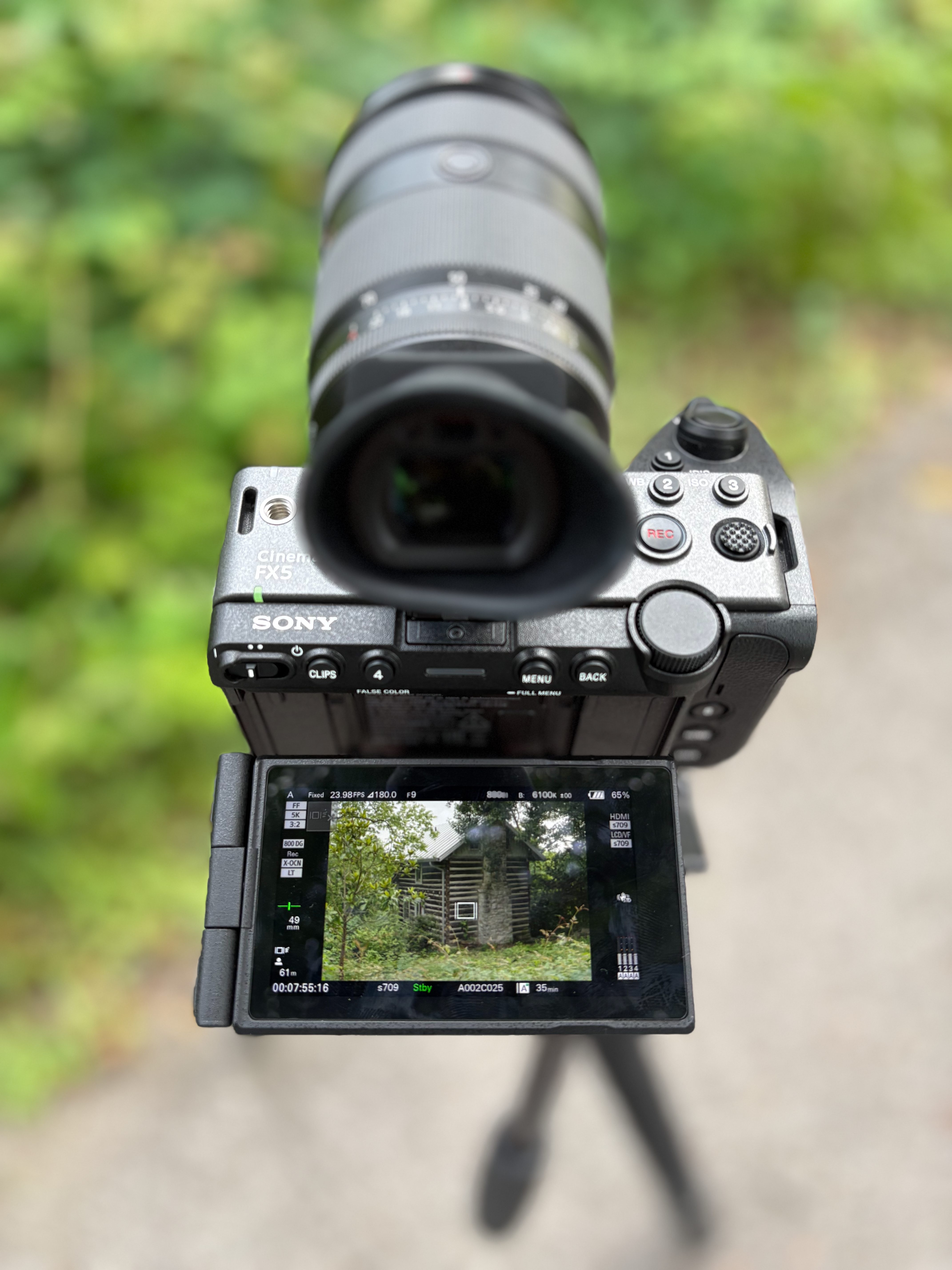
Gimbal Filming
I found the Sony FX5 the most fun to film on the DJI RS5 gimbal. The camera is so lightweight, with zippy, fast autofocus and IBIS, that it felt like I couldn’t help but capture good footage.
IBIS
The Sony FX5 has an incredible IBIS system, but sometimes that’s not what you want for some situations. Sony offers a one-time IBIS removal that cannot be undone. I’ve read that some reviewers/influencers aren’t happy with either option, but I get Sony’s position here. They built in the feature most users may utilize while offering those who want a rigid sensor an option. I imagine rental houses will offer one or two rigid-sensor Sony FX5s for various reasons.
No Photography
I get it, I like it when my mirrorless cameras can take photos along with video. I think this was a boardroom decision by Sony and not the correct one. It forces filmmakers to consider the Sony FX5 or another camera because of this one missing feature. Sony, just go all in.
Built For Whom
The Sony FX5 is for everyone. It’s for the solo-shooter. It’s for the wedding filmmaker. It’s for the documentary filmmaker. It’s for FX6 and FX9 users. It’s for the seasoned professional who needs a camera to go with their FX6, Burano, or Venice. It’s remarkable what Sony built with the FX5. They’ve thrown in something for everyone without cutting too many corners we notice. So, shut up, get out and shoot. Trust me when I say the Sony FX5 is far easier to make wonderful footage with than my first Betacam.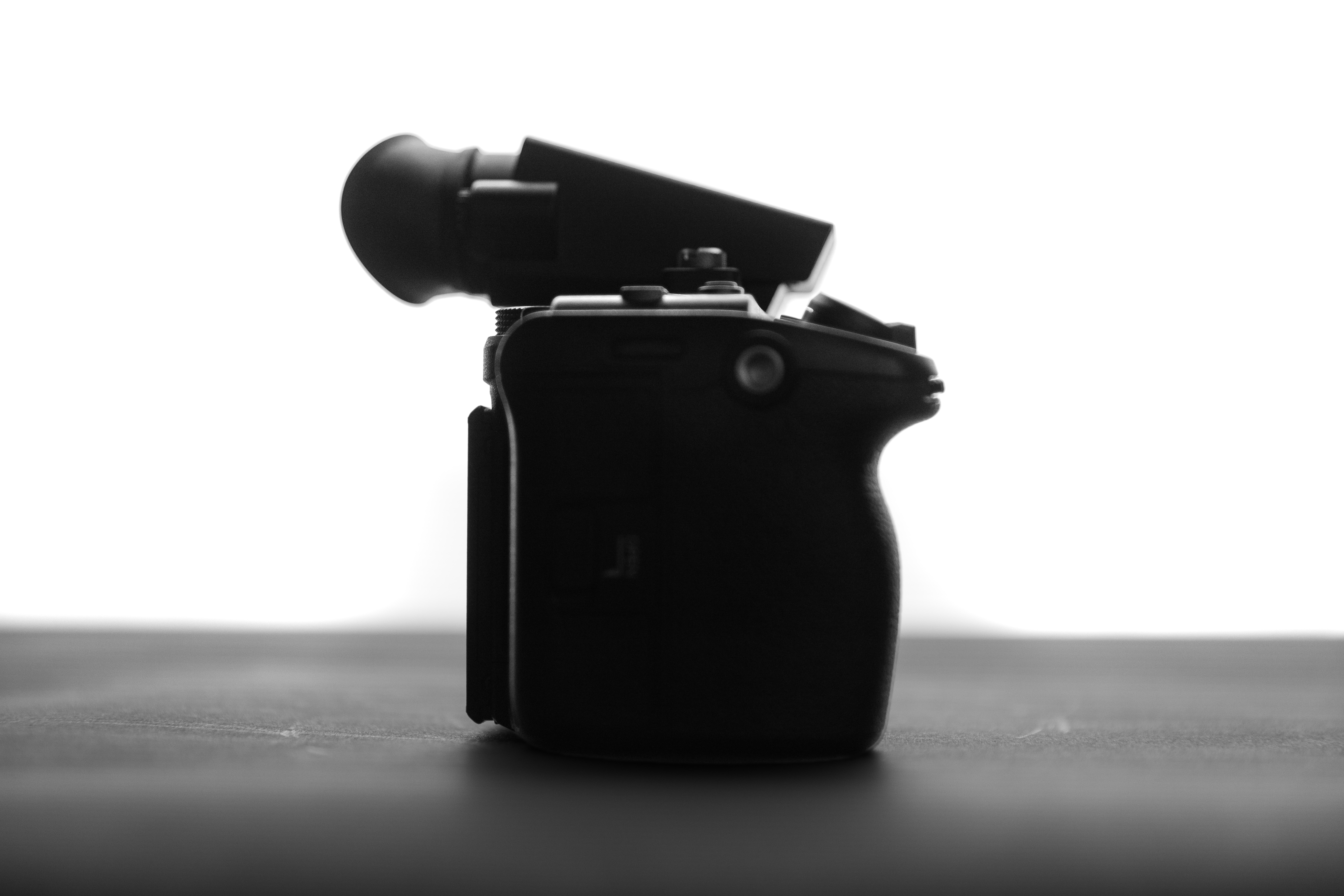
Parting Thoughts
For a mirrorless camera, the Sony FX5 checks a TON of boxes. I think Sony has given everything we’ve asked for in a mirrorless camera. I think we’ll see a ton of Sony FX5s around for many years to come. Now I know the Sony FX5 is on backorder, which is expected for a camera with all the features Sony stacked into the FX5.