

Sony’s new RIALTO 65 combines a 9.6K large-format sensor, dual operating configurations, and a modular camera head, bringing the visual possibilities of 65mm cinematography to a more adaptable production system.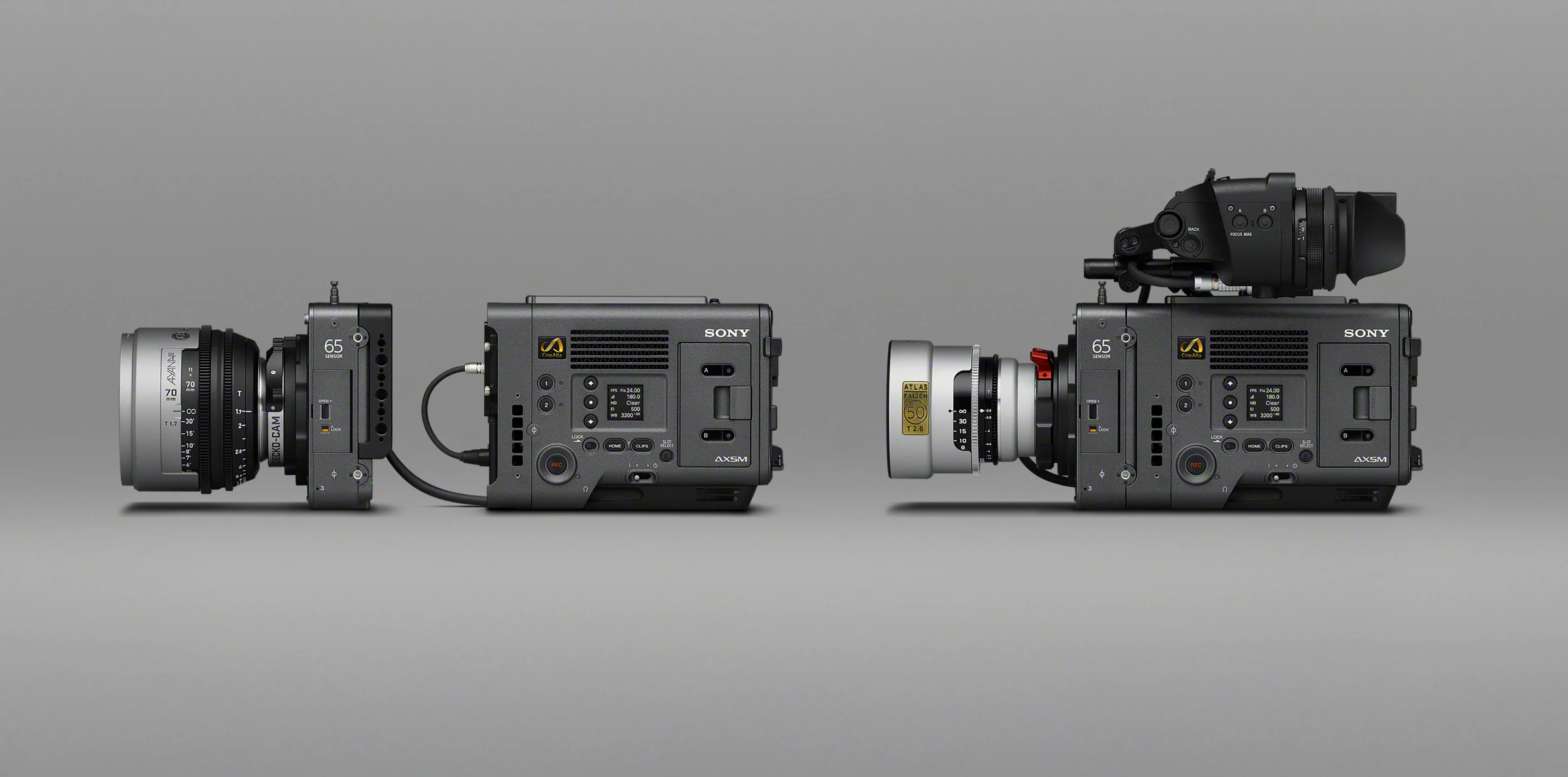
Sony is taking its VENICE 2 cinema camera platform into larger-format territory with the RIALTO 65 Camera Extension System, a new 65mm imaging system designed to expand the creative and physical capabilities of its established digital cinema platform.
Rather than introducing an entirely new camera body, Sony has developed a replacement sensor block that transforms the VENICE 2 into a 65mm-format camera. The approach preserves much of the existing camera ecosystem while offering cinematographers a substantially larger imaging area, new depth-of-field characteristics and greater flexibility in camera placement.
Sony expects the RIALTO 65 to become available in the first half of 2027, with a tentative U.S. MSRP of $80,000.

A Larger Sensor With a Distinctive Cinematic Look
At the center of the RIALTO 65 is a 53.75 x 35.83mm sensor with a diagonal of about 64.60mm. Its 3:2 imaging area is roughly 2.2 times larger than a conventional full-frame sensor, making it one of the largest sensors in commercially available digital cinema cameras.
The system supports 9.6K 3:2 Open Gate capture, along with a 9.6K 2.20:1 readout mode designed to accommodate a wider range of compatible lenses.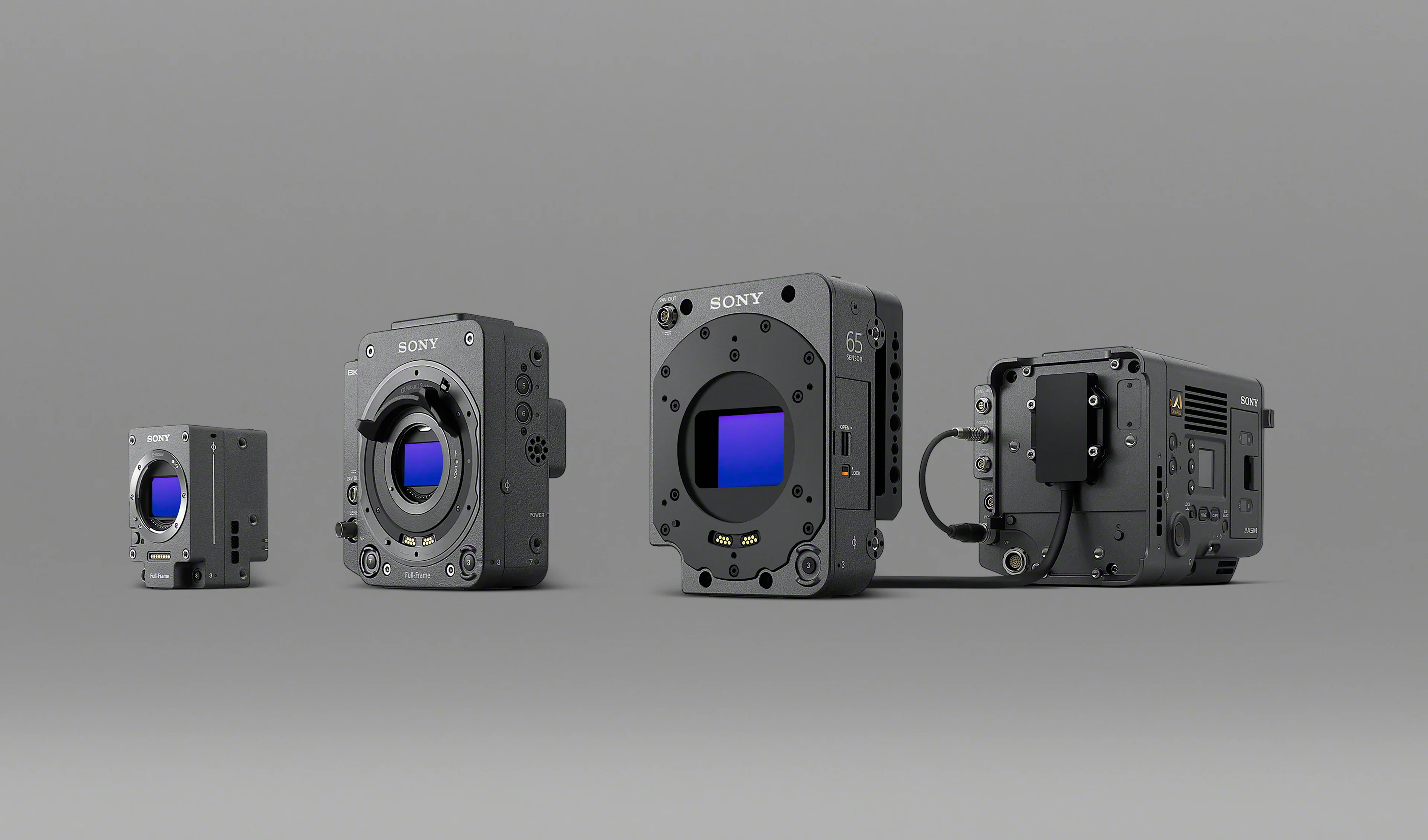
The format’s significance goes beyond resolution. A larger sensor changes the relationship between focal length, field of view, camera position, and depth of field. For cinematographers, that can mean a different way of separating a subject from the background while retaining a strong sense of the surrounding environment.
Sony explored these characteristics in a field test filmed in California’s Mojave Desert, using the landscape to demonstrate how light, framing and depth interact across the larger imaging area.
The result is a format intended for more than simply capturing additional pixels. It gives filmmakers another set of visual tools for creating expansive environments, intimate character portraits and images with a pronounced sense of spatial depth.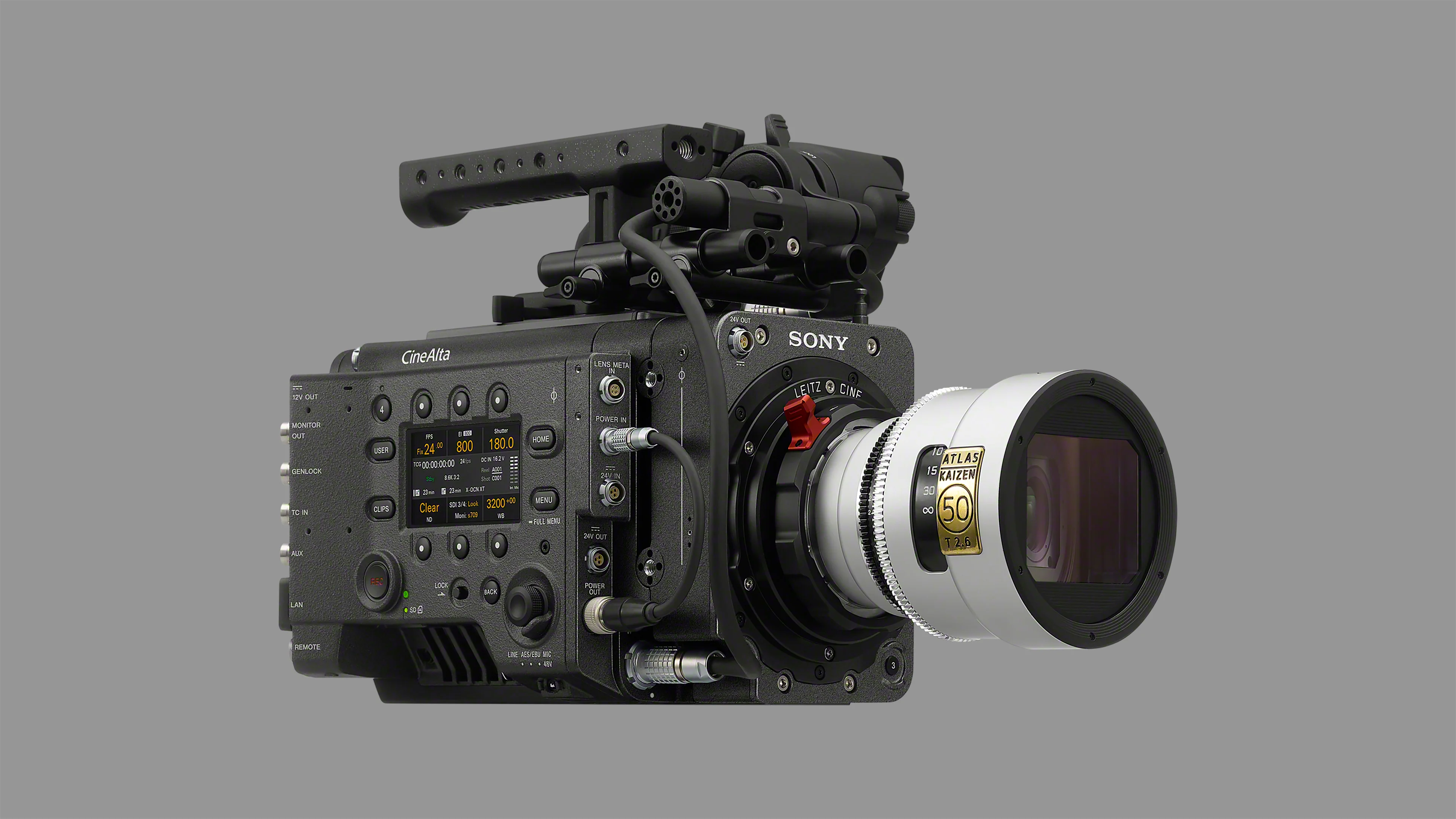
Two Configurations, One Camera Platform
One of the RIALTO 65’s most consequential design decisions is its ability to operate in two configurations.
In Studio Mode, the sensor block attaches directly to the VENICE 2 body, functioning as a replacement for its standard imaging block. This creates a conventional integrated camera package while retaining the recording and operational foundation of the VENICE 2.
Extension Mode separates the sensor head from the camera body using a dedicated cable. The supplied cable measures approximately 4.5 meters (14.76 feet), with an optional 12-meter (39.37-foot) cable available for setups requiring greater separation.
The camera head measures approximately 115 x 154 x 63mm and weighs about 1.5kg (3.3 pounds). Those dimensions are particularly significant for a system designed around a sensor of this size.
Traditional large-format camera configurations can impose substantial restrictions on where a camera can be placed. A compact, cable-connected sensor head opens up additional possibilities for vehicle interiors, tight locations, elevated mounting positions and unconventional camera angles.
For productions that need the distinctive perspective of a large-format image without the physical footprint of a conventional camera package, this modular design may be as important as the sensor itself.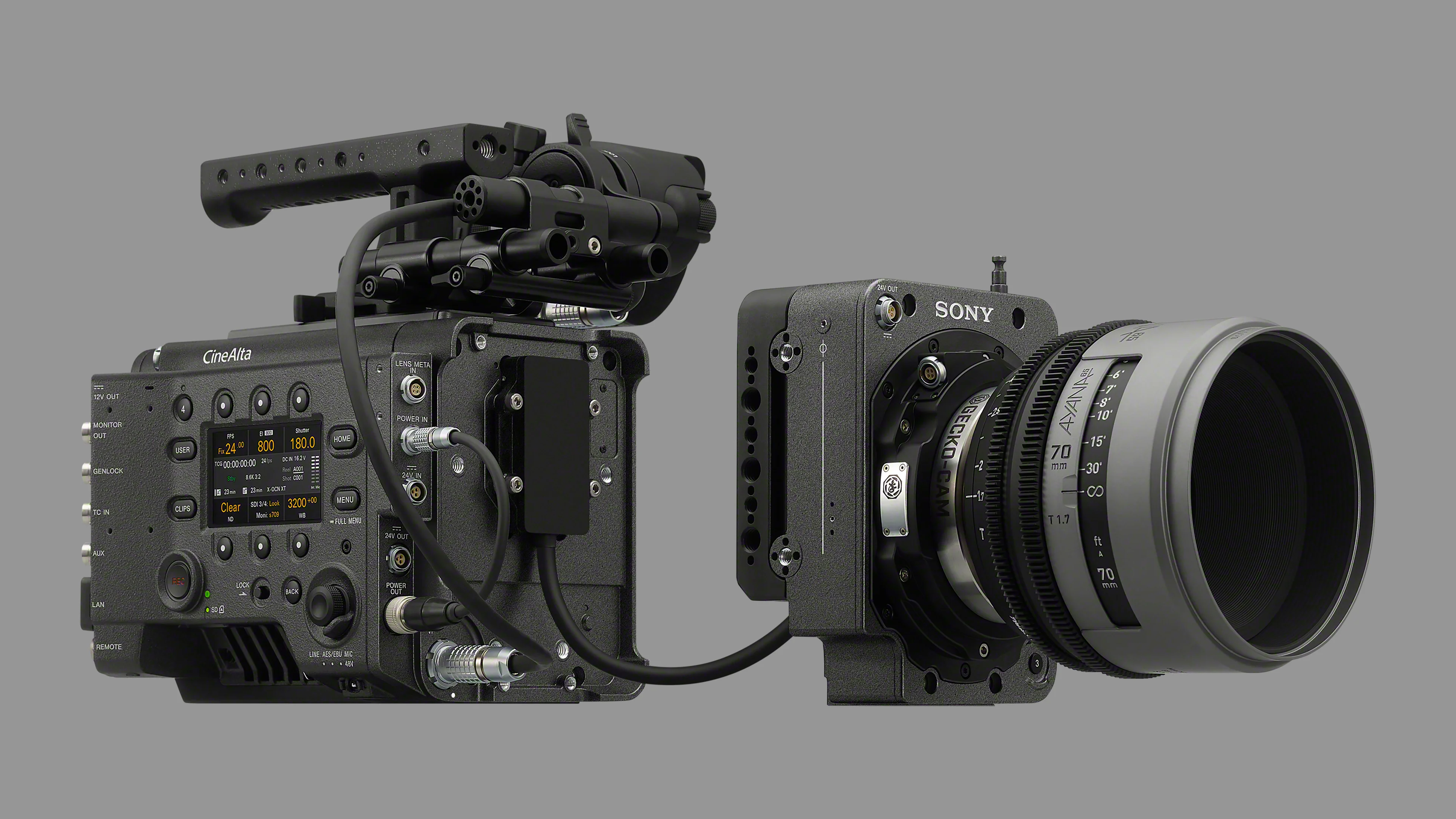
VENICE 2 Image Science and Recording Workflow
The RIALTO 65 retains the VENICE 2 platform’s established imaging pipeline, including Sony’s CineAlta color science, S-Log3 tonal encoding and S-Gamut3 color gamut.
Sony specifies base ISO settings of 2500 and 10000, with more than 15 stops of latitude at ISO 2500. These capabilities are intended to preserve flexibility when working across demanding lighting conditions, from bright exterior landscapes to more controlled interior environments.
The system also supports Sony’s 16-bit X-OCN recording workflow through the VENICE 2 body. Keeping the established recording architecture and AXS media ecosystem gives productions a route into 65mm capture without requiring an entirely new camera platform.
That continuity matters in professional environments, where adopting a new format affects more than acquisition. Media management, editorial, color grading, visual effects and archival workflows all have to accommodate the additional image data.
The 9.6K resolution represents a substantial increase in image area while remaining within a recording ecosystem familiar to existing VENICE 2 users.
Sony also plans to introduce additional sensor readout modes through future VENICE 2 software updates, further expanding the system’s framing options.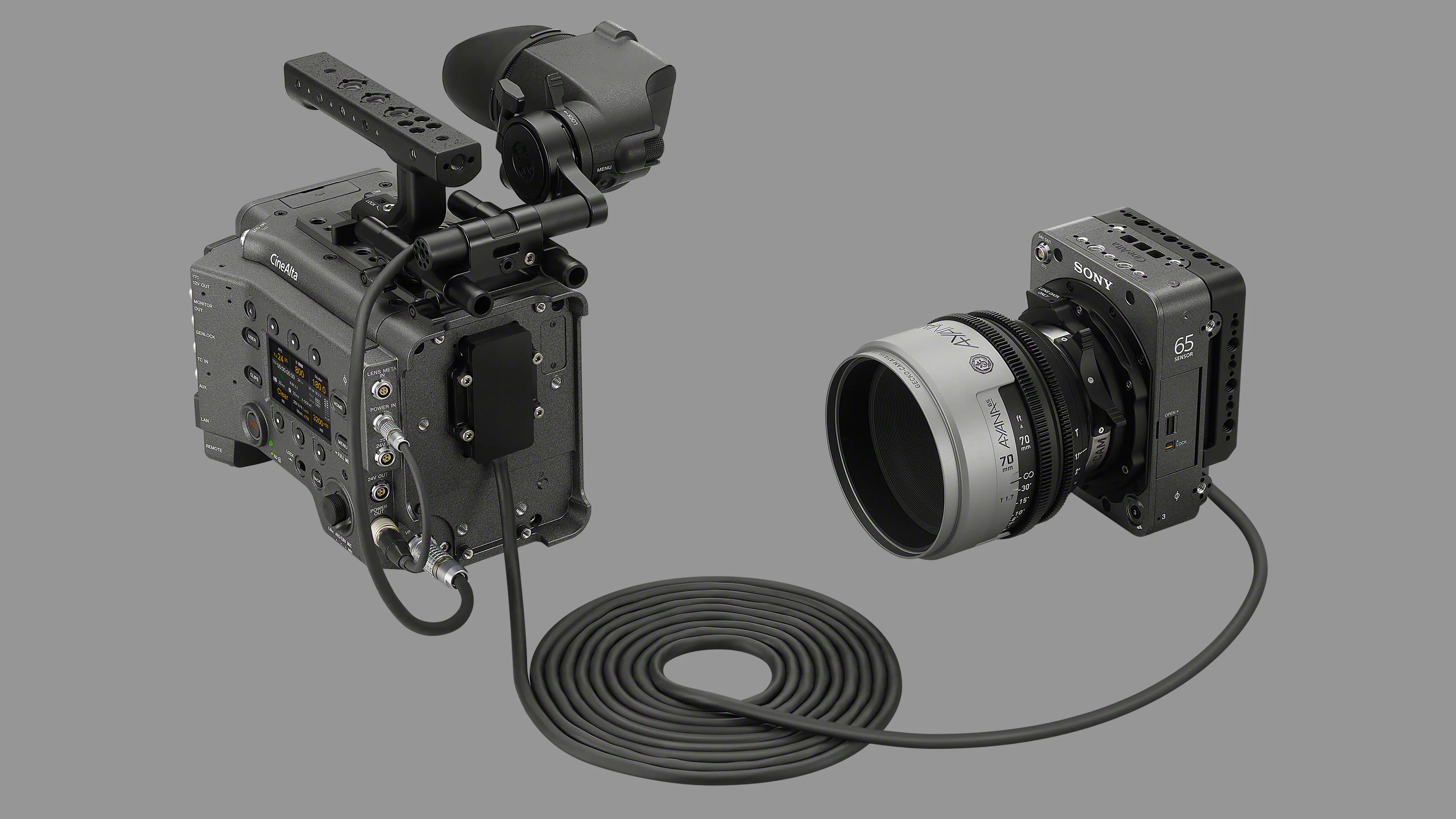
Lens Compatibility and Exposure Control
A sensor this large creates an immediate challenge: finding lenses capable of covering its image circle.
The RIALTO 65 does not include a fixed lens mount. Instead, it is designed to accept third-party lens-mount adapters, allowing productions to select optics according to the project’s requirements.
That approach offers flexibility, but it also makes lens selection an important part of preproduction. Cinematographers and rental departments will need to confirm image-circle coverage, mount compatibility and the intended recording mode before committing to a particular lens package.
The available 2.20:1 readout mode, with a sensor diagonal of approximately 59.04mm, provides another option for working with lenses that cannot cover the entire 65mm imaging area.
When compatible lenses and adapters support camera communication, focal length, focus position and aperture information can be recorded as metadata. Those details can be valuable in visual-effects workflows, virtual production and other processes that depend on accurate lens data.
Sony has also developed a dedicated drop-in neutral-density system. The RIALTO 65 supports 11 types of electronically identified ND filters, allowing the VENICE 2 body to recognize the density information automatically. This replaces the filtration approach used by the standard VENICE 2 imaging block with a system designed for the larger sensor.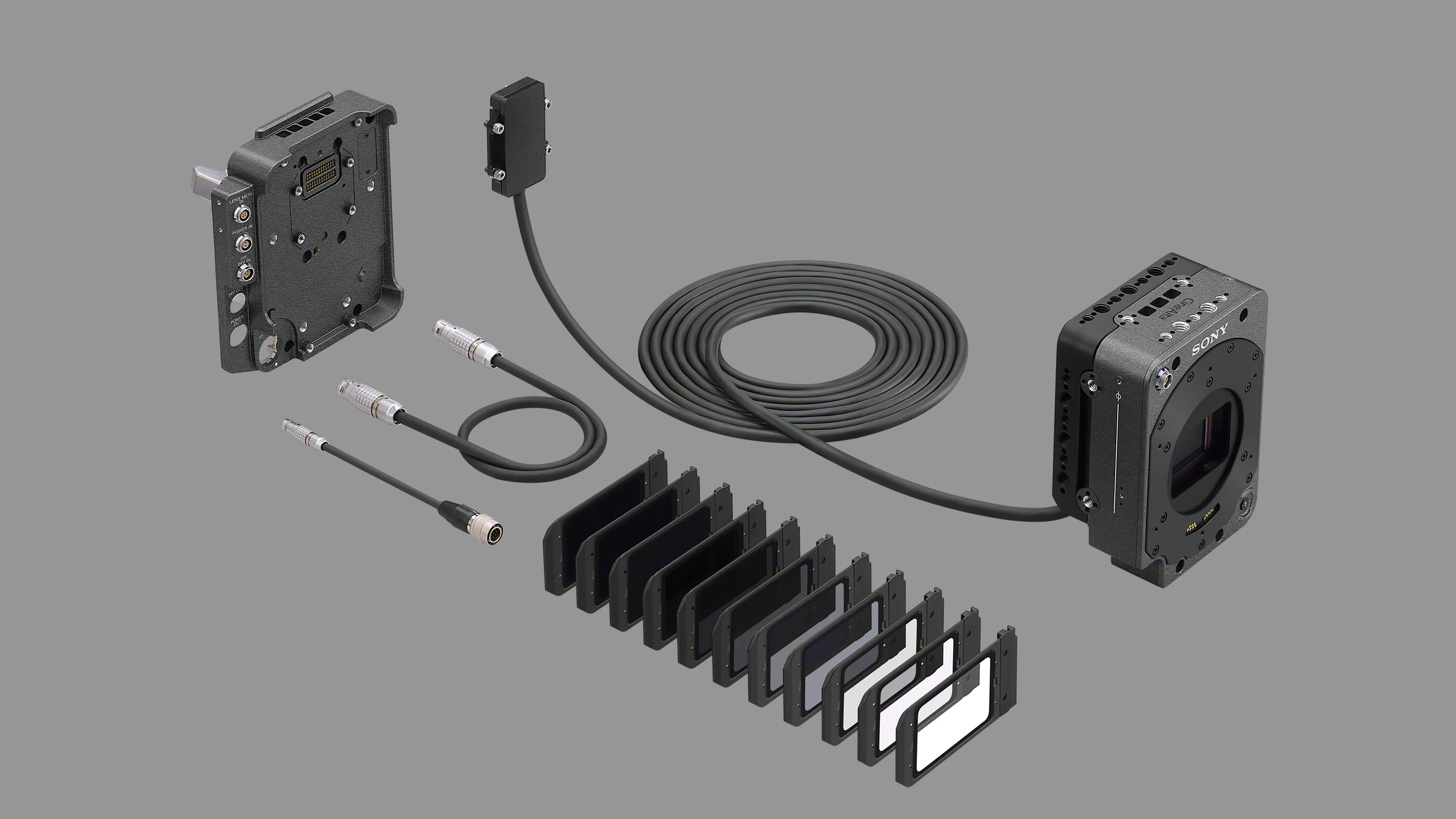
A Specialized Tool for High-End Productions
The RIALTO 65 is unlikely to replace conventional full-frame cinema cameras across the wider production market. Its price, large-format lens requirements and high-resolution workflow position it as a specialized tool for productions with the budgets and infrastructure to take advantage of its capabilities.
Its appeal is more specific: feature films, premium episodic productions and other projects where image scale, depth rendition and the flexibility of a large-format camera system justify the additional investment.
The modular sensor head may also broaden the format’s usefulness beyond traditional studio and tripod configurations. In situations where camera placement is the limiting factor, separating the imaging block from the main body offers a practical advantage that a larger sensor alone cannot provide.
For existing VENICE 2 owners, the upgrade path is particularly notable. Rather than abandoning an established camera system, productions can expand into a different imaging format while retaining familiar recording and operational workflows.
Extending the Life of VENICE 2
The RIALTO 65 represents an incremental but significant evolution of Sony’s CineAlta platform. It combines a much larger sensor with a compact remote head, established color science and a familiar recording ecosystem.
Its ultimate value will depend on the images cinematographers can create, the availability of suitable lenses and how smoothly the format integrates into real-world production and postproduction workflows.
But Sony’s underlying proposition is clear: 65mm digital cinematography does not necessarily require an entirely new camera architecture. By making the imaging block interchangeable and separable, the company is attempting to make the format more adaptable to the practical demands of contemporary filmmaking.
With availability tentatively scheduled for the first half of 2027, the RIALTO 65 gives VENICE 2 productions a new way to pursue large-format imagery without starting their camera infrastructure from scratch.
Sony RIALTO 65 Specifications
- System: Sony RIALTO 65 Camera Extension System for VENICE 2
- Sensor dimensions: 53.75 x 35.83mm
- Sensor diagonal: Approximately 64.60mm
- Aspect ratio: 3:2
- Resolution: 9.6K Open Gate
- Additional readout: 9.6K at 2.20:1
- Base ISO: 2500 / 10000
- Dynamic range: More than 15 stops at ISO 2500, according to Sony
- Recording: 16-bit X-OCN through VENICE 2
- Operating modes: Studio Mode and Extension Mode
- Camera-head dimensions: Approximately 115 x 154 x 63mm
- Camera-head weight: Approximately 1.5kg (3.3 pounds)
- Cable options: Approximately 4.5m standard; 12m optional
- Lens mount: Third-party mount adapters
- Availability: First half of 2027, tentative
- U.S. MSRP: $80,000, tentative