


Many podcast consultants sadly warn their clients never to use commercial music in podcasts, not even under Fair Use. My personal experience and advice to my podcast clients is fortunately the opposite. For many years, I have successfully used commercial music in podcasts under Fair Use, either because it’s educational, parody or both. However, I have been prepared in advance with a pre-published DMCA policy & procedures, in order to have a preventive Affirmative Defense. In the specific case of my CapicúaFM podcast, I have also been including the DMCA policy it in the show’s pre-recorded audio closing. Since I have been doing that, I have not had any important issues. When I say «any important issues», I will explain my two situations with YouTube, before and after doing the pre-published and pre-recorded closing with the DMCA policy and procedure. I syndicate CapicúaFM on YouTube (and many other platforms), even though I selectively never promote that fact on the show. In audio, I only want to promote the show’s own website, since platforms come and go, as have already happened with Google Podcasts and Stitcher, as I covered in Death of Stitcher: a perfect lesson of how podcasters should future-proof their distribution, syndication and promotion. The audio recordings should be future proof, so I avoid promoting any other podcast platform—in audio— and I only promote the show’s own website in audio, on its own websbite. The reason why I syndicate on YouTube and other platforms is only to attract new listeners, never to encourage our existing ones to go there to listen. Of course, I also promote the use of the fantastic Pocket Casts app, which connects directly to the shows Branded RSS.
Many years ago in 2014, when I interviewed Spaniard singer Sole Giménez (ex-Presuntos Implicados, now soloist) on CapicúaFM, I included several examples of her songs. That episode was temporarilly taken down by YouTube’s copyright robot. I appealed the decision and the episode was fortunately reinstated three days later.


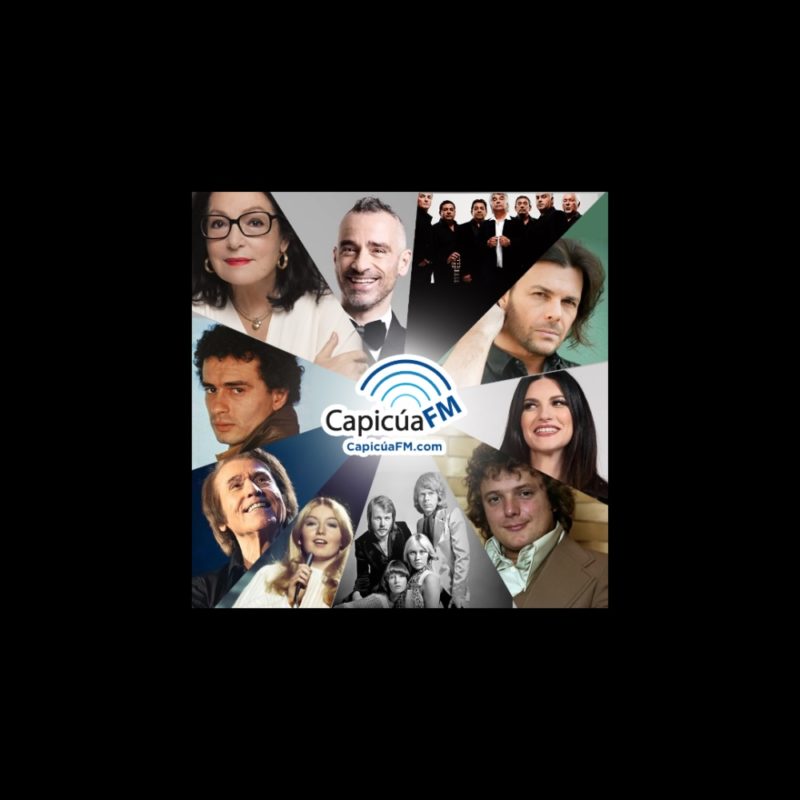
More recently, in November 2025, I published the episode called 10 cantantes europeos seseantes y distinguidores. In the much for recent above CapicúaFM episode from Novmeber 2025 (shown above), María Esnoz and I explored examples of ten European singers from different countries who all sing in Castilian, including many examples like Braulio (from Spain), Raphael (from Spain), the Gypsy Kings (from France), Mary Hopkin (Welsh, famous for the classic song ,Those Were the Days, but I used a clip of her own Castilian adaptation), Nana Mouskouri (from Greece), Pino D’Angiò, Laura Pausini, Gianluca Grignani, Eros Ramazzotti (all Italian) and ABBA (from Sweden). This episode was a scientific study to determine and document which Europpean singers distinguish the sounds of the soft C and the Z (with the English soft th sound) from the S, and which ones are Seseantes, i.e the ones who are in the linguistic category of pronouncing the letters of the soft C and S like a standard S.
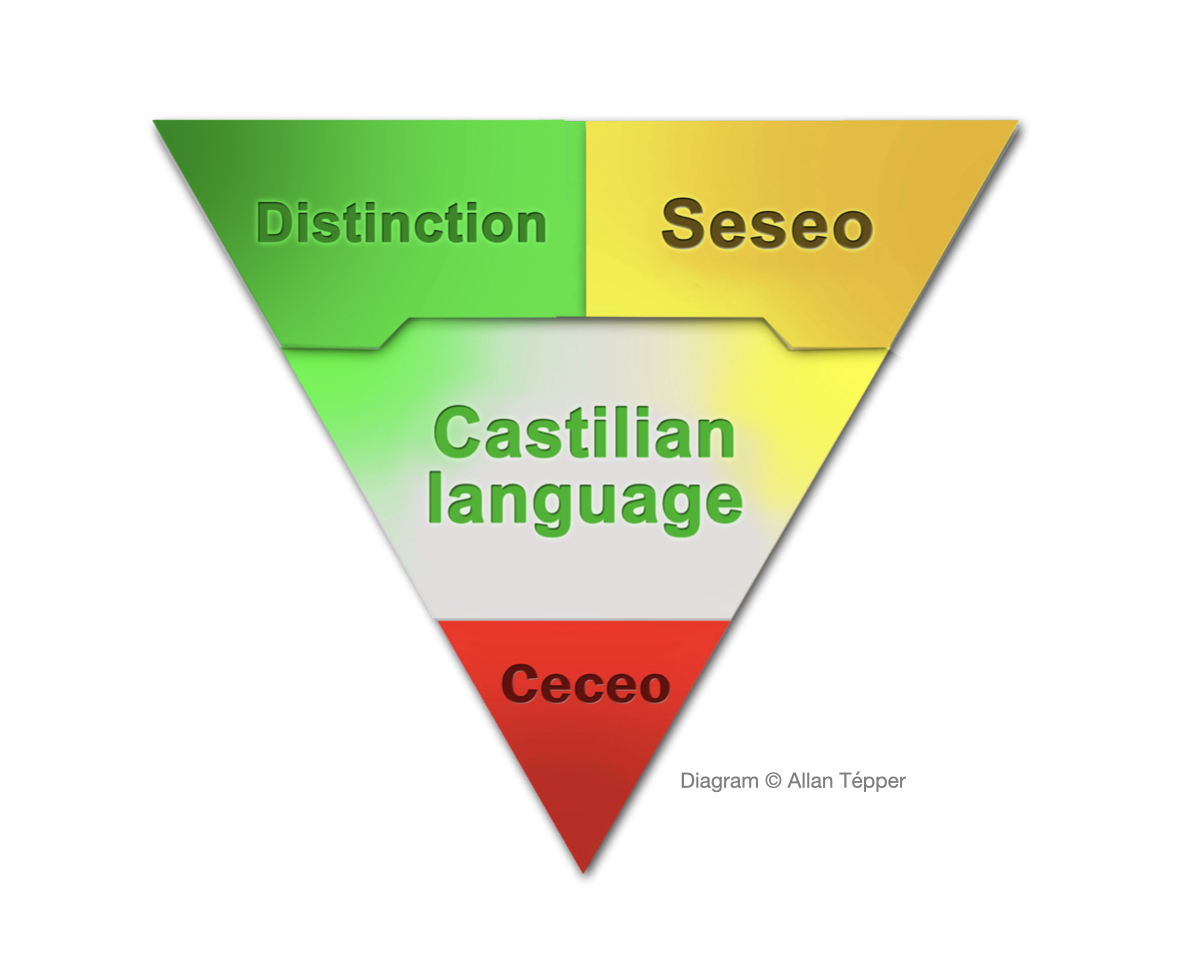

The above is the diagram I made for the Speak Castilian podcast episode (in English) Castilian lisp? Think again!, to document use of Distinction, Seseo and Ceceo, using the three worldwide stoplight colors.
In the much more recent case of the CapicúaFM episode 10 cantantes europeos seseantes y distinguidores (with the 10 European singers and their music played), there was fortunately no general takedown at all from YouTube. Instead, I just got a friendly note from YouTube stating that this particular episode could not be «monetized» (I didn’t care) and had been blocked in a single YouTube territory. That’s not too bad, since this episode continues to play freely in over 130 countries.
Conclusions
If you would like to use music under Fair Use (education and/or parody), a preventive Affirmative Defense is key. I am not a lawyer, but my track record is clear, both in the DMCA takedowns I have implemented successfully (as covered in these articles), and with the preventive Affirmative Defense on podcasts. Keep in mind that all podcast hosting clients on my TecnoTur.LLC platform get assistance with creating their preventive Affirmative Defense DMCA policies at no extra charge.
Lee este artículo en buen castellano
(Re-)Subscribe for upcoming articles, reviews, radio shows, books and seminars/webinars
Stand by for upcoming articles, reviews, books and courses by subscribing to my bulletins.
In English:
- Email bulletins, bulletins.AllanTepper.com
- In Telegram, t.me/TecnoTurBulletins
- Twitter (bilingual), AllanLTepper
En castellano:
- Boletines por correo electrónico, boletines.AllanTepper.com
- En Telegram, t.me/boletinesdeAllan
- Twitter (bilingüe), AllanLTepper
Most of my current books are at books.AllanTepper.com, and also visit AllanTepper.com and radio.AllanTepper.com.
FTC disclosure
None of the listed individuals or companies mentioned above has paid for this article. Some of the manufacturers listed above have contracted Tépper and/or TecnoTur LLC to carry out consulting and/or translations/localizations/transcreations. So far, none of the manufacturers listed above is/are sponsors of the TecnoTur, BeyondPodcasting, CapicúaFM or TuSaludSecreta programs, although they are welcome to do so, and some are, may be (or may have been) sponsors of ProVideo Coalition magazine. Some links to third parties listed in this article and/or on this web page may indirectly benefit TecnoTur LLC via affiliate programs. Allan Tépper’s opinions are his own. Allan Tépper is not liable for misuse or misunderstanding of information he shares.