



Now in its second year, Through Their Lens celebrates the work of blind and partially sighted photographers to show how technology can help reduce barriers and empower creatives to realise their potential. Following last year’s collaboration with Gary Williamson, this latest collection puts Zak’s creative perspective at its heart, inviting audiences to discover the author and how he uses technology to create his images.
When, last year, Sony and photographer Gary Williamson launched the Through Their Lens photography collection for World Sight Day, which is observed annually on the second Thursday of October, the world had a chance to discover Gary’s unique way of seeing while being registered blind enhances his creativity and how creativity and technology can break down barriers for a more accessible future.

Digital cameras made it possible for Gary Williamson to photograph again, after a hiatus of many years, and the project, besides the fantastic photographs created by the author, took us behind the scenes, to understand how the technologies available help creative people as Gary Williamson share their vision with the world.
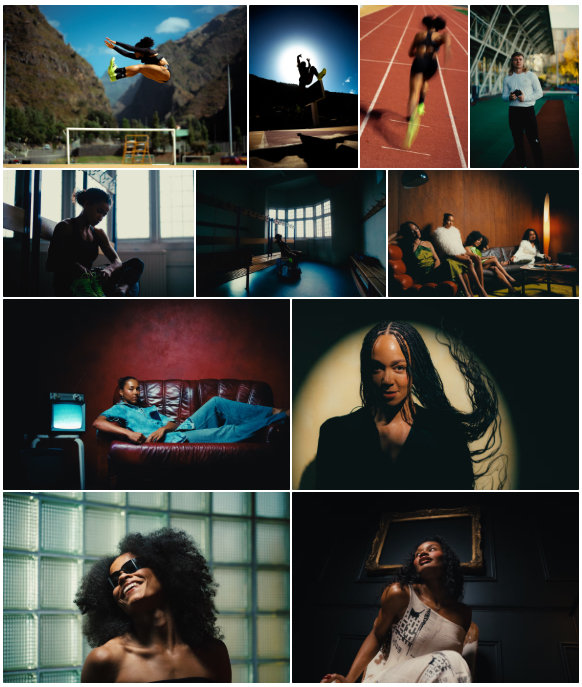
Gary shot his Through Their Lens collection using Sony’s Alpha 7C II E-mount camera, which comes with accessibility features, and this year’s photographer – Zak Skinner – captured his Through Their Lens collection using his own Alpha 7 V full-frame hybrid camera, alongside an Alpha 7R V high-resolution camera, and a FE 24-70mm F2.8 GM II lens. Across the ten images, he used the cameras’ capabilities to bring his creative perspective to life, from capturing movement on the track to experimenting with lighting and composition in the studio.
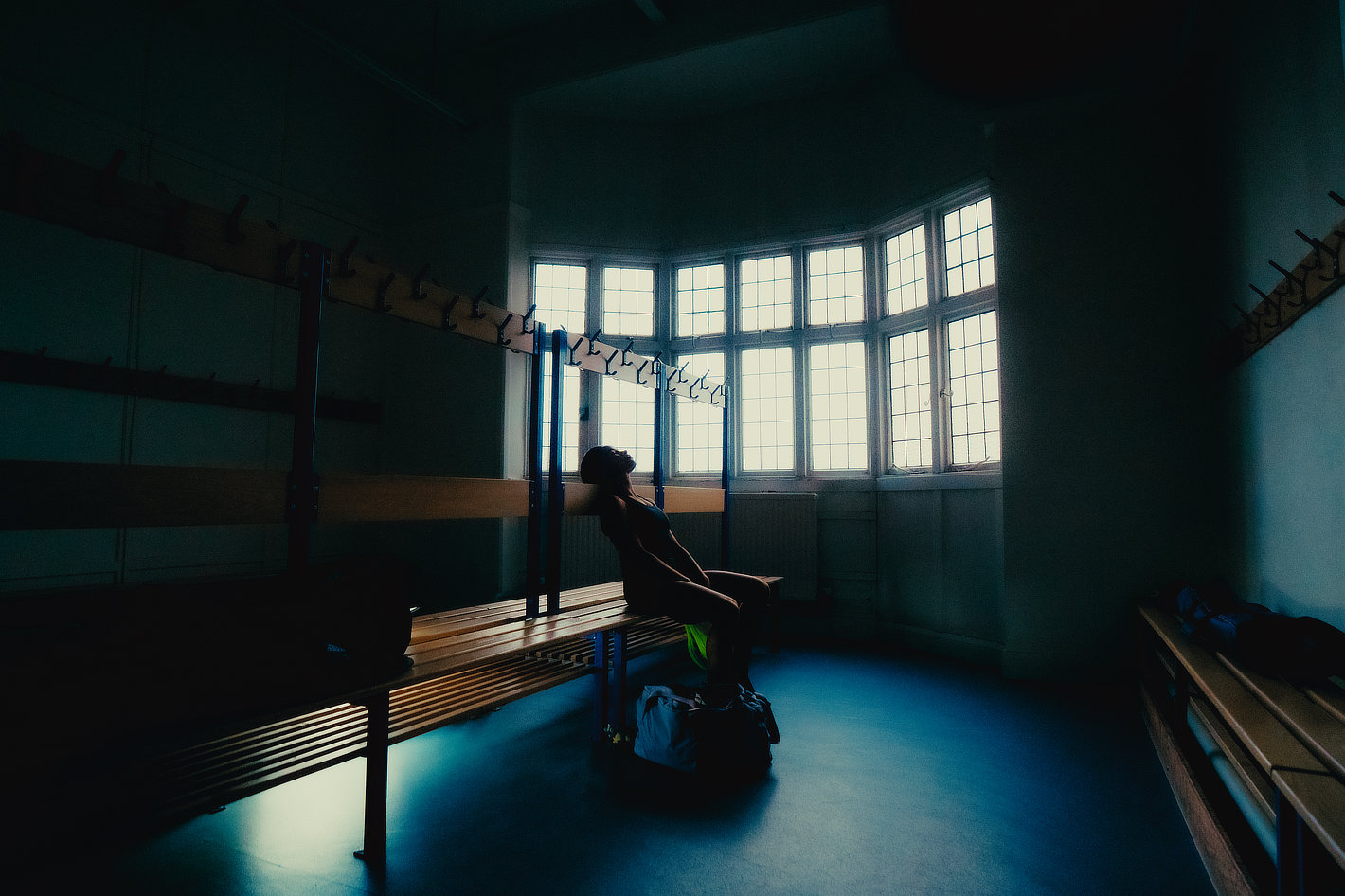
Through the collection, the British Paralympic athlete, photographer and videographer Zak Skinner brings his sporting and creative worlds together in a new ten-image collection. The Through Their Lens series explores how accessible technology can support people with disabilities in pursuing their passion for photography… but it’s also an invitation for audiences to discover the person behind the sporting achievements.
Born completely blind before gaining some sight at the age of two, Zak has ocular albinism, a genetic eye condition characterised by vision abnormalities. His experience includes reduced visual acuity and nystagmus which causes involuntary eye movements and photophobia, or sensitivity to light. Zak competes in both track and field events, having represented Great Britain at the 2020 Tokyo Paralympic Games and 2023 World Para Athletics Championships. Alongside his athletics career, he works as a photographer and videographer with a particular focus on sport.
Zak’s collection draws on the relationship between movement, light and the way he sees. Opening with athletics images before moving into studio photography, it uses techniques such as slower shutter speeds and creative lighting to interpret aspects of his experience. The journey from the track to the studio also explores the identities and interests of athletes beyond their sport.

Working with the Alpha 7 V and Alpha 7R V cameras, Zak adapted the controls to suit his way of shooting. Central to his workflow was Enlarge Screen, which made settings easier to read and adjust. By assigning the function to a custom button, he could access it with a single press, making it easier to work quickly and intuitively.

“As one of the world’s leading digital imaging brands, we have a responsibility to make photography and videography more accessible by reducing product barriers to creativity. This means understanding the different ways people use our technology and developing tools that adapt to their needs. Through Their Lens shows what this means in practice, giving photographers like Zak the freedom to focus on their creative vision and tell stories from their own unique perspective,” said Joe Clark-Jones, Accessibility Promotions Lead at Sony Europe.

Robin Spinks, RNIB Head of Inclusive Design, said, “Zak’s collection is a great example of the creativity and talent within the blind and partially sighted community. Zak’s work and his understanding of the process behind it can help challenge assumptions about who can enjoy photography and pursue it professionally. Features such as screen readers and enlarged menus can make a practical difference to how people with sight loss use a camera. It’s encouraging to see Sony continuing to develop these tools and showcasing photographers who use them. We hope this collection encourages more blind and partially sighted people to explore photography and share their own perspectives.”