

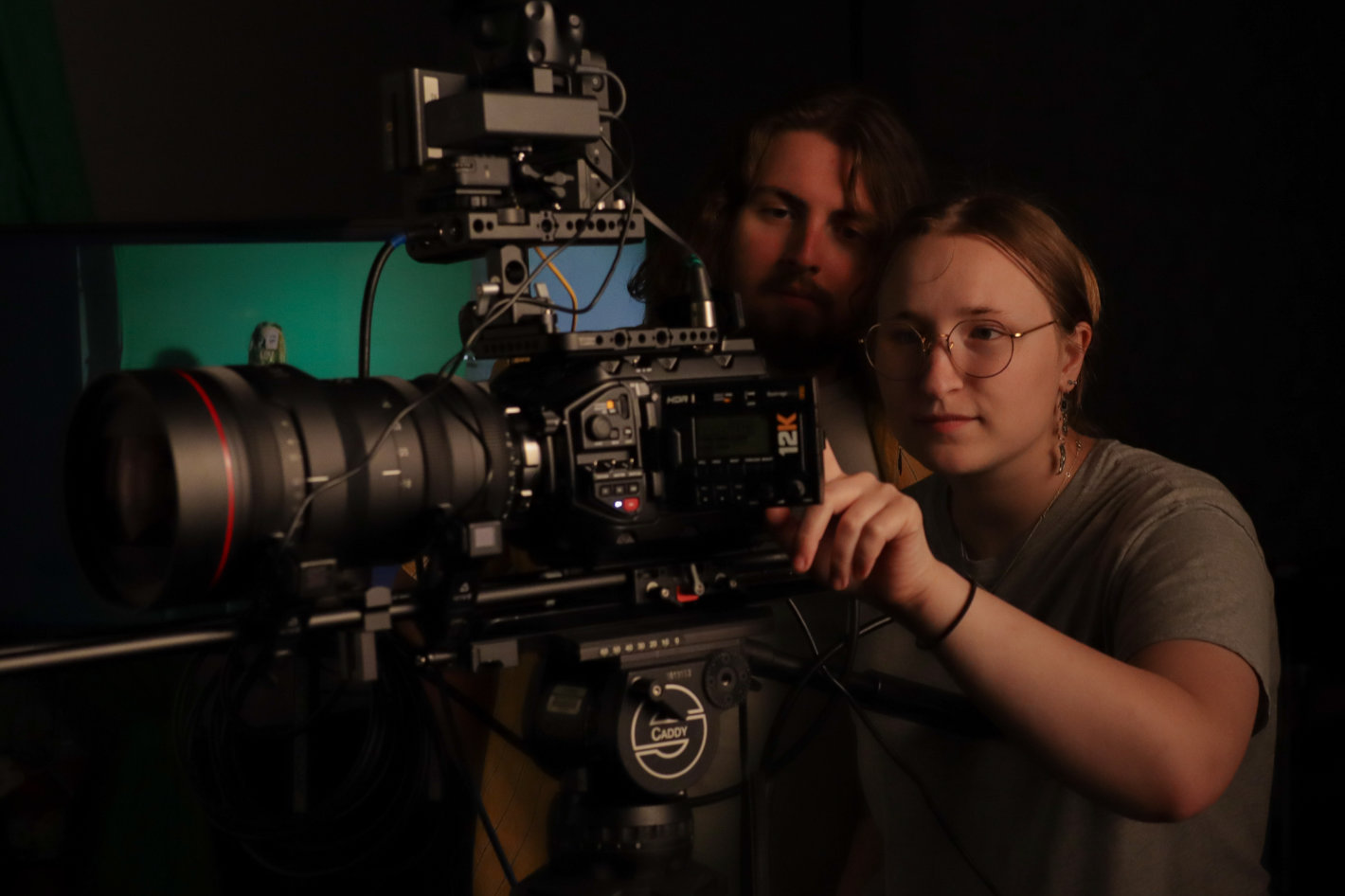

While New Jersey continues to grow as a major national production hub, Rowan University has plans to increase its studio footprint and is developing a series of media workforce and industry partnership programs across the Garden State. The project includes a mobile virtual production teaching setup at Rowan University’s Radio Television and Film (RTF) Department that relies on Blackmagic Design products.
“The potential of virtual production was obvious. But rather than waiting for a large scale permanent LED volume installation, we focused on building a flexible system that would allow students to begin experimenting with virtual production and in camera VFX workflows immediately,” explained Jonathan Mason, Professor of Radio Television and Film at Rowan University. “The goal was to create a mobile teaching setup centered on hands on problem solving, iteration and, of course, storytelling.”

“The design for our virtual production cart came out of that spirit of flexibility,” Mason continued. “We brought together a high end cinema camera, camera tracking, a green screen, a powerful keying system and a real time rendering pipeline built around Unreal Engine. It gives students a way to test how those parts connect and revise their work as they go.”
Current workshop exercises cover camera tracking and greenscreen compositing. The department’s mobile cart contains equipment and software from multiple manufacturers, including Blackmagic URSA Mini Pro 12K OLPF digital film camera, Ultimatte 12 4K compositing processor, DeckLink 8K Pro capture and playback card and DaVinci Resolve Studio. Other components include a VIVE Mars CamTrack tracking system, a green screen, Unreal Engine and a workstation with an AMD Ryzen Threadripper 7970X CPU and NVIDIA GeForce RTX 4080 GPU.
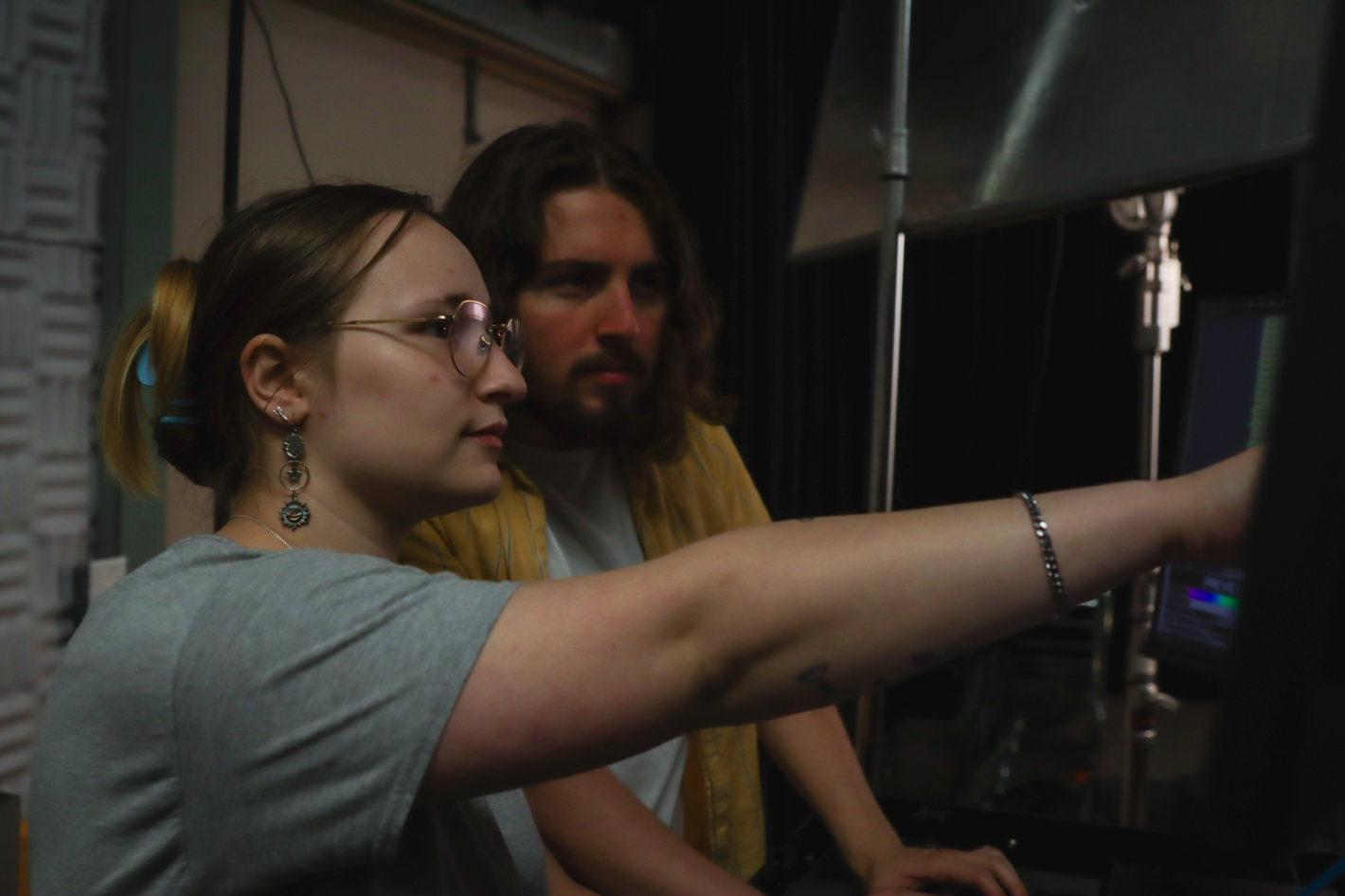
“Virtual production workflows are becoming increasingly accessible to educational institutions, independent filmmakers and emerging content creators,” he concluded. “As these technologies become more widely adopted across the industry, the RTF Department sees training in virtual production and related workflows as essential to preparing students for the future of film, television and digital storytelling.”