


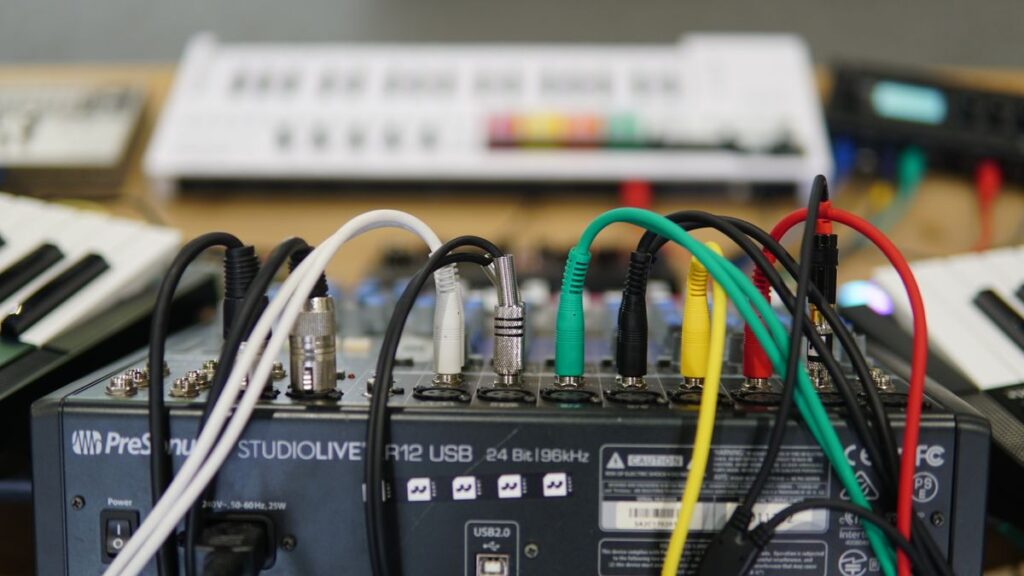

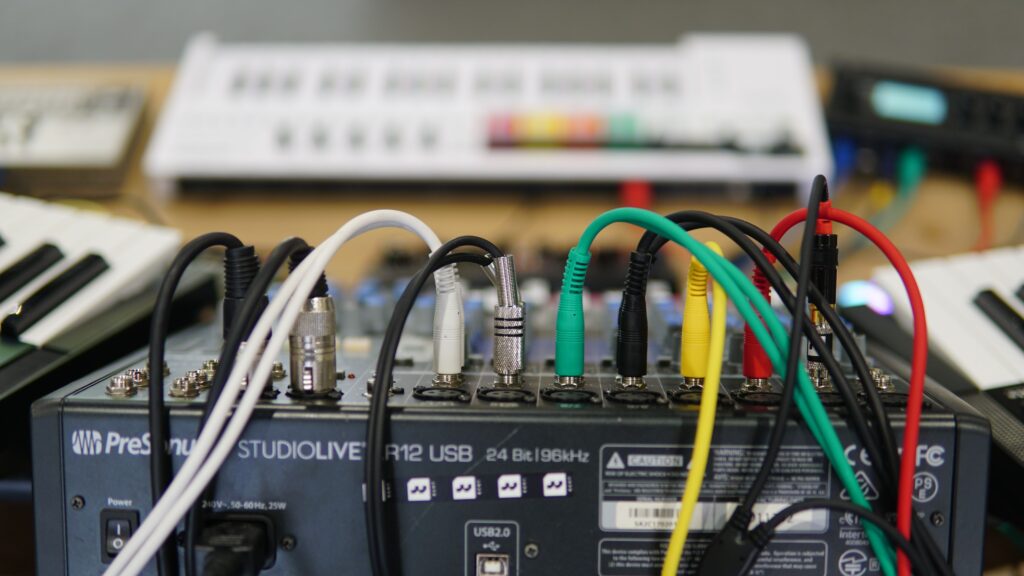
In an active and labor-intensive production environment where equipment is constantly being moved, jostled, transported, tugged, overall put through the wringer, your gear is going to come out the other side a little war-torn. It’s the ultimate inevitability of filmmaking. Nothing remains durable forever. Every scuff and scar is the hallmark of a successful shoot, counting down the days until your old reliable finally gives up the ghost.
Cables are far, far from the exception.
Cables probably suffer the brunt of degradation. They are as fragile as they are robust, a product of how widely they are relied on for moment-to-moment production, regardless of type or function. Even cables that boast rock-solid build quality aren’t immune. They may last considerably longer, but still must eventually face their mortality.
As such, backups and replacements are practically a required consideration when assembling equipment for any given shoot. More often than not, replacement cables are inexpensive, practical, and generally the safest way to proceed with degraded equipment. It’s better to swap and move on than stubbornly hold onto a cable that’s at an increased risk of malfunctioning or starting a fire. Manufacturers such as Mogami offer a wide breadth of inventory suiting different needs, from RCA, to XLR, and patch cables.
However, not every production situation is equal, and there can very well be a moment where a technician may prefer to get hands on.
When to Repair Instead of Replace?
Making this decision comes down to three factors: the type of cable, the severity of the degradation, and, as mentioned above, safety risks.
For starters, damage to the cable jacket is not a death sentence. Not right away. Minor cosmetic wear, discoloration, or superficial scuffing, in most cases, won’t have any bearing on the cable’s actual performance. It’ll just look a little ugly. However, exposed shielding, compromised insulation, fraying conductors, intermittent signal transmission, and visibly damaged connectors are another story entirely.
The good news is that certain cable faults are localized, kept to these specific points of failure while the rest of its components are relatively unscathed. The conductors might still have plenty of life left, even if the connectors have become unreliable through repeated use. In these situations, replacing the affected component is a perfectly reasonable alternative to throwing away an otherwise functional cable.
There’s also the accessibility of maintenance, especially when working with professional audio and video cabling. Connectors, boots, and other termination components are individually sold, offering easy access to replacement parts.
Connectors
Connectors are among the most frequently stressed components of any cable assembly. They’re constantly being plugged, disconnected, twisted, pulled, snagged, tripped, and even stepped on. That’s a lot of abuse, and over time that repeated handling can and will compromise their mechanical integrity, eventually resulting in unreliable connections or, at worst, complete signal loss.
For video technicians working with BNC-equipped coaxial cables, maintaining the integrity of the connector is especially important. A poor termination can introduce signal integrity problems that are difficult to diagnose, particularly in demanding digital video workflows.
Canare offers a number of replacement connector options, including the BCP-D55UHW 12G BNC Crimp Connector. Designed specifically for Canare L-5.5CUHWS coaxial cable, this 75-ohm connector supports 12G-SDI applications, making it suitable for UHD and 4K video infrastructure.
Rather than replacing an entire coaxial cable assembly because of a damaged termination, technicians can potentially retain the existing cable and install a new connector, provided the underlying cable remains in good condition.
Of course, compatibility matters. BNC connectors aren’t universally interchangeable, and selecting the correct connector for the cable in question is essential. Impedance, cable diameter, and connector specifications all factor into the equation. A replacement should always match the intended cable type and application.
Cable Boots and Strain Relief
The area immediately behind a connector is also worth keeping an eye on, as it’s especially vulnerable to repeated bending and flexing. Even in non-production savvy cables, including smartphone chargers, it’s one of the most common points of physical wear.
For a savvy production technician, this is where cable boots come into play.
A cable boot provides additional protection around the connector termination, helping reduce the stress placed on the cable as it bends during normal handling. It won’t make a damaged cable safe or restore compromised insulation, but can at least help protect an otherwise healthy cable assembly from premature wear.
Canare’s CB02 Cable Boot is designed specifically for Canare 75-ohm BNC crimp plugs, but the company offers a wider selection of boots tailored for more types of crimp plugs, including BNC and RCA. Constructed from a resilient elastomer, these little nubs help protect the cable’s termination point against repeated bending and flex fatigue.
Cable boots also come in a breadth of colors, offering the secondary benefit of cable identification. In environments where dozens of similar-looking cables are being routed between cameras, monitors, switchers, and other production equipment, color-coded components can make identifying individual connections considerably easier.
It’s a relatively small addition, but one that can contribute to a more organized and maintainable cable inventory.
Keeping Raw Materials on Hand
Sometimes, there is a point where maintenance becomes more complicated than a simple part swap. A cable may have sustained damage further down the river of its length, or a technician might need something “custom” to accommodate a particularly unusual equipment configuration. In these situations, keeping spare bulk cable on hand can be just as valuable as stocking up on off-the-shelf parts.
Bulk cable is sold without pre-installed plugs or connectors, unlike conventional replacement cables. The result is a spool of cable where the ends are nothing but exposed wire and copper, which can definitely look intimidating, but it gives technicians the flexibility to cut, route, and terminate their own assemblies, working from essentially a blank canvas. It’s a practical option for experienced gaffers and AV techs who often work with specialized equipment, custom rack configurations, and unconventional cable runs. When a production requires a setup to fit within highly specific parameters and specifications, it’s better to get hands on and craft exactly what you need.
In addition to their selection of stock replacement cables, Mogami also offers bulk options covering several professional audio and control applications, often sold by the foot for an added layer of flexibility.
The Mogami 2944-656-BLK Console Cable is a two-conductor, 26 AWG cable featuring oxygen-free copper conductors and a bare copper spiral shield, particularly well suited for custom wiring in mixing consoles, rack panels, and studio equipment.
Elsewhere, the 2948 Bulk MIDI / Synchro Cable uses four color-coded conductors to accommodate MIDI and additional synchronization connections while a served spiral shield guards against unwanted interference.
For more demanding audio infrastructure, Mogami’s multicore offerings provide additional flexibility. The Mogami 8-Pair Multicore Microphone Snake Cable features eight individually twisted and shielded 26 AWG audio pairs, with dedicated drain wires and Mogami’s EZ-ID identification system. The numbered and color-coded construction makes identifying individual channels considerably easier during assembly, installation, and troubleshooting.
The advantage of stocking bulk cable is ultimately the same as stocking spare connectors: preparedness, not being caught unawares, anticipating the moment something inevitably goes up in sparks, fingers crossed not smoke.
Having these raw materials on hand simply opens up more possibilities. Rather than waiting for a complete replacement cable to arrive, technicians have the opportunity to make the equipment their own, a feat more impressive than simply extending its lifespan.
All that said, custom cable fabrication still requires the appropriate tools, connectors, and, more importantly, knowledge of proper termination practices. You can’t have the art without the artisan. Cable specifications must also match the intended application, and every completed assembly should be properly tested before being put back into service.
If not, then definitely prepare an early eulogy for your ol’ reliable XLR.