


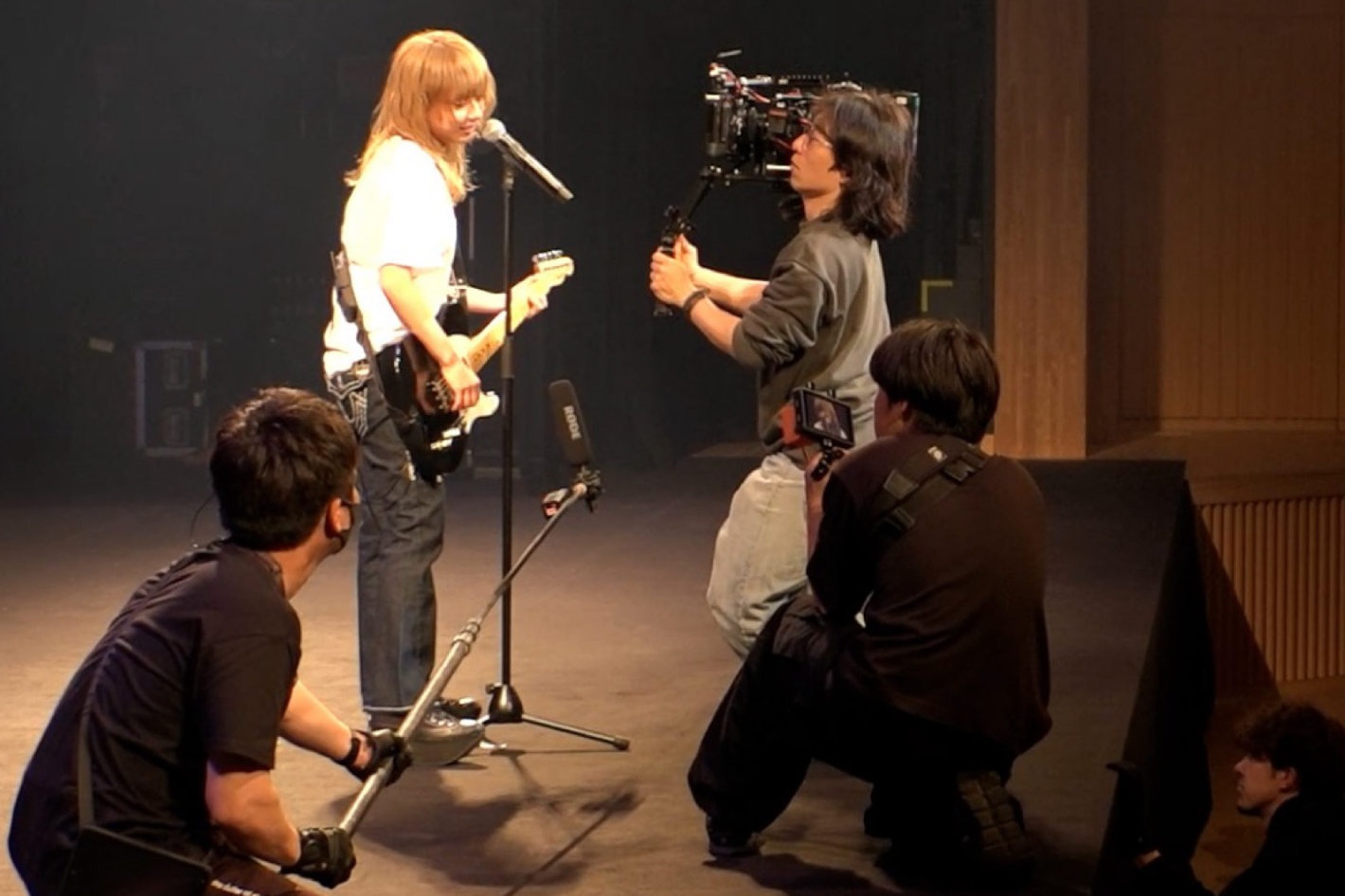
Yugo Sakamoto coming of age drama used a Blackmagic workflow, from capture to editing, grading, visual effects (VFX) and audio post production.
Based on the manga of the same name by Masakazu Ishiguro, Nemurubaka: Hypnic Jerks is a coming of age drama adapted into a live action film by the acclaimed director and screenwriter Yugo Sakamoto, known for the Baby Assassins series and Yellow Dragon’s Village. The film stars Shiori Kubo and Yuna Taira as roommates Yumi Irisu and Ruka Kujirai, who live together in a university dormitory as they search for their own identities and sense of self.

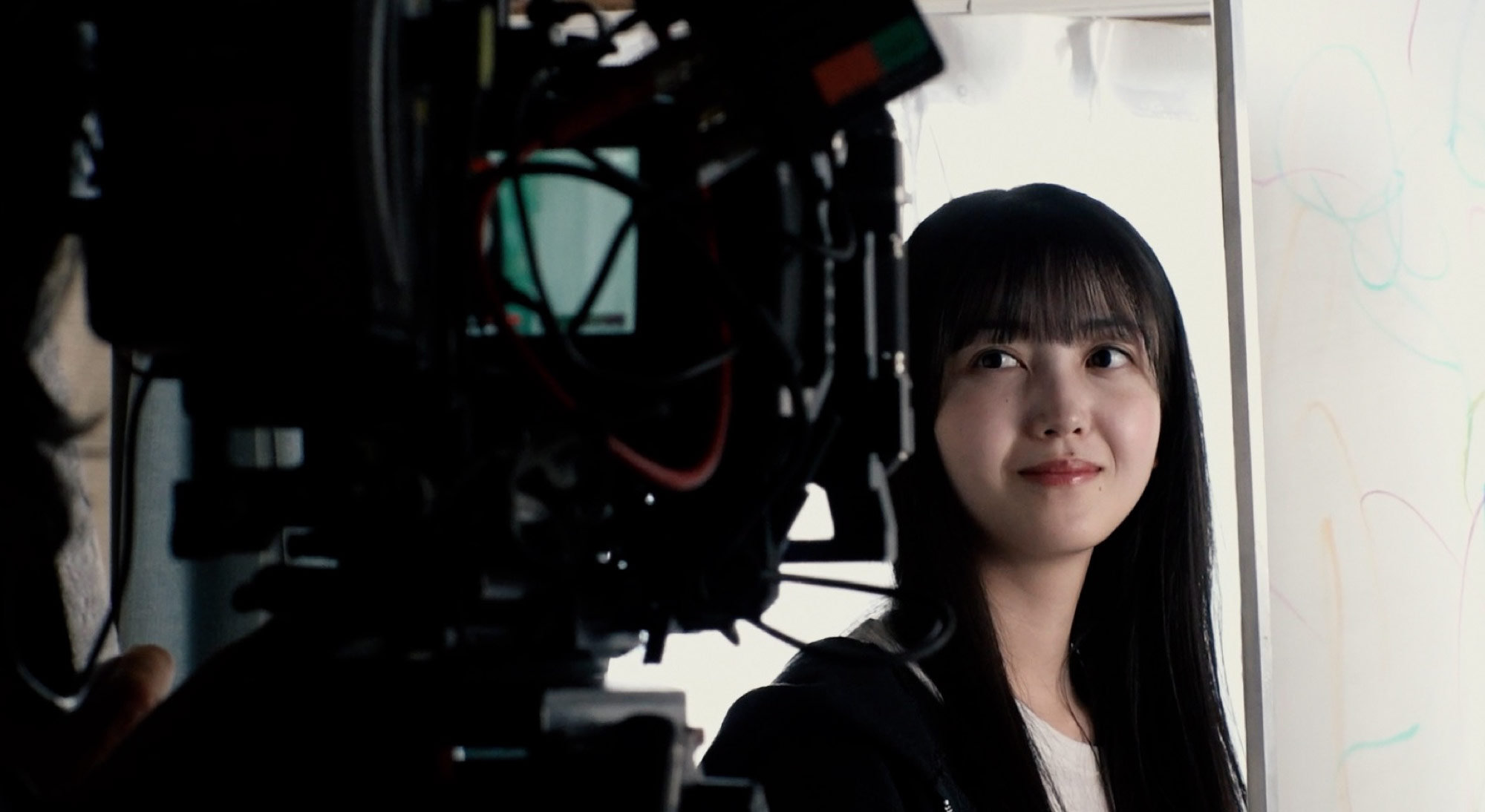
The film was shot on Blackmagic Pocket Cinema Camera 4K digital film camera and graded using DaVinci Resolve Studio editing, grading, visual effects (VFX) and audio post production software with DaVinci Resolve Mini Panel.
Here is what Blackmagic Design shared about the production of the latest film by Director Yugo Sakamoto:
Cinematographer Masaki Watanabe, who worked with Sakamoto for the first time on this project, explained, “Baby Assassins featured many handheld and long take scenes, but for this film, the director wanted a different style, a more grounded camera setup with shorter cuts for each shot.”
“Since we didn’t have much time for camera tests, I chose the Pocket Cinema Camera 4K, which I’m very familiar with. I opted for the 4K model because I wanted to use Canon FD mount vintage lenses. The Micro Four Thirds mount allows the use of Speed Booster FD adapters, making it possible to use FD lenses while expanding the frame size. I thought the soft look of FD lenses would perfectly match this film,” Watanabe continued.
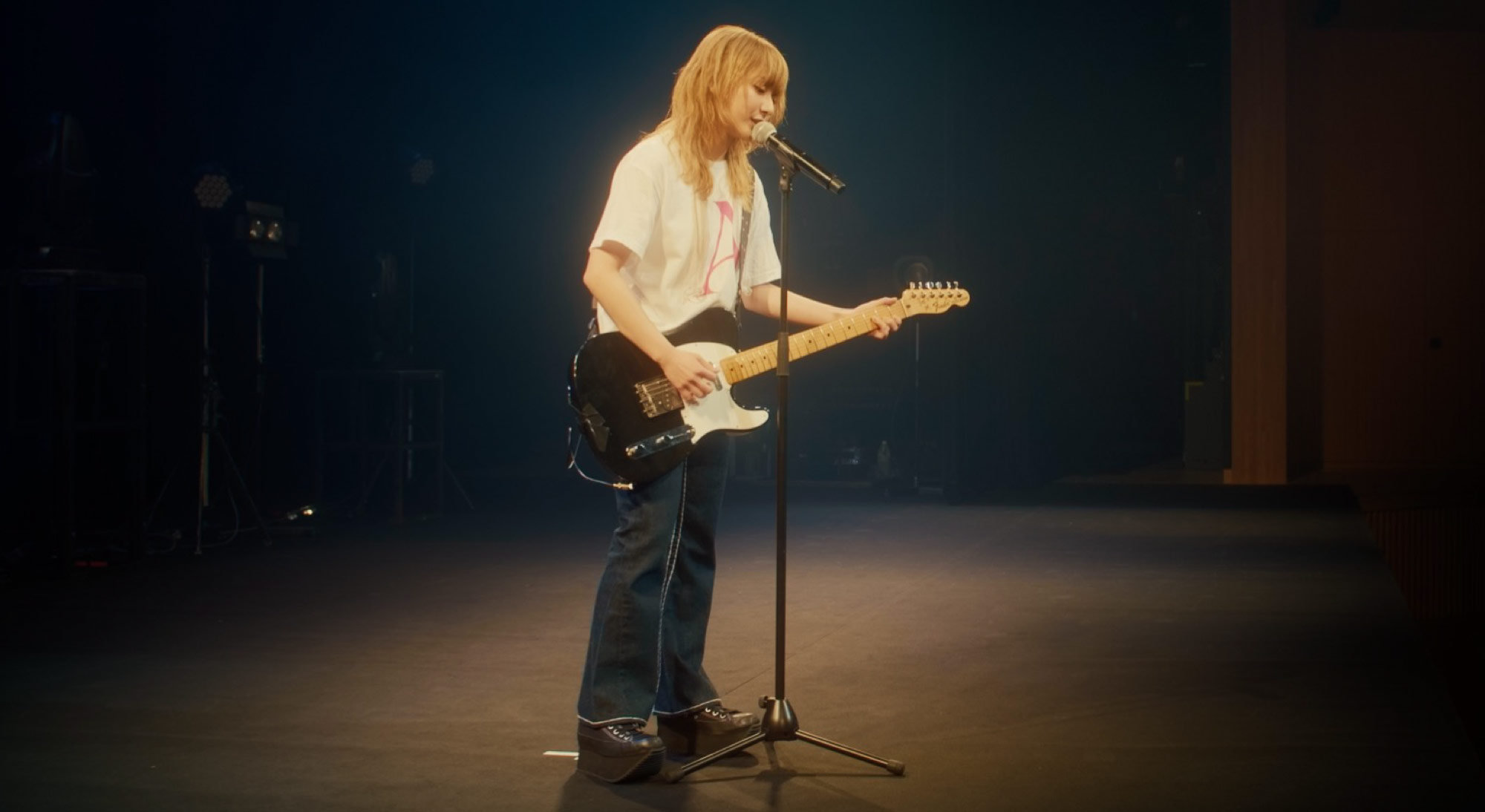
He also mentioned that the compact size of the Pocket Cinema Camera 4K was a major advantage, as the dormitory rooms were very small and larger cameras would have limited the available shooting angles.
Watanabe added, “Normally, I prepare two cameras; one for standard shooting and one for use on a gimbal. However, most of this project was shot single camera, so the fact that the Pocket Cinema Camera 4K can be mounted on the Ronin RS2 was very important. I built a system that allowed the camera to be quickly removed from the rig and mounted directly onto the gimbal, which made it possible to shoot efficiently even with just one camera.”
“For on set monitoring, we used Blackmagic Design’s native Extended Video mode. While pre creating LUTs for monitoring can help visualize the final look, with limited prep time, it can make exposure standards ambiguous. Because measured light values and onscreen brightness often differ, I decided it was best to rely on the optimized native look,” he explained.
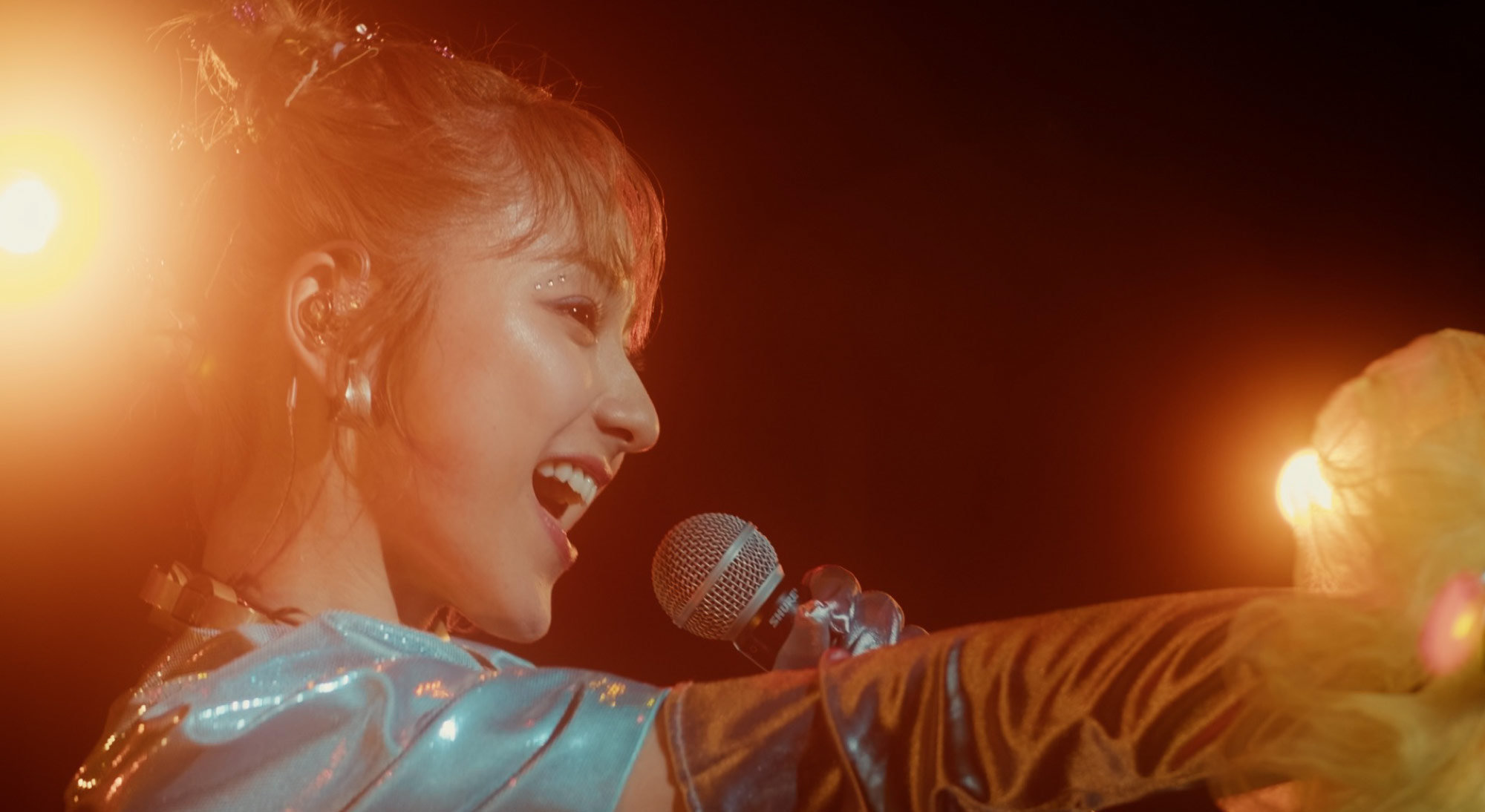
Color grading was done using DaVinci Resolve Studio and DaVinci Resolve Mini Panel. Four general looks were created — for daytime, nighttime, the opening live scene, and the final concert scene — and were applied as needed.
“This was my first time working with Takamitsu Hoshiko, the colorist. Since I shot with Rec709 (Extended Video) as the base look, he said the overall tone of the film held together well even when adding creative color touches in grading. He also mentioned that Blackmagic Design cameras contain rich metadata, which made the workflow smoother,” Watanabe said.