

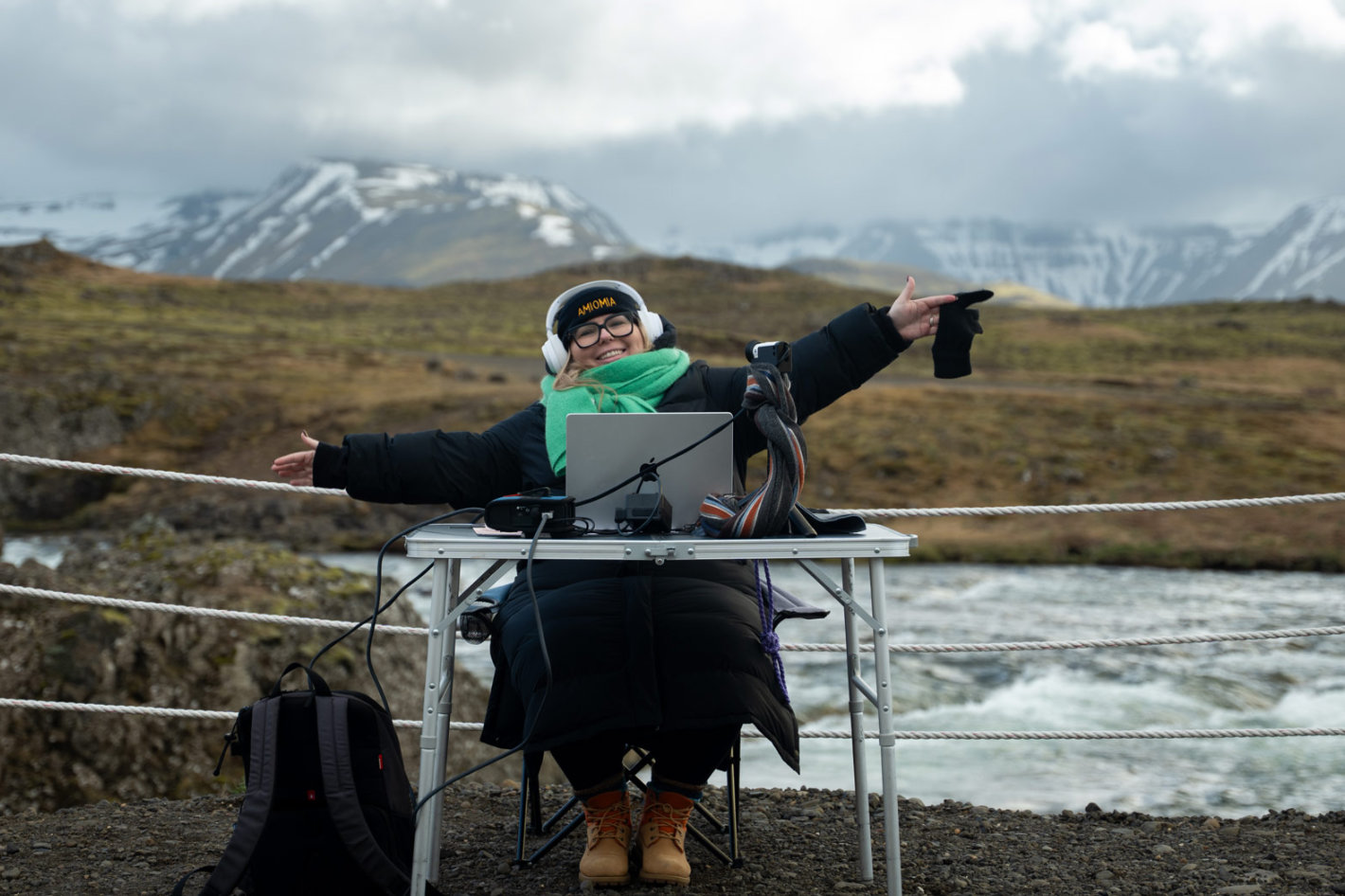

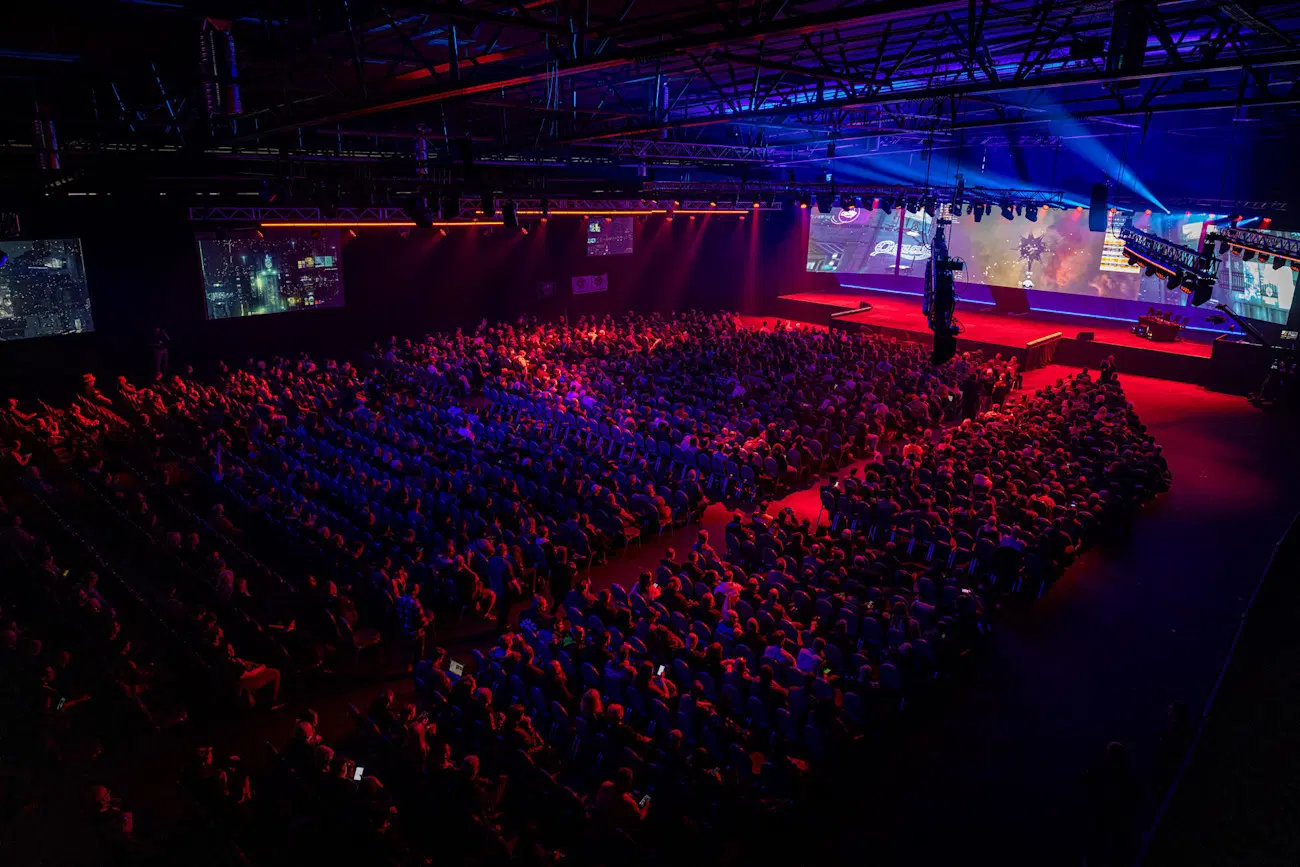
Blackmagic Design announced that Twitch streamer Amiomia, together with partner Albert-Jan van Leeuwen, CTO and co-founder of Lion Productions, executed an ambitious Iceland Gaming Expedition for EVE Online Fanfest 2025 using Blackmagic Design technology. The expedition transformed Amiomia’s EVE Online gaming coverage into an immersive, mobile broadcast experience with more than 200 players remotely joining live battles hosted from a 6,500 year old volcanic crater.
“After a successful IRL livestream from last year’s FanFest, where Amiomia brought behind the scenes content which the community loved, this year, we wanted to take it a step further,” van Leeuwen explained. “So the idea of the Iceland Gaming Expedition was born.”

Why Iceland? Because EVE Online, a persistent-world massively-multiplayer online role-playing game (MMORPG) with space as the background, was developed and published, in 2003, by CCP Games, an Icelandic video game developer based in Reykjavík. EVE Online continues to attracts new gamers in 2025.

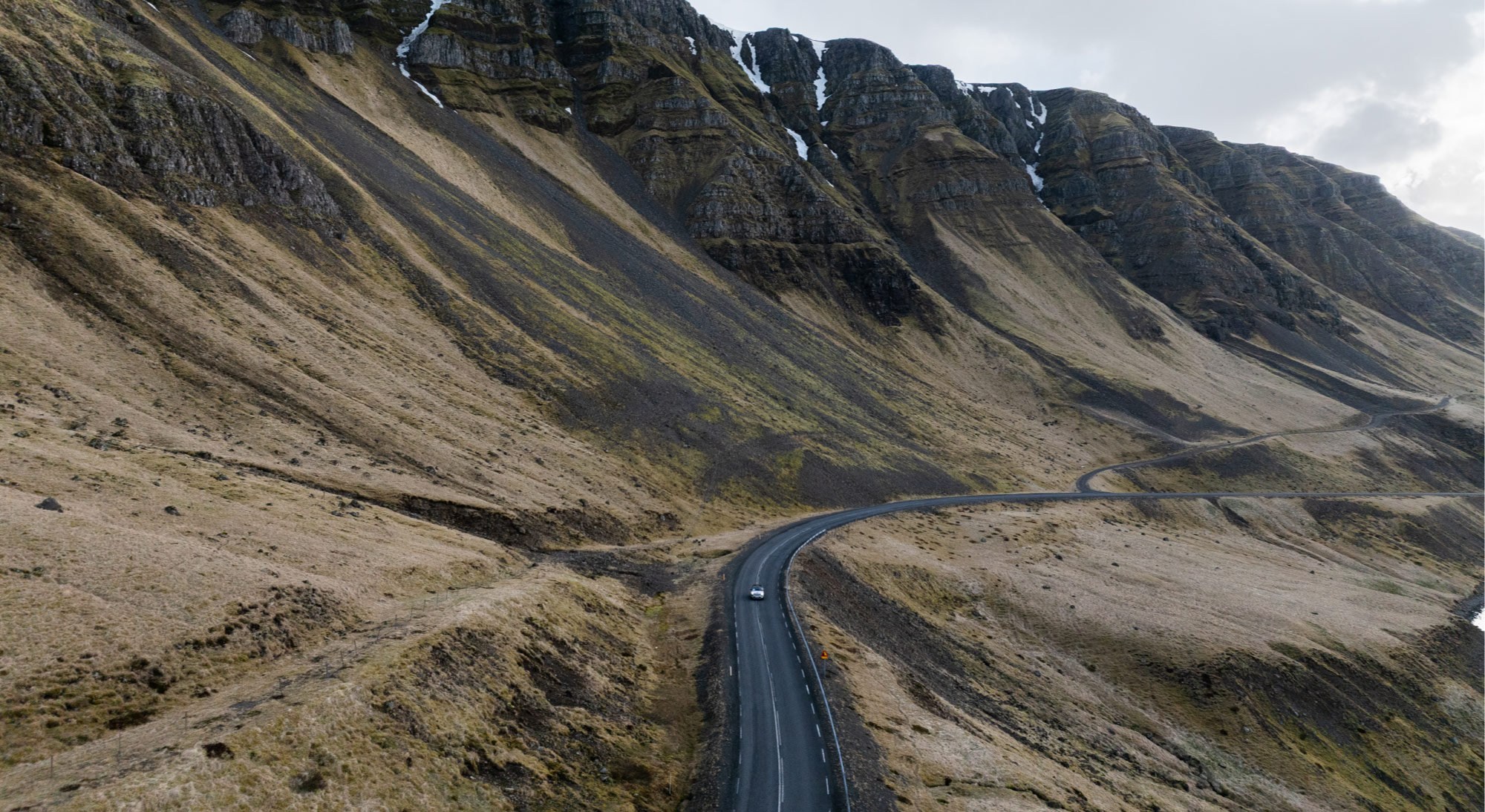
Blackmagic Design shared information about the Iceland Gaming Expedition project, stating that “through their company Lion Productions, Amiomia, who is also an EVE Online partner, and van Leeuwen outfitted their vehicle with Blackmagic Micro Studio Camera 4K G2s and an ATEM Mini Extreme ISO live production switcher. The setup was used to livestream gameplay and community interactions from Iceland’s volcanic craters, waterfalls, and additional breathtaking remote locations.”
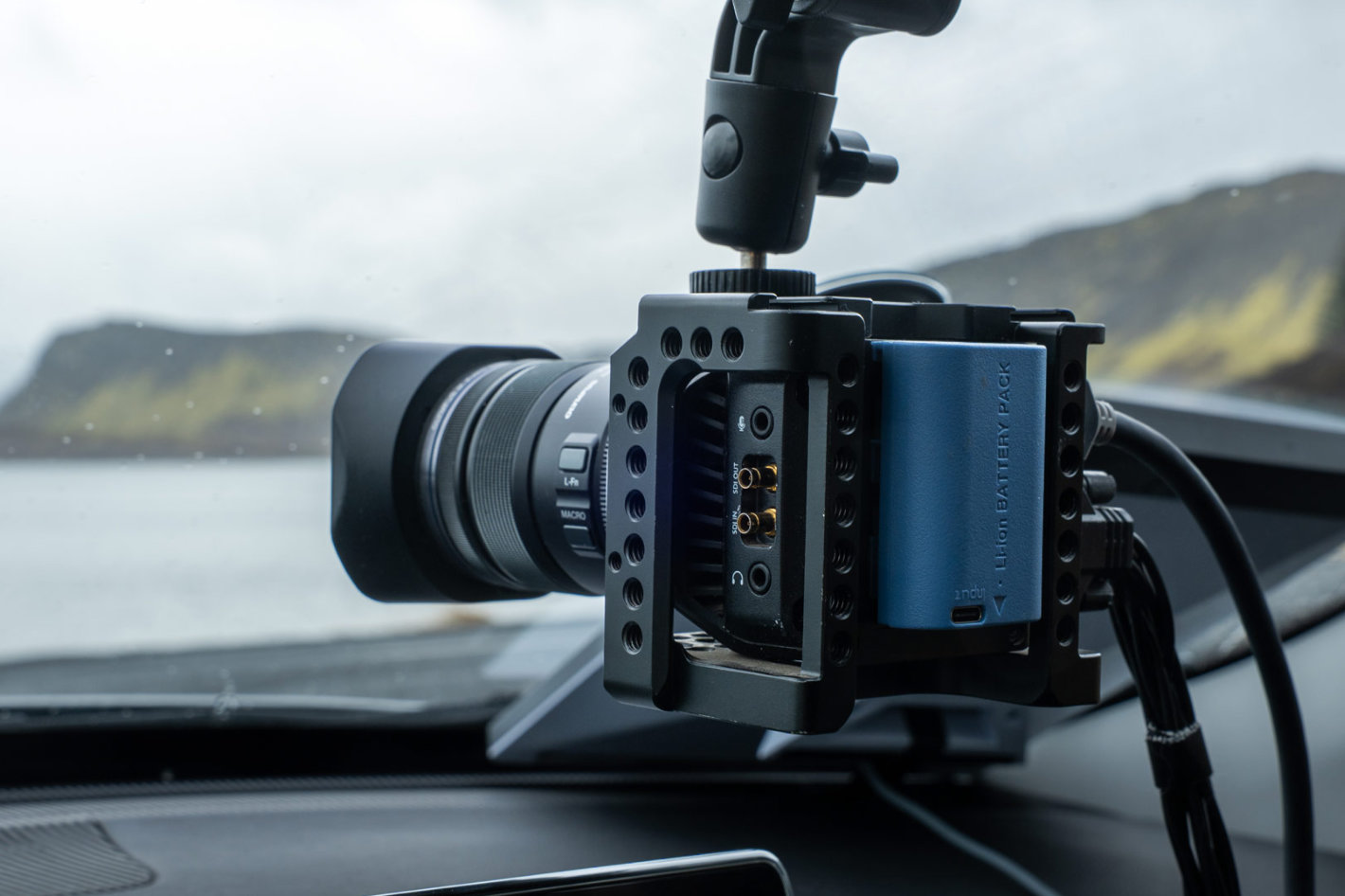
An ATEM Mini Extreme ISO handled camera switching and color correction via a laptop from the passenger seat, with the ATEM’s SuperSource essential to creating picture in picture overlays integrating game content with camera feeds. “The switcher gave us the ability to record ISO feeds from all cameras,” explained van Leeuwen. “We were also able to shade all three Micro Studio Cameras using the ATEM Software Control on a laptop operated from the front passenger seat, which came in handy when the lighting inside the car changed frequently.”
Despite challenging conditions, production maintained connectivity through LiveU units and Starlink Mini for internet backup. “There were two locations where we lost all 4G and 5G. Starlink was our only internet, and it never fell off,” van Leeuwen said. “We had one day of nonstop rain. We streamed from under a tarp next to the car, but the show went on.”

The approach attracted sponsor interest and demonstrated how mobile production can transform event coverage into immersive experiences. “As gamers would say, we touched the grass!” van Leeuwen concluded.