



For me, LinkedIn used to be a place where you could connect with other professionals, keep up with what’s happening in your industry, find new opportunities, and learn something along the way. Somewhere along the line, that seems to have changed. These days, I find myself wondering if LinkedIn is more interested in keeping us scrolling, selling subscriptions, and showing us content we never asked for. I ask myself this question almost every day: Why do I keep coming back to LinkedIn? Reddit is my social media platform of choice, and there’s a great subreddit called Expectation vs. Reality that pretty much sums up how I feel after spending about 10 minutes on LinkedIn. I always go in hoping to find something interesting. Maybe I’ll discover the next big industry trend, hear that someone I know has landed their dream job (which I would be genuinely happy for), or check out some new training (which all seems to be stale now, but we’ll get to that later). Instead, I’m greeted by an endless feed of content that has little to do with what I’m interested in. Who is all this stuff supposed to be for? It certainly doesn’t feel like it’s aimed at me.
Then there’s that little number staring me in the face. As I write this, it’s 22. 22 profile views. Who’s been looking at my profile? Maybe a potential employer or client? Oh, right. If I want to find out, I’ll need to pay for LinkedIn Premium. Never mind. Maybe I’ll look for some training instead. LinkedIn bought Lynda.com back in 2015, and it was a great resource, especially for those of us working in creative industries. Now, I can barely find the experience I remember. And the sales pitches don’t stop there. Even when you’re looking for a job, LinkedIn finds ways to push Premium. Job postings can have multiple prompts encouraging you to upgrade, right when you’re trying to find your next opportunity. Think about that for a second. You might be out of work, worried about paying the bills, and trying to figure out what comes next. Finding a job is stressful enough without being asked to pay for another service that you may not be able to afford. You’re there to find work, and before you’ve even landed an interview, LinkedIn is already trying to sell you something.
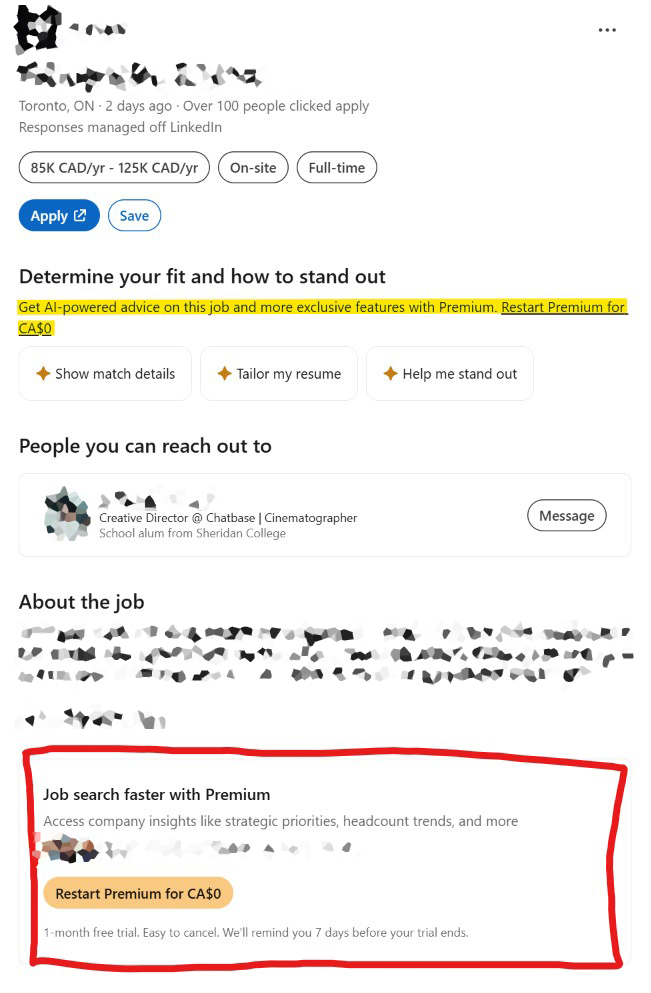

I get it. LinkedIn is a business, and businesses need to make money. But there’s something wrong with constantly pushing paid subscriptions on people who might already be struggling financially and are using your platform to try to get back on their feet. Surely, helping people find work should count for something, too. And that’s my problem with LinkedIn. There’s so much going on that it’s hard to figure out what the platform is really about anymore. The things that made it useful seem to be getting buried under endless posts, promotions, and sales pitches. I can’t help wondering who LinkedIn is really trying to serve, and why it’s become so different from the platform I used to enjoy. Let’s start with the feed.
Problems with the Feed
Let’s start with the feed, because this is where things really start to fall apart for me. First, there’s the moderation, or what feels like a lack of it. I’m not sure who’s deciding what belongs in the feed, but a lot of what shows up has little to do with professional networking, industry news, or even anything remotely related to my work. And then there’s the whole connections-of-connections thing. You’re not just seeing posts from your connections. You’re also seeing posts from their connections, and connections of their connections. Did you get all that? Yes, when you see a little +2 or +3 beside someone’s name, that’s how far removed they are from your network. But why am I seeing these posts in the first place? I see recycled Reddit videos, random viral content, and posts that have absolutely nothing to do with my industry. If I wanted to spend my time scrolling through random internet content, I’d go to Reddit. At least that’s where I choose to do it.

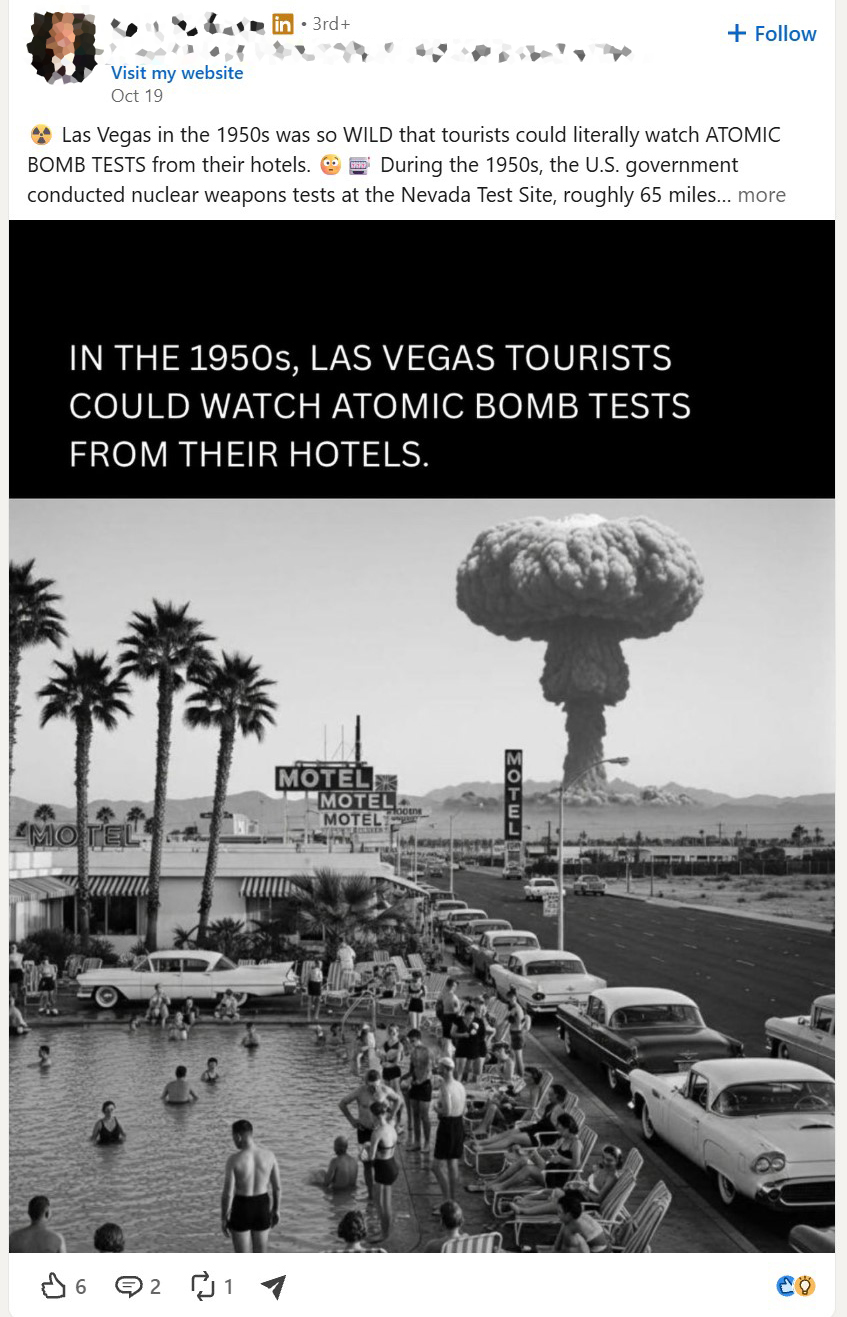
I actually decided to test this. At one point, I had almost 1,000 connections on LinkedIn, so I removed nearly 900 of them to see what impact it would have on my feed. Surely, cutting my network down that much would make a difference, right? Honestly, not really. My feed hasn’t changed much at all. I’m still seeing posts from people three connections removed from me, and most of it is still stuff I have no interest in.

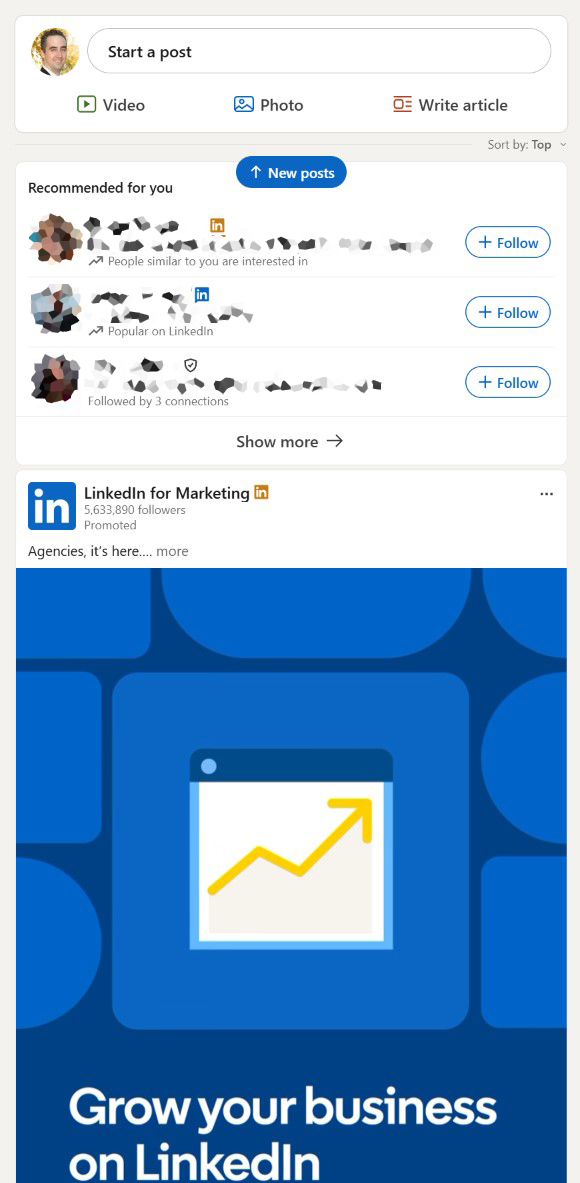
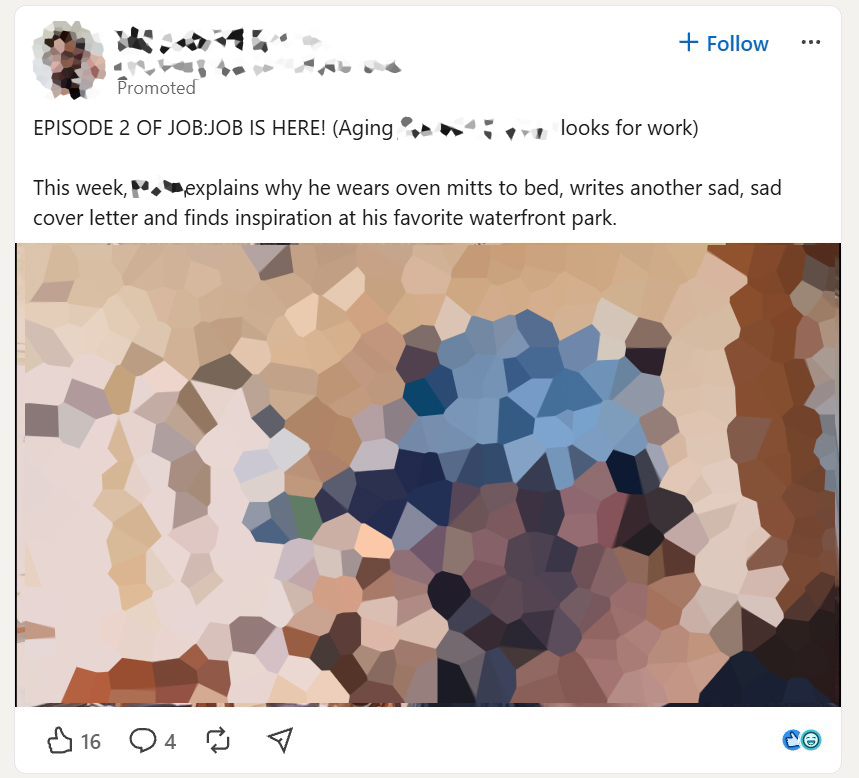
So what’s the point of carefully building a professional network if LinkedIn is going to fill my feed with content from people I don’t know anyway? Here’s the funny thing: even Facebook seems to do a better job of this. At least there, I can see what my friends are posting and more of the topics I’m interested in. And when an ad shows up, it’s usually pretty obvious that it’s an ad. LinkedIn is a different story. Sponsored content can blend in with regular posts, making it harder to tell whether you’re looking at something someone genuinely wanted to share or something a company (or another Linkediner – If that’s what I can call them) paid to put in front of you. I mean, at the end of the day, the “promoting” posts is really just a way to say clickbait, but in a much nicer way. And that brings me to an example that really sums up what’s wrong with the platform. Take a look at the “ad” I’ve included here.

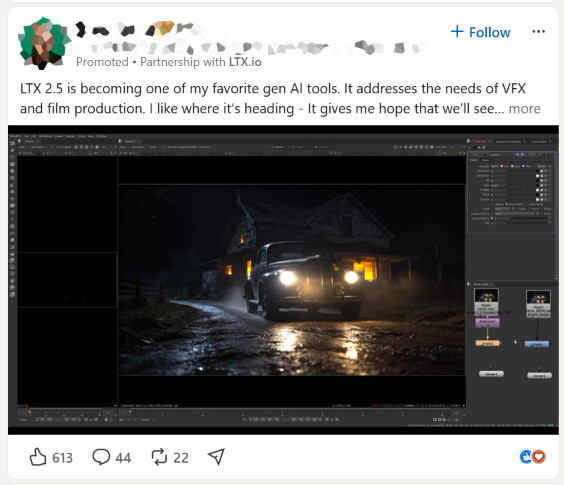
Not only is it a promoted post, but it also takes a shot at one of LinkedIn’s own problems. To me, that’s what makes it so frustrating. LinkedIn is allowing advertisers to use its own shortcomings as a selling point, all while pushing that content in front of its users. And there’s another part of this that bothers me. One of LinkedIn’s key audiences is people looking for work. These are people trying to find their next job, often under financial pressure, and here we have advertising that appears to take advantage of exactly that situation. Maybe that’s just good marketing from the advertiser’s perspective. But from where I’m sitting, it’s another example of how the feed has become less about helping professionals connect and more about selling them something.
Advertising, Spam, and the Constant Push for Premium
It seems like everywhere I turn on LinkedIn, there’s something trying to get my attention. Whether it’s a promoted post, a Premium offer, or a suggestion to connect with someone new, there’s always something pulling me away from what I came to the site to do. Even after cutting my connections down to a much smaller group, my feed is still full of promoted posts. Some are obvious, while others look like regular content until you take a closer look.

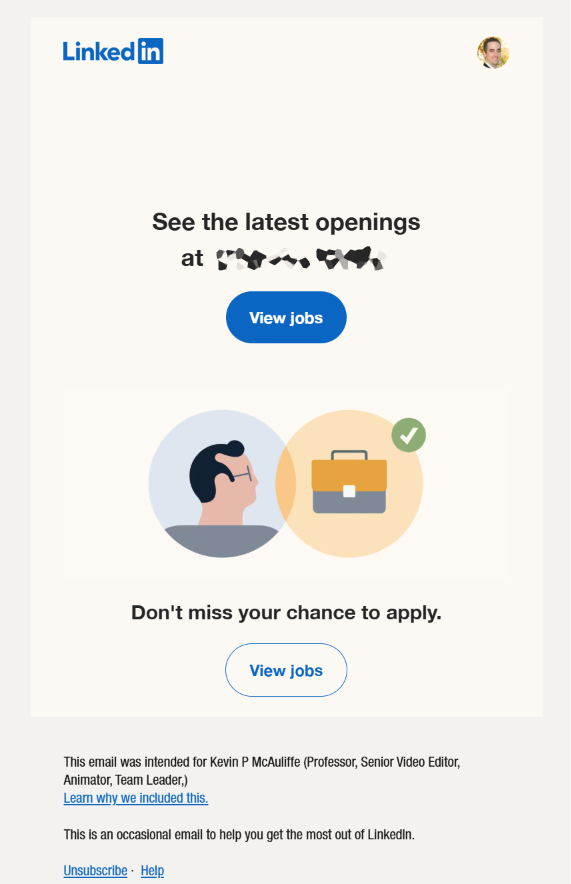
Then there are the emails. In fact, as I’m writing this, LinkedIn is sending me emails about jobs it thinks might be right for me. I know I can turn off email notifications, but that’s not really the point. Whether it’s a new follower, a possible job opportunity, or someone who’s looked at my profile, there’s always another reason to get me back on the site. Each notification feels like a little hook, designed to make me curious enough to click.

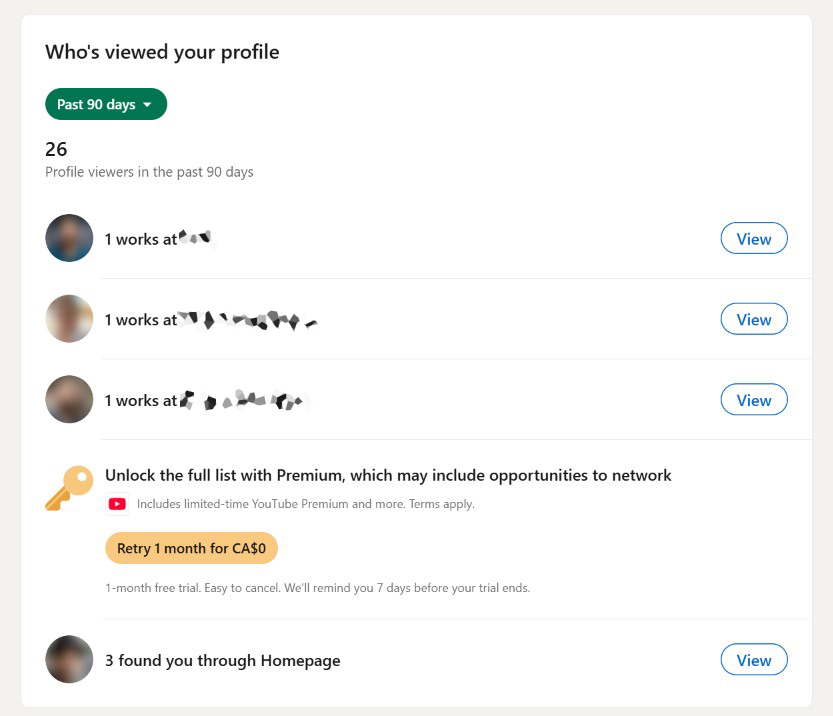
And then, as I had mentioned earlier in this article, there’s the profile views feature. You can see that people have been looking at your profile, but much of the information is blurred out. Want to see the full list? LinkedIn encourages you to try Premium, suggesting that unlocking those views “may include opportunities to network.” There’s even a free month to tempt you in.

And it’s not just LinkedIn itself that’s the problem. I’m also seeing ads on other social media sites that are basically making fun of the experience people are having trying to find a job through LinkedIn. The ad I’ve included here is a perfect example. It talks about applying for hundreds of jobs on LinkedIn, getting almost no responses, and wondering if your resume is even being seen by a real person. Then it offers an alternative, suggesting there are better ways to find a job than using LinkedIn.
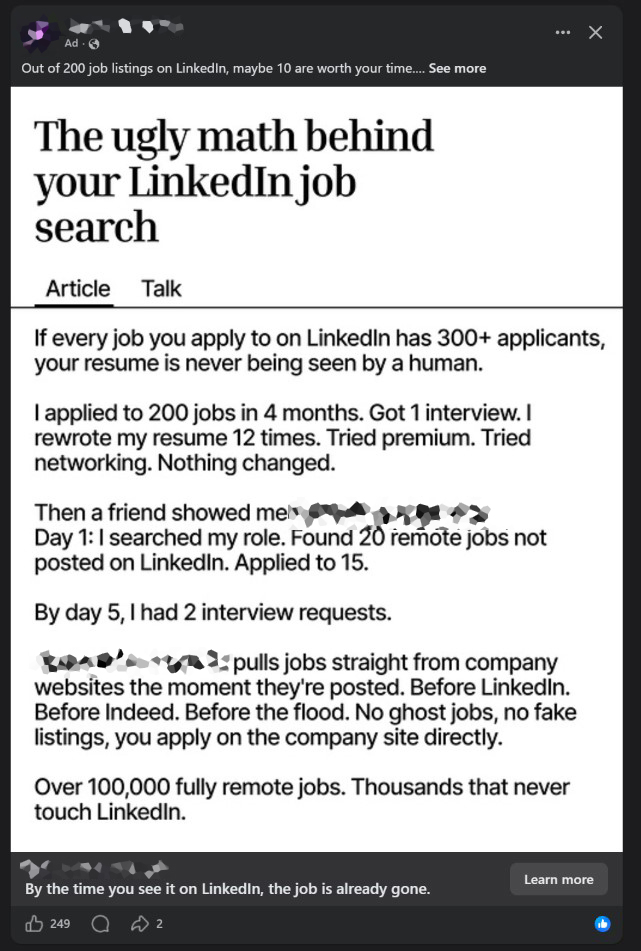

Think about that for a second. LinkedIn is supposed to be one of the main places people go to look for work, connect with employers, and find new opportunities. Yet other companies are now using people’s frustration with LinkedIn as a selling point for their own services. They’re basically saying, “Tired of trying to find a job on LinkedIn? Try this instead.” Of course, they’re trying to sell something too, but the message is pretty clear: people are frustrated enough with the LinkedIn job search experience that other companies see an opportunity to profit from it. And that says a lot about where LinkedIn is today.
Think about that wording for a second: “may include opportunities to network.” Who are these people? Potential employers? Clients? People who work in my industry? Or people I have nothing in common with? I’m being encouraged to pay to find out, without any guarantee that it’ll actually be useful. The same goes for the people LinkedIn recommends I follow. My feed is full of people I’ve never heard of, seemingly in the hope that I’ll follow them and grow my network. But more connections don’t automatically mean better connections. I’d rather connect with people in my industry, people whose work interests me, and people I might actually have a reason to talk to. Even the “Recommended for you” section misses the mark. I’d expect to see people I work with, colleagues in my industry, or people whose work is relevant to mine. Instead, I’m shown people based on my profile or people my connections happen to follow. Maybe there’s a connection there somewhere, but it doesn’t feel particularly useful when the people I’d actually like to connect with aren’t even being suggested. I know LinkedIn needs to make money, and I’m not against advertising, job alerts, or recommendations. But somewhere along the way, it feels like getting me to click, follow, subscribe, and come back has become just as important as making the platform useful.
And that’s the bigger problem I’ve been talking about from the beginning. LinkedIn used to be a place where I could keep up with my industry, connect with people I knew, discover new opportunities, and learn something new. Now, I feel like I have to wade through ads, notifications, Premium offers, and suggestions for people I’ve never heard of just to find the things I actually came for. I’m not looking to build the biggest network possible. I’m looking to build a useful one. I want to see what’s happening in my industry, hear from people I know, discover relevant opportunities, and make meaningful connections. Isn’t that what LinkedIn is supposed to be about?
What Happened to LinkedIn Learning?
I also want to talk about LinkedIn Learning, because it’s another example of something LinkedIn had going for it that seems to have gotten lost along the way. Remember Lynda.com? Before LinkedIn bought it in 2015, it was a great resource for learning new skills. As someone who works in video, audio, and graphics, I always saw the value in having access to that kind of training. It was a place where you could learn new software, improve your skills, and keep up with changes in the industry. These days, finding LinkedIn Learning on the main LinkedIn site feels like a bit of a treasure hunt. It almost seems like a completely separate website, and if you don’t know where to look, you might not even realize it’s there. You’d think a company with such a large training library would make it easy to find out what’s available and how to access it. Instead, it feels like another useful feature that’s been buried somewhere on the site. Then there’s library access. I used to be able to access Lynda.com through my local library, which was a great benefit. Recently, I tried entering my library card number on LinkedIn Learning, only to be told I didn’t have access. I had access when it was Lynda.com, so what changed? Maybe the library’s agreement has changed, or perhaps the process is different now. Either way, I couldn’t easily find a way to check which courses were available to me. And even if you can get access, there’s another issue: how up to date is the training? If you work in video, audio, or graphics, you know how quickly software changes. New versions come out, interfaces change, and features are added all the time. Yet a lot of the training I’ve come across feels out of date. It’s frustrating to start a course only to discover that the software you’re looking at doesn’t match what’s on your screen.

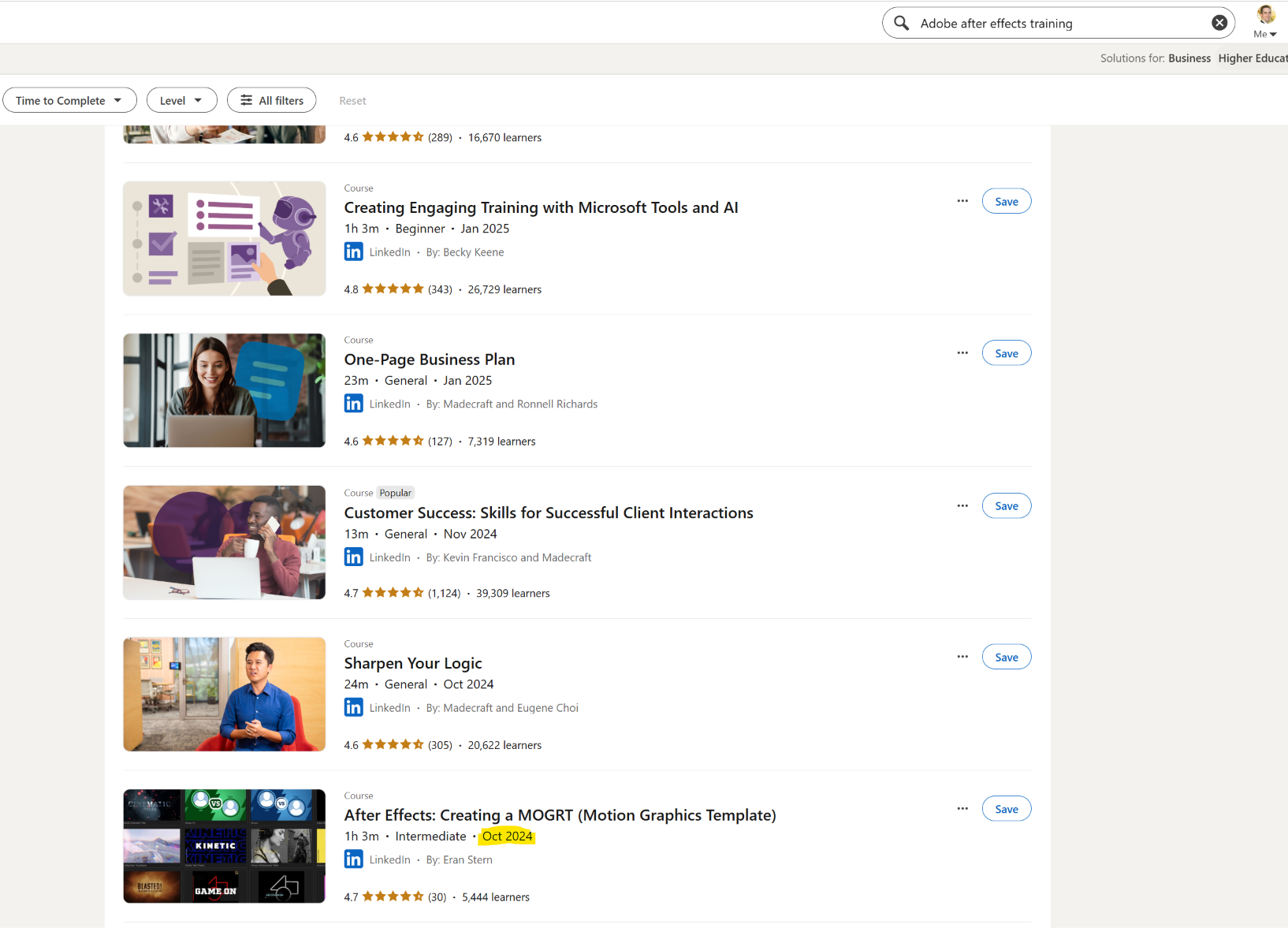
Of course, not every course needs to be updated every year. The basics of editing, sound, design, and animation don’t suddenly become useless just because a new version of the software comes out. But when you’re trying to learn a specific application or get up to speed with its latest features, outdated training isn’t much help.
And this brings me back to my bigger problem with LinkedIn. The platform already has things that could make it genuinely useful. Connecting with people in your industry, finding job opportunities, keeping up with industry news, and learning new skills are all good reasons to use it. But instead of making those things easier to find and use, I feel like I’m spending more time scrolling through random posts, dodging ads, being encouraged to upgrade to Premium, and getting suggestions for people I’ve never heard of. LinkedIn Learning is a good example of what I mean. Lynda.com was a resource I valued, and I would love to see that kind of experience made more accessible again. Instead, I’m left wondering where everything went, how I’m supposed to access it, and whether the training is still relevant. I know LinkedIn is a business, and I’m not expecting everything to be free. But there’s a difference between offering a service people are happy to pay for and making it difficult to find the things that made your platform useful in the first place. I shouldn’t have to dig through a mountain of noise and sales pitches to do those things. That’s what I miss about the old LinkedIn. It felt like a place built around helping professionals. These days, I’m not always sure that’s the priority anymore.
It’s Not All Bad…
To be fair, it’s not all bad. And I was reminded of that recently when I posted a simple question on LinkedIn: “Has anyone ever gotten a job off LinkedIn?” The response was interesting. People shared stories about getting full-time jobs after connecting with recruiters, finding freelance work through people they’d known for years, and even landing opportunities through cold messages from people they’d never met. Some had found work abroad, while others had turned a conversation into a job that lasted for years. Of course, not everyone had a success story. Some people said they’d found freelance work but not a full-time position, while others were still trying. But that’s exactly the point. LinkedIn can work. Real people are finding jobs, making connections, and getting opportunities through the platform. I’d never argue otherwise. In fact, these are the kinds of conversations I’d like to see more of. They’re relevant, they’re useful, and they come from people sharing real experiences with others in their industry. It’s a reminder of what makes a professional network valuable in the first place.
My problem isn’t with LinkedIn itself, or even with the idea of a professional social network. It’s what the platform has become around those useful connections. When I have to scroll past unrelated videos, promoted posts, endless recommendations, and Premium sales pitches to find something meaningful, I can’t help feeling that the important stuff is getting buried. That post reminded me that the value is still there. The people are there. The opportunities are there. I just wish LinkedIn made it easier to find them. If I still happen to be on Linkedin when you’re reading this, drop me a line and let me know how your experience has been – https://www.linkedin.com/in/kevin-p-mcauliffe/ .