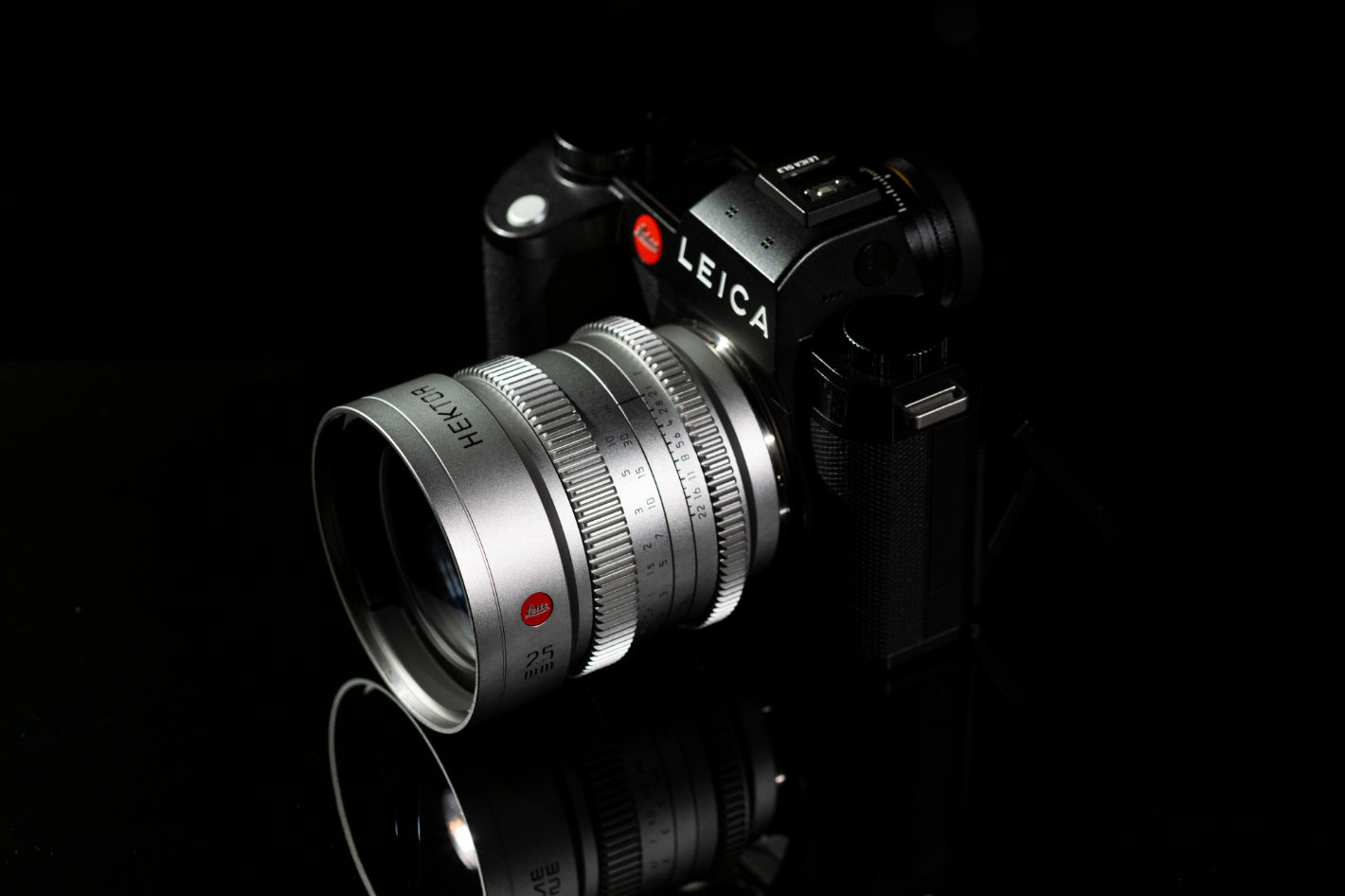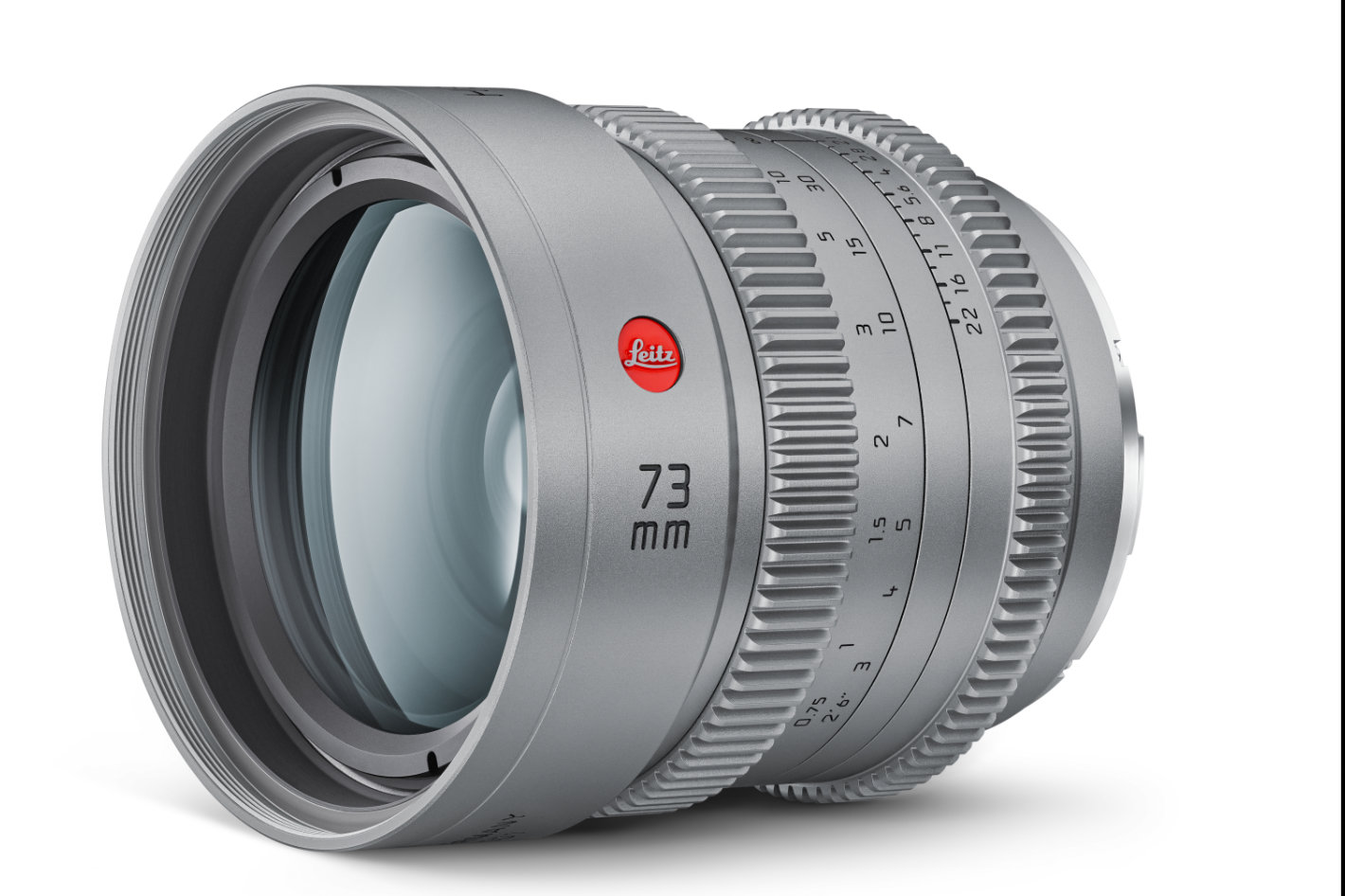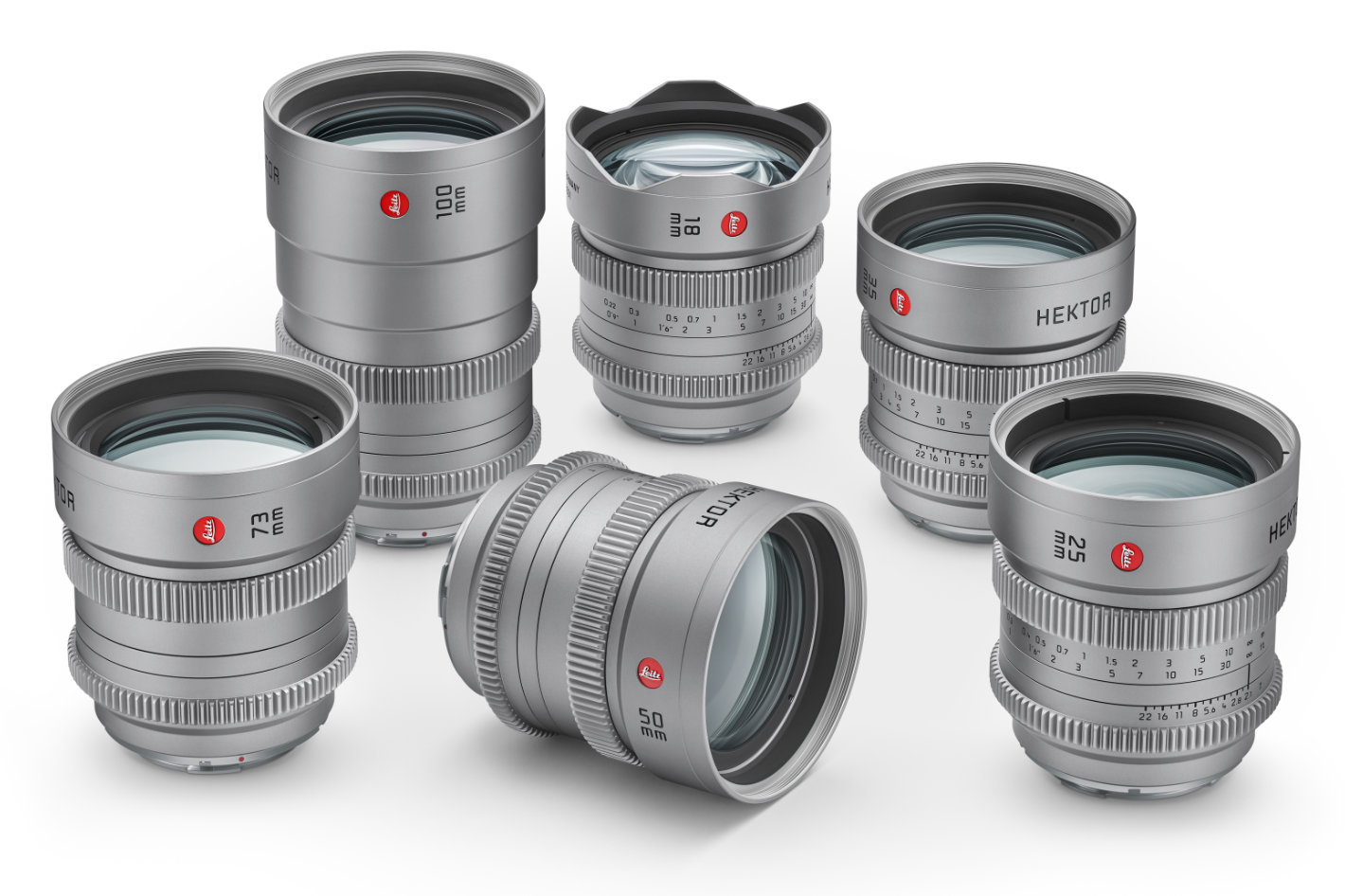

After recently expanding its Leitz HUGO cine lens family with a new lens, the 40mm T1.5 lens that expands the popular Leitz Cine Set, which now has a total of 14 lenses ranging from 18mm to 135mm., Leitz announces that the company is entering the mirrorless lens market with the Leitz HEKTOR lenses, a brand new set of prime lenses designed specifically for cameras using mirrorless mounts. The lenses come in six focal lengths: 18, 25, 35, 50, 73 and 100mm, all T2.1. The user interchangeable mount options include E, L, RF and Z mounts for maximum flexibility.

The Leitz HEKTOR lenses prioritize two things: image character and build quality. The look of HEKTOR has been curated by examining lenses from the past 100+ years of cinema and photography history. The look is inspired by classic M lenses from the 1930s and 1950s, as well as Petzval lenses, to combine pleasing characteristics like dynamic flare, field curvature and spherical aberration into something that is wholly unique while feeling familiar. By utilizing non-aspherical designs reminiscent of the 1980s/90s, these characteristics come into the lenses naturally. Modern touches include coatings that control veiling glare better than older lenses as well as significantly reduced chromatic aberration.

The Leitz Cine brand has always stood for a high standard of quality, and although these lenses were designed for less expensive camera systems than Leitz’s high-end glass, the same amount of care, consideration and attention to detail exists in the HEKTOR lenses. These lenses were designed in Germany and are manufactured and assembled in Germany by the same hands that build other Leitz lenses like SUMMILUX-C and HUGO. While more expensive than most mirrorless lenses, the Leitz HEKTOR series is built to last, to be easily serviced, and with available parts for a reliable, long-term investment.

The lenses are fully manual and feature an 80mm outer diameter. The 25-100mm lenses have a 77mm screw-in filter thread. Focus and iris ring locations match for quick lens changes with 120° and 49° rotations, respectively, making them easy to work with when operating and pulling focus. A nine-blade iris maintains a round shape through all stops for consistency in the out-of-focus areas.