



The announcement that FUJIFILM Corporation is investing 5 billion JPY (about $32 million) into its Ashigara Site at the Kanagawa Factory in Japan to reinforce production facilities for instax films is a clear indication that film, which some believed would go way as digital evolved, is back and, according to the company’s numbers, there is an increase in global demand that justifies the new investment in instax film, which is not the first.
In fact, to meet the growing global demand, FUJIFILM has been continuously investing in production facilities for instax film since 2022. Combining the investment of 2 billion yen announced in 2022, the 4.5 billion yen investment announced in 2023, and this latest investment, the cumulative investment instax film production facilities now totals around 11.5 billion yen. As a result, production capacity for instax film will, according to the company, increase by approx.50% compared to FY2022.
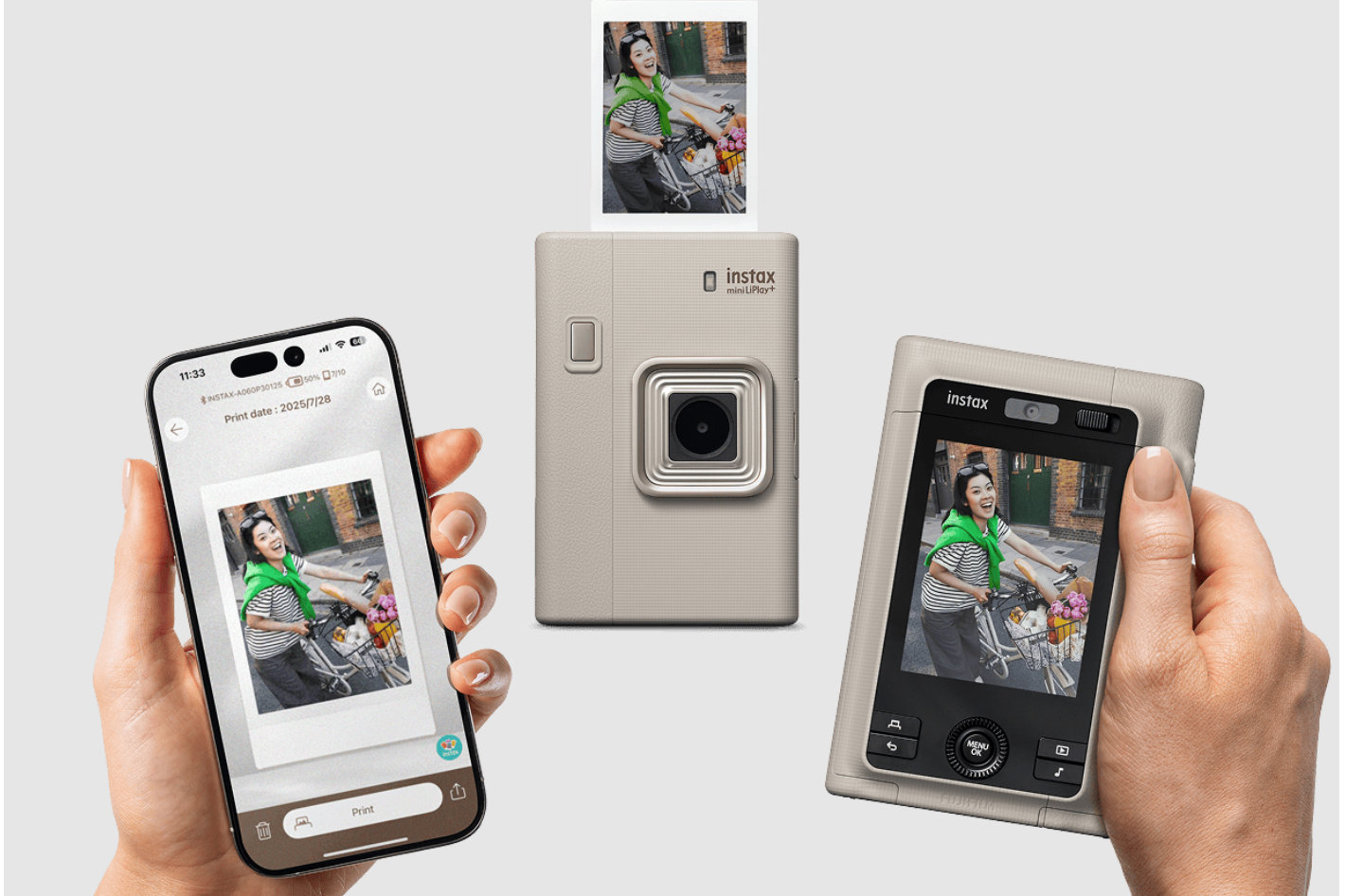
Since its launch in 1998, instax has continued to evolve through product development that incorporates the latest trends and technologies. It becomes a global brand available in more than 100 countries worldwide. The instax series has expanded its lineup from analog instant cameras to hybrid instant cameras, smartphone printers, and a palm-sized camera. Furthermore, with the introduction of the event application “instax Biz,” which enables shooting and printing with original design templates, the usage of instax products has extended to business applications.
The newly enhanced production facilities will begin operations in stages from spring 2026 and are expected to be fully operational by autumn 2026. When the new production lines go fully operational, instax films’ production capacity will increase by approx. 10% compared to FY2025.