Filmmaking research and production courses at ETC use Beeble
Jose Antunes
The integration of Beeble gives ETC students hands-on experience with AI workflows for visual effects, virtual production, and cinematic storytelling.
As a think tank center within the USC School of Cinematic Arts, ETC works with leading studios, technology companies, and filmmakers to evaluate new technologies and help shape future production practices. Now the institution announced that it integrated Beeble into filmmaking research and production courses.
Beeble has been adopted across multiple programs, including Introduction to Special Effects in Cinema, led by Habib Zargarpour; Directing with AI, led by Fred Grinstein; and experimental filmmaking initiatives within USC’s Media Arts + Practice program, including Amazon-funded research and PhD projects.
Visual effects workflows continue to evolve, and it’s important that students understand both established production techniques and the emerging technologies shaping the industry. Integrating tools like Beeble into the classroom gives them valuable practical experience,” said Erik Weaver, Principal, AI and Emergent Media at ETC.
“One of the most exciting outcomes has been seeing students pursue ideas that would previously have been beyond the scope of a class project,” said Tom Thudiyanplackal, Producer and Industry Mentor at ETC. “They could dream about creating visual effects at this scale, but they rarely had the opportunity to make them. Giving students access to these tools opens entirely new creative possibilities.”
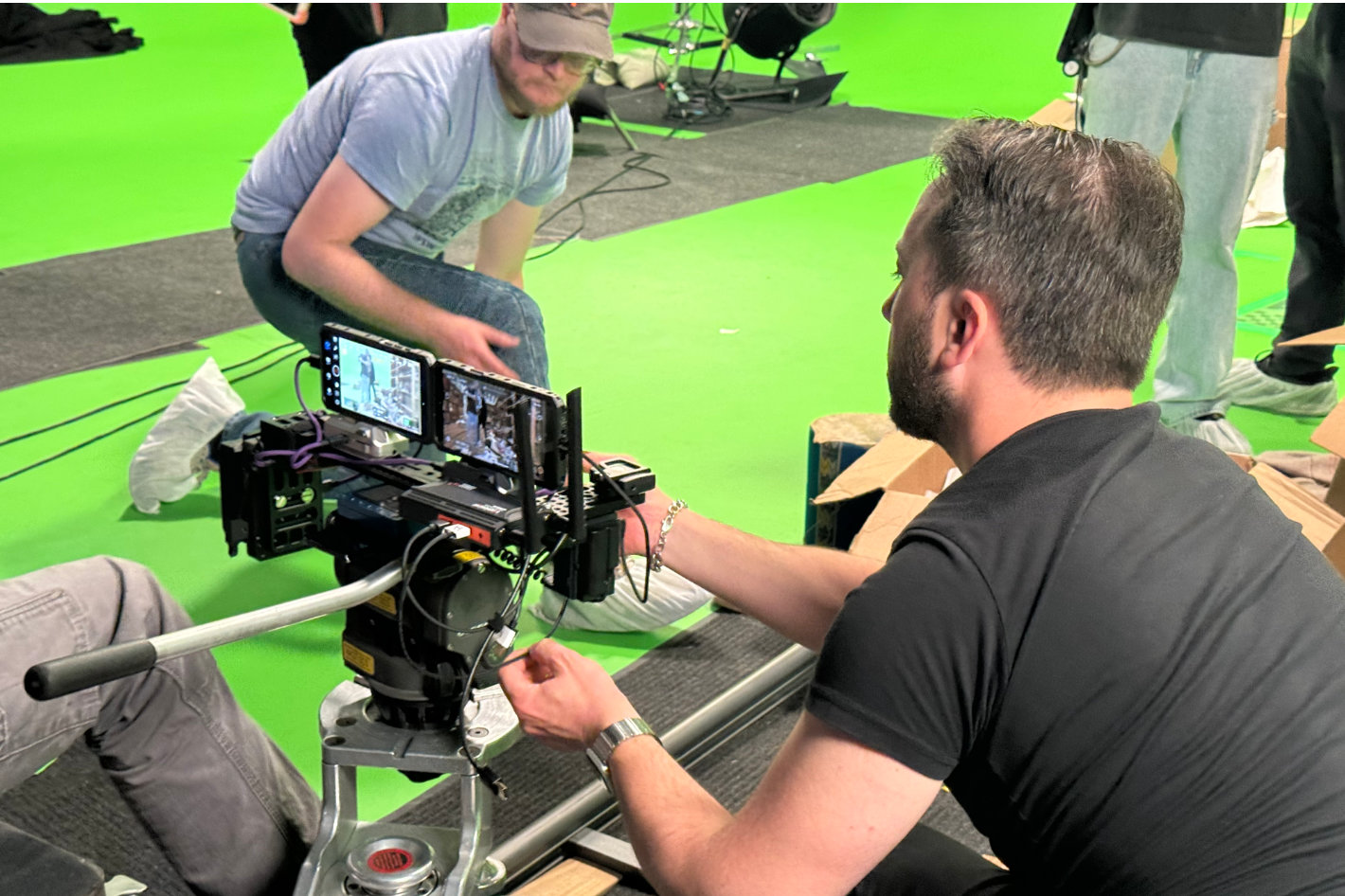
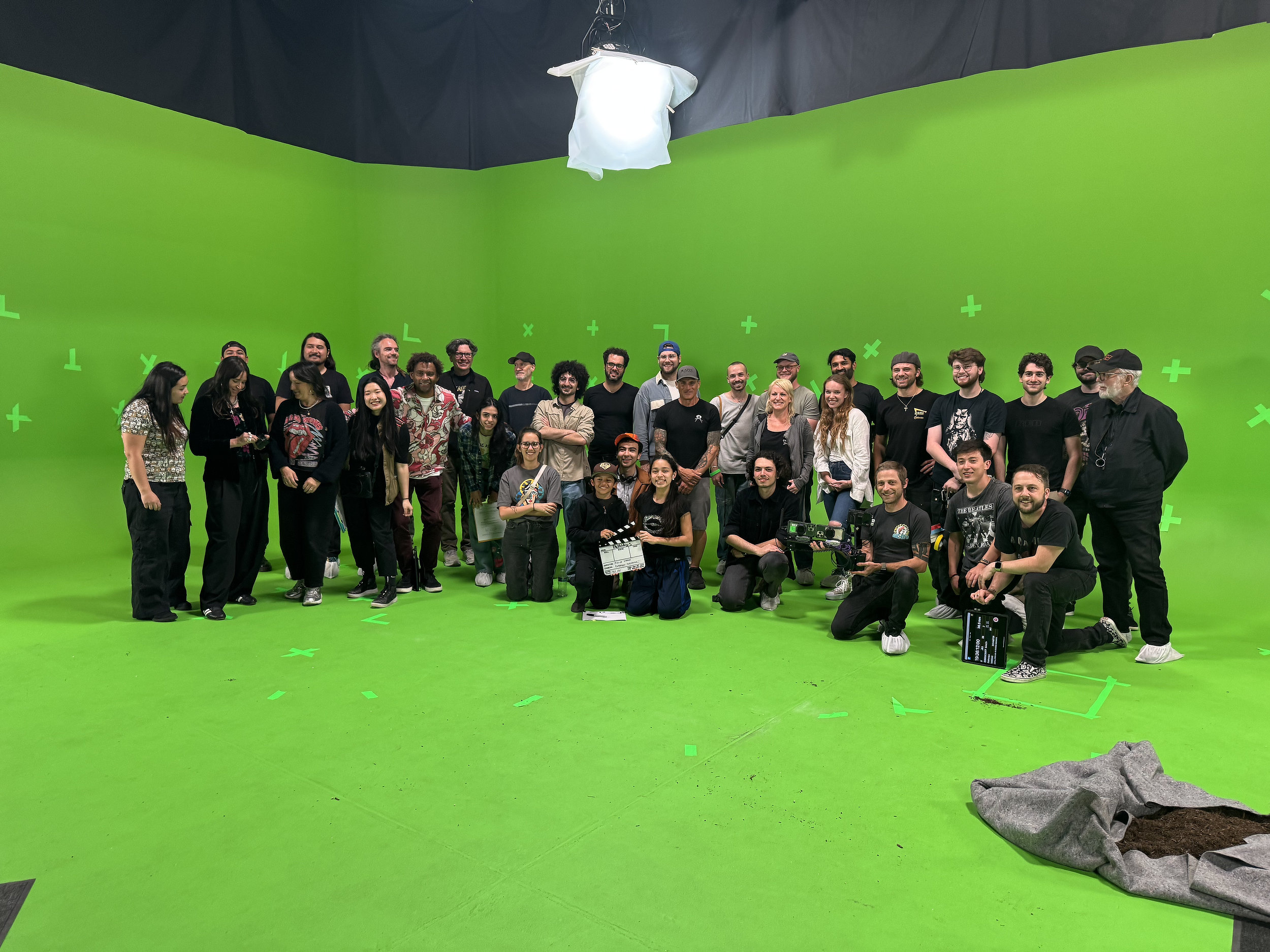
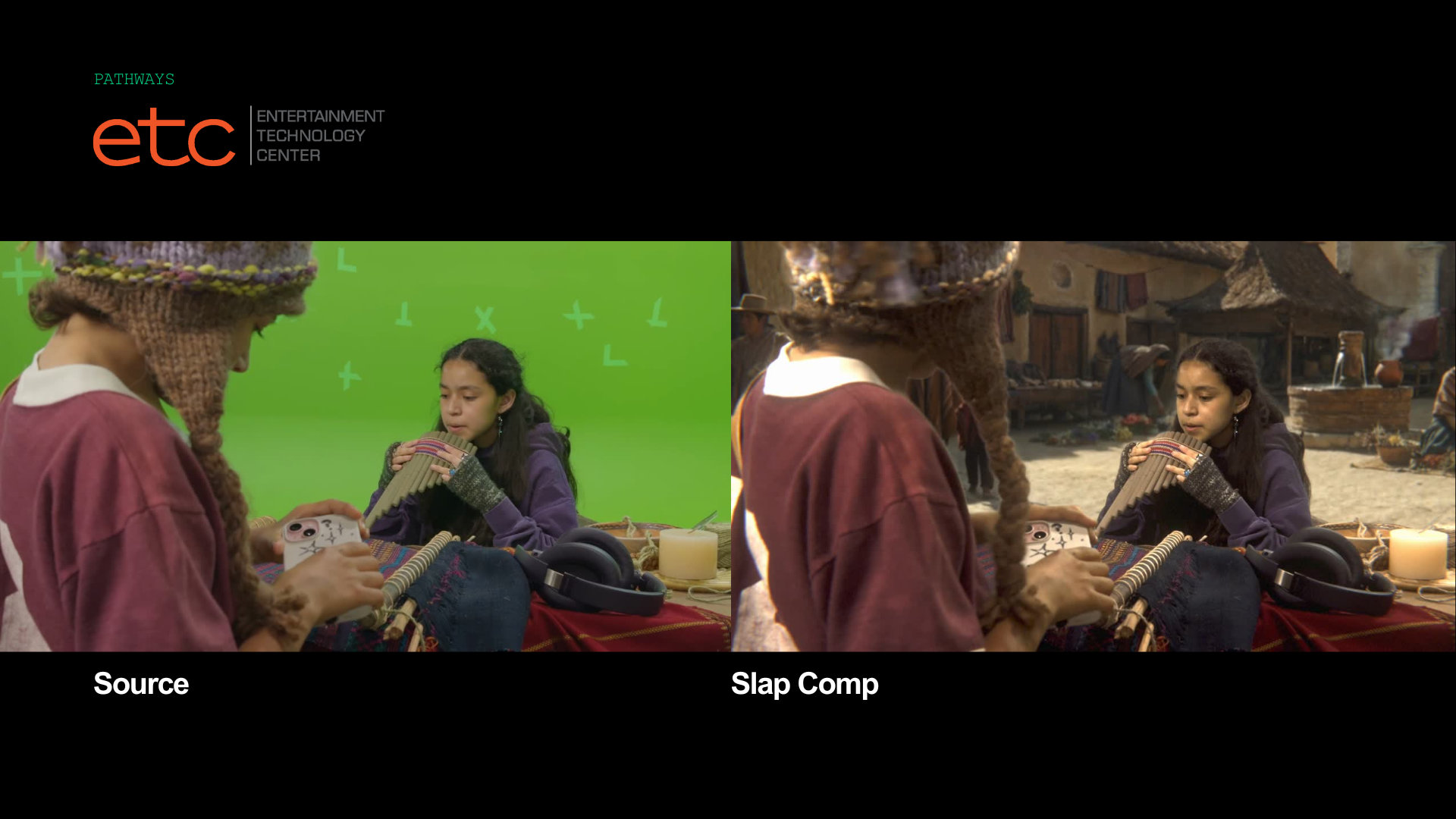
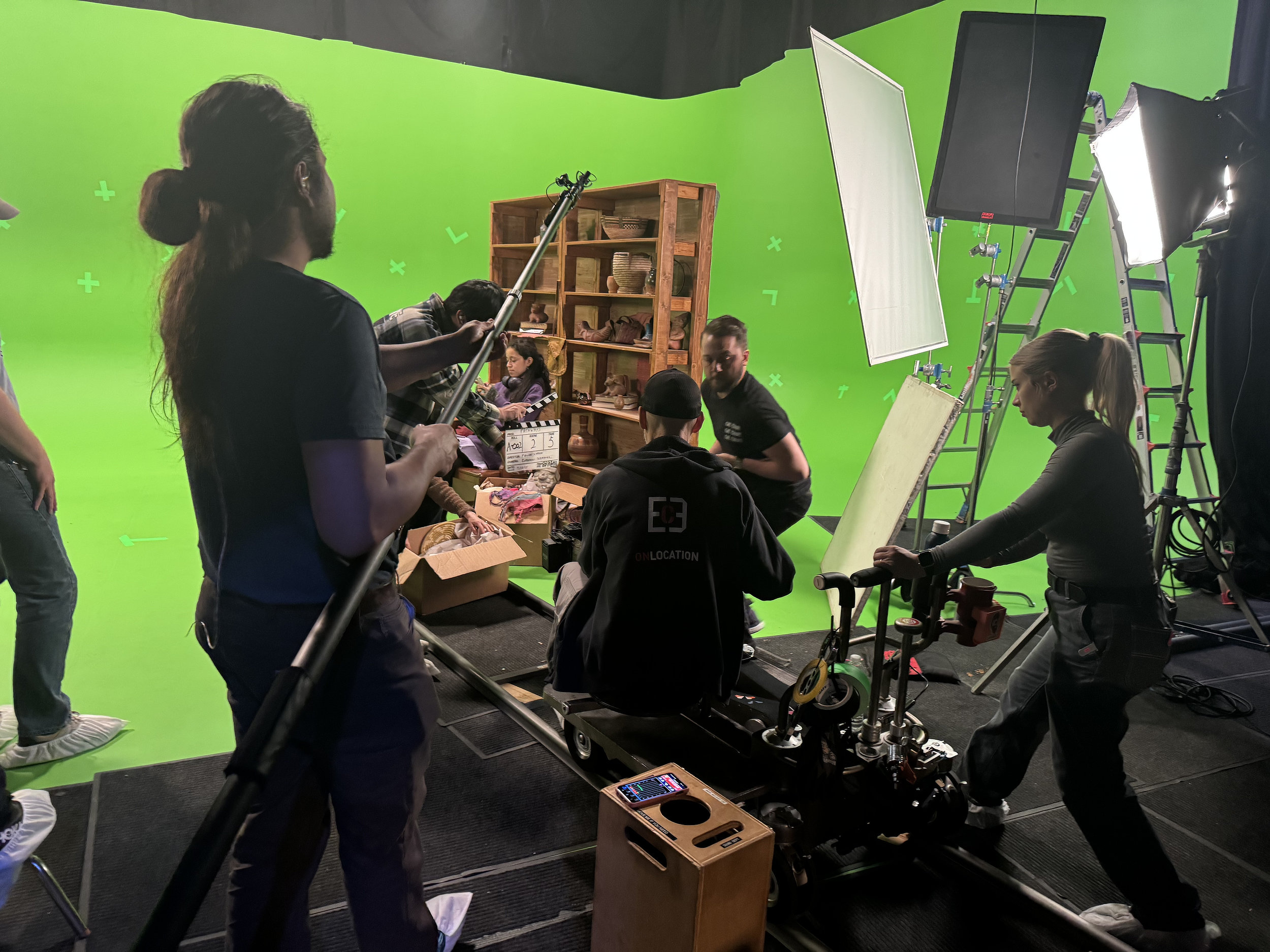
The collaboration also extends beyond the classroom into production research. One example is Pathways, written and directed by Felipe Vargas with cinematography by Roberto Schaefer, which explores new approaches to virtual production, cinematography, and AI-assisted world-building.
“ETC plays an important role in bringing together educators, filmmakers and industry to evaluate emerging technologies,” said Hoon Kim, CEO of Beeble. “Seeing our tools used in that environment, and helping inform how future production workflows evolve, is incredibly rewarding.”